
Washington — May 6, 2026, 07:16 EDT.
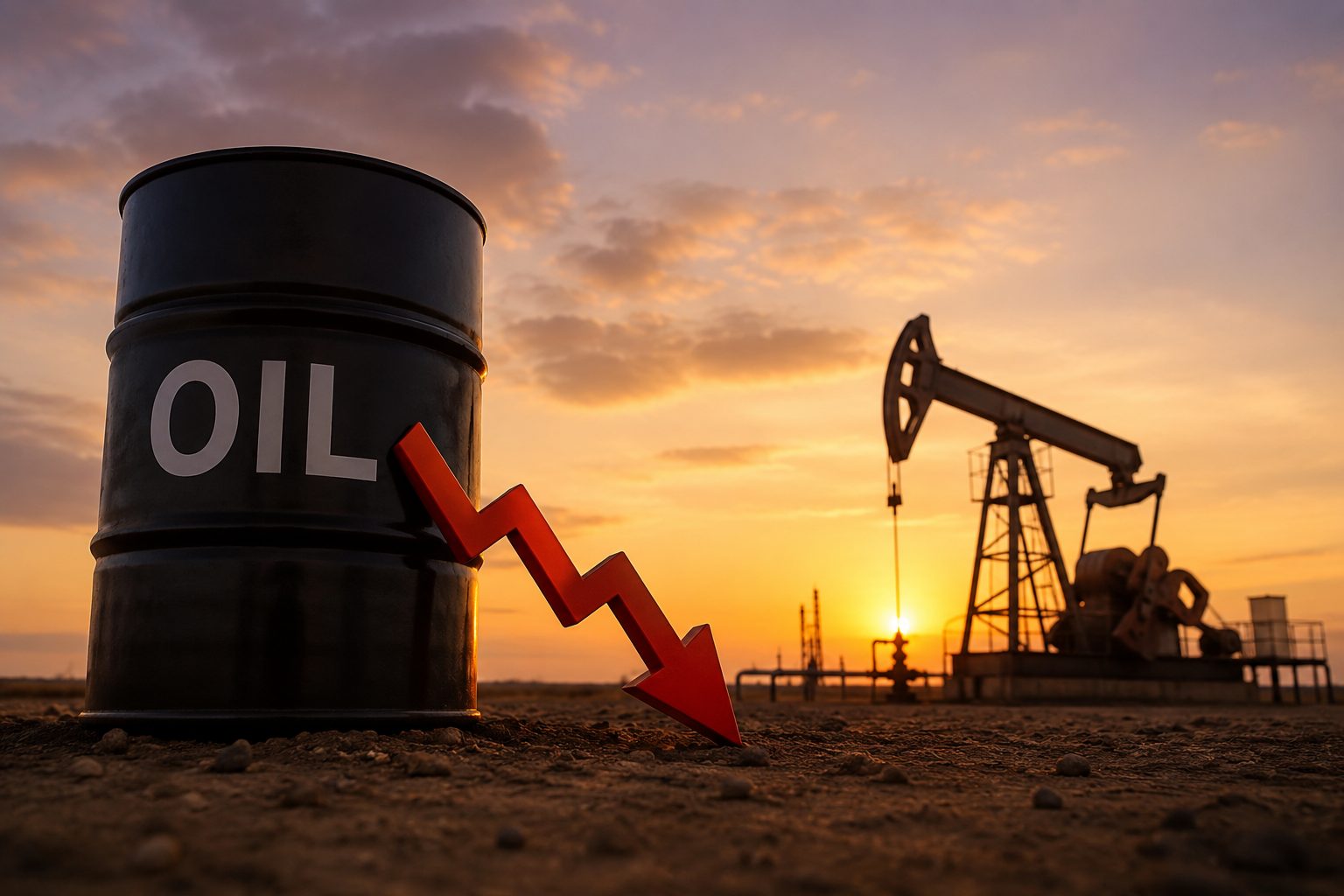
Brent crude sank under the $100 mark Wednesday, down roughly 9% to $99.79 a barrel as tracked by The Guardian, after President Donald Trump hit pause on the U.S. “Project Freedom” push in the Strait of Hormuz. Fresh headlines pointing to progress on a potential U.S.-Iran framework deal nudged expectations that the conflict’s trajectory might be changing. The Guardian
This isn’t just any maritime corridor. According to the International Energy Agency, roughly 20 million barrels per day of crude and oil products crossed the Strait of Hormuz in 2025—about a quarter of all oil traded by sea. Alternatives are thin, with pipelines offering only limited relief.
Fast action across markets: Europe’s STOXX 600 jumped 2.1%, MSCI’s all-country index notched a new record, and S&P 500 futures tacked on 0.7%. The dollar slipped as traders dialed back the risk premium tied to energy and inflation. “Equity investors were jumping on positive-sounding news from the Gulf,” said Chris Turner, ING’s head of global markets. Reuters
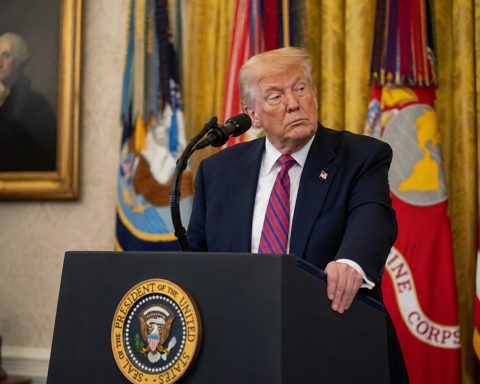
Trump announced he’s putting the brakes on Project Freedom—the U.S. push to escort ships out of Hormuz—though he’s sticking with the blockade for ships departing Iranian ports. Secretary of State Marco Rubio said the U.S. has wrapped up the offensive phase of “Operation Epic Fury,” but made it clear that any U.S. moves in the strait are now defensive: “There’s no shooting unless we’re shot at first.” The Guardian
Reuters, citing Axios, says negotiators are weighing a one-page, 14-point memorandum of understanding. On the table: an Iranian pause on nuclear enrichment—raising fissile uranium levels for reactors or, at higher grades, weapons—paired with U.S. sanctions relief, unfreezing Iranian assets, and a 30-day window for further talks. No deal yet. Washington wants Iran’s answers on several items within 48 hours, according to the report.
Diplomatic activity ran through Beijing, too. Iranian Foreign Minister Abbas Araghchi sat down with his Chinese counterpart, Wang Yi, who pressed for a comprehensive ceasefire, calling it urgent after over two months of fighting. With its deep connections to Tehran, China holds leverage just as Washington tries to push Iran to ease its hold on the strait.
Risks for shippers persist. CMA CGM reported that its San Antonio container vessel came under attack while moving through the Strait of Hormuz on Tuesday, leaving crew injured and the ship damaged. The French shipper—currently the world’s third-largest container line—noted that 14 of its vessels were stuck in the Gulf when the war began.
The slide in oil prices was underway even before Brent dipped below the $100 mark. As of 0856 GMT, Brent had dropped $6.70, or 6.1%, to $103.17, according to Reuters. U.S. West Texas Intermediate slid $6.77, or 6.6%, hitting $95.50. Both benchmarks were staring down their steepest single-day losses since mid-April.
But pressing pause falls short of a full reopening. Chevron CEO Mike Wirth sounded the alarm this week: if the Hormuz shutdown drags on, he said, physical shortages will start cropping up—surplus inventories, shadow-fleet tankers, and even strategic reserves are already being tapped. “Demand needs to move to meet supply,” Wirth said. “Economies are going to have to slow.” Reuters
UN Trade and Development is sounding the alarm beyond just oil exposure. The agency points out that disruptions in the strait threaten to push up costs across energy, fertilizer, freight, and insurance—knock-on effects that could ripple into food prices. For developing economies already struggling with tight budgets, that’s more pressure.
Traders are jumping at even a hint of progress. The bigger challenge remains: converting a reported draft into an actual deal, restarting ship traffic, and pulling it off without triggering more fire across the world’s most-watched oil chokepoint.