
ROME, May 9, 2026, 17:10 CEST
- Jannik Sinner kept the boycott chatter going ahead of the French Open, saying Grand Slam organisers aren’t showing players enough respect.
- Players argue that Roland Garros prize money is expected to remain under 15% of the event’s revenue—well beneath the 22% share they’re pushing for.
- Demands over revenue share, player welfare, and consultation have put the spotlight on Wimbledon and the U.S. Open to respond.
Tensions around Grand Slam prize money are escalating, with men’s world No. 1 Jannik Sinner arguing top players aren’t getting the respect they deserve. Sinner’s comments add momentum to boycott talk that’s been swirling since women’s No. 1 Aryna Sabalenka floated the idea, saying a boycott might be the only option left to “fight for our rights.” Reuters
Timing is crucial here. With Roland Garros looming later this month, a behind-the-scenes dispute has spilled out into the open in Rome. At the Italian Open, the controversy moved from private exchanges and written statements to public comments from Sinner, Sabalenka, Coco Gauff, Iga Swiatek, and Novak Djokovic, each weighing in over the past few days.
Roland Garros is bumping its 2026 prize fund by 9.53%, bringing the total to 61.723 million euros. Qualifying players will see the biggest jump—up 12.9%. Main draw singles money climbs 10.1%. For wheelchair and quad athletes, the pot now stands at 1.02 million euros.
The players argue the headline increase misses the real issue. According to their statement, their portion of Roland Garros revenue slipped from 15.5% in 2024 down to an expected 14.9% by 2026, even as they’ve pushed for a 22% share—a number they claim is in line with what’s seen at joint ATP and WTA 1000 events.
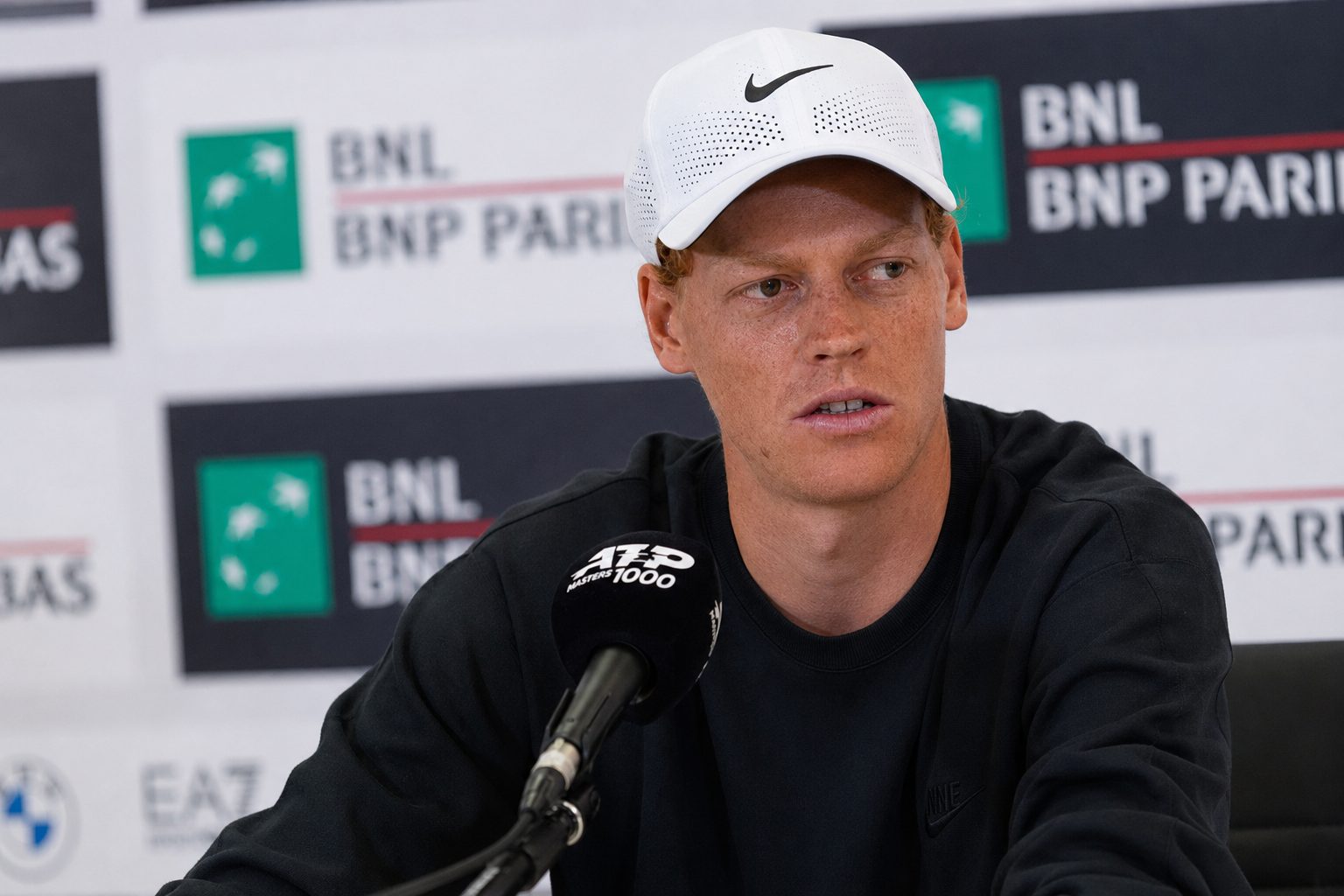
“It’s more about respect,” Sinner told reporters in Rome. “Of course we talk about money. The most important is respect, and we just don’t feel it.” According to Sinner, the top 10 men and top 10 women reached out to the Grand Slams a year ago. Still, he said, they’re “not even close” to getting the result they hoped for. BBC
Sabalenka didn’t mince words: “I think at some point we will boycott it,” she told reporters this week. Her point is simple—players are the show, and they want a bigger slice of the revenue. Gauff indicated she’d be on board if everyone sticks together. Swiatek, on the other hand, labeled a boycott “a bit extreme,” insisting proper negotiations with the governing bodies should come first. The Guardian
Djokovic, who helped launch the Professional Tennis Players Association but walked away from it this year, said he isn’t involved in the current player protest—though he backs the push for more player power. He singled out Sabalenka for “true leadership,” and argued tennis still lacks the cohesion it needs to address issues across its splintered landscape. Sky Sports
Players aren’t just pushing for higher prize money. According to Sky Sports, they also want stronger representation, better health coverage, improved pension plans, and more say over issues like scheduling, late-night matches, and the ongoing expansion of tournaments. Sinner, Sabalenka, Carlos Alcaraz, Gauff, Swiatek, Jessica Pegula, Alexander Zverev, Daniil Medvedev—those are just some of the names on the list of signatories.
The PTPA, a group representing players, argued the dispute highlights just how much tennis needs real reform. “There are deep structural changes desperately needed in tennis,” the group told Reuters, asserting that players should get a fair share of the revenues they generate. Reuters
There’s movement among the other majors, too. The U.S. Open boosted its prize pot by 20% last year. In January, the Australian Open hiked payouts almost 16%. Wimbledon hasn’t revealed its 2026 numbers yet. As for expectations, Sinner said players wanted Wimbledon’s figure to be “better”, and all eyes now turn to the U.S. Open. BBC
Still, whether a boycott really happens is up in the air. BBC tennis correspondent Russell Fuller pointed out it looks unlikely for now—some players might break ranks for a chance at prize money or a strong tournament result, while the richest stars could find it hard to get the public on their side, even if their case for a bigger revenue share holds water.
The French Tennis Federation is sticking by its model. In comments shared with Tennis Majors, officials pointed out Roland Garros is operated by a non-profit, with all revenue funneled back into the tournament and tennis development efforts. They highlighted more than 400 million euros recently spent on infrastructure. The federation added it’s willing to talk directly with stakeholders.
Now it’s up to Grand Slam officials: Will they agree to talks ahead of Paris? If not, what started out as a battle over percentages may quickly shift, putting player unity—and the resolve of the sport’s top names—on the line.