
London, May 11, 2026, 09:17 BST
- Las Iguanas’ restructuring plan cleared the High Court and now heads for a creditor vote slated for May 28.
- The plan targets roughly £37 million in loan-note debt and aims to slash lease expenses across the chain’s 44 reported sites.
- Big Table Group says its restaurants are still operating, but warns that without approval, the business may be forced into administration.
Las Iguanas’ parent company secured High Court sign-off to present a restructuring proposal to creditors, setting up a crucial vote later this month. The UK-based Latin American restaurant chain’s fate now hinges on that outcome and a court sanction hearing eyed for early June.
This plan takes on urgency, aiming to prevent Iguanas Holdings—the Big Table Group arm responsible for the leases—from slipping into administration. In the UK, administration hands a struggling company to a court-appointed practitioner, seeking a turnaround, possible sale, or at least improved returns for creditors.
The plan calls for wiping out or reducing about £37 million in loan-note debt, plus hammering out new lease deals on what’s said to be 44 sites around the UK. Creditors are scheduled to vote May 28; if three-quarters approve, a court hearing follows on June 5.
Big Table Group wants to put £3 million into the brand and overhaul the leasehold part of its business. The company has rejected suggestions of an impending collapse, insisting it’s concentrating on backing its teams and making sure sites stay open.
The plan targets Las Iguanas Holdings, the unit responsible for the brand’s property leases, according to Restaurant. Staff and supplier contracts remain with the parent, Big Table Group. This separation is key: the court process focuses on property and debt, not halting trading for workers or suppliers.
Alan Morgan, CEO of Big Table, called the court application “a proactive move” to protect the brand, Business Sale reported. The company maintained it wasn’t anticipating major site closures as part of the restructuring, but Restaurant noted a handful may still be on the table. Business Sale Report
The danger hasn’t disappeared. Nick Stockley, partner at Mayo Wynne Baxter, told The Caterer the process hands Las Iguanas another shot at staying open. But he cautioned, approval could “simply delay its eventual demise.” The Caterer
Las Iguanas logged a £3.4 million pre-tax loss for the year ended Oct. 27, 2024, attributing the hit to softer demand from younger customers and a dip in alcohol sales at its drink-focused casual dining spots. Despite that, the chain said bottomless brunches and big group celebrations continued to draw crowds on key dates and weekends, though off-peak business patterns had changed.
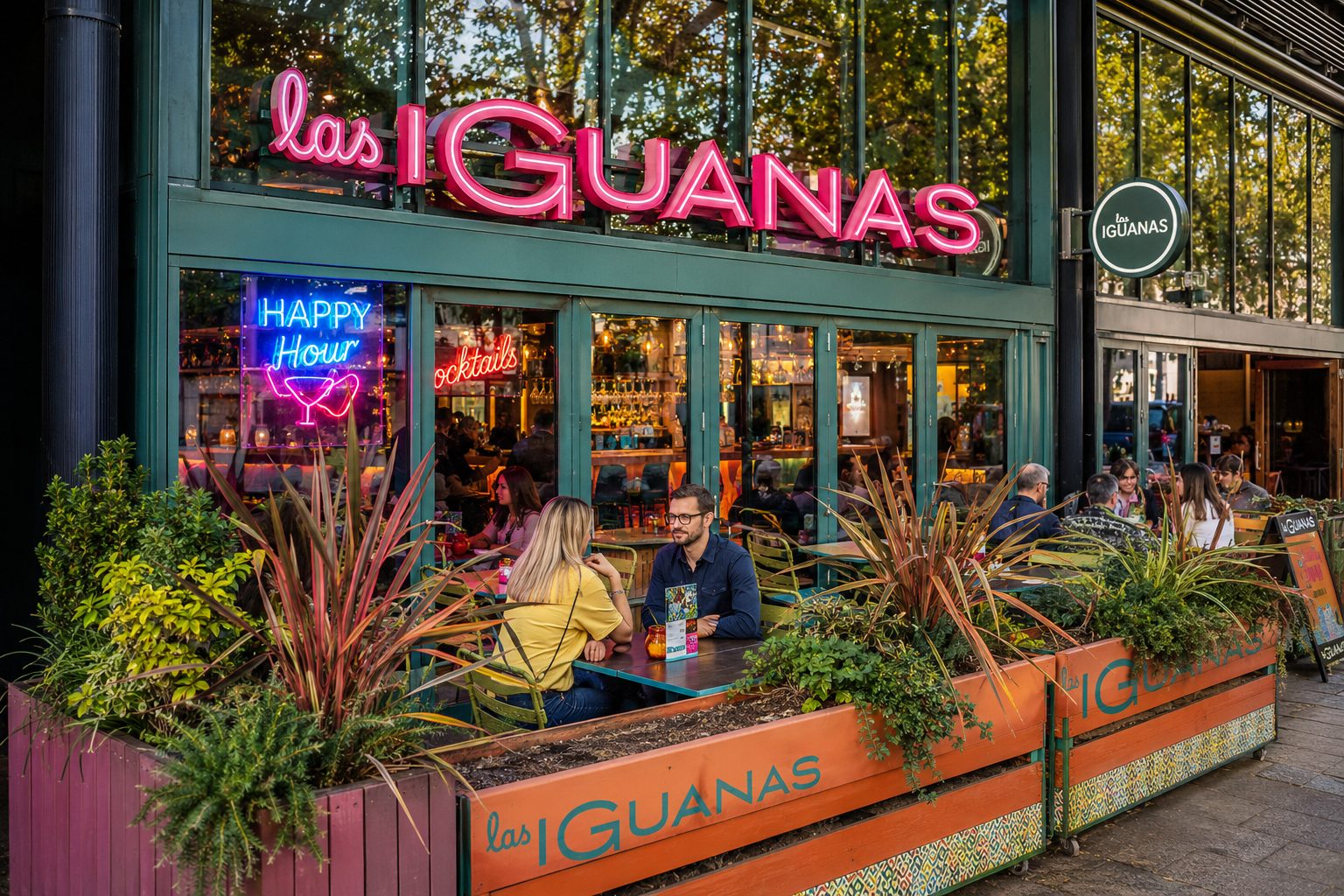
Founded in Bristol back in 1991, the chain offers up Mexican and South American-inspired dishes and cocktails. According to its website, Las Iguanas has locations in several big cities—think Birmingham, Cardiff, London, Manchester, York—and operates as part of Big Table Group.
Big Table runs a larger roster—Bella Italia, Banana Tree, and Frankie & Benny’s come under its umbrella, stacking more heft behind the brand than just Las Iguanas. For the year ended Oct. 27, 2024, the group reported EBITDA of £13.9 million, according to the company.
Rent is another big factor. Kristine Ng, partner at Morr & Co, points out that plenty of restaurant leases were signed during better trading periods, locking in “fixed rent levels” that are now a bad fit for falling footfall and rising costs. Business Sale Report
Restaurant insolvencies in the UK have climbed for a number of years now, pressured by mounting wage bills, pricier food, rising energy costs and heavier debt—expenses operators can’t always shift onto customers. “Many restaurants were struggling to keep their heads above water,” Paul Maloney, associate director at Mazars, told City AM. City AM
Mark May 28—creditors have until then to signal support. Should they approve the plan and the court signs off on June 5, Las Iguanas secures a shot to renegotiate its rents and restructure debt. A rejection, though, leaves the company warning it could run out of cash to keep going, raising the specter of administration once more.