
Rome, May 14, 2026, 16:31 (CEST)
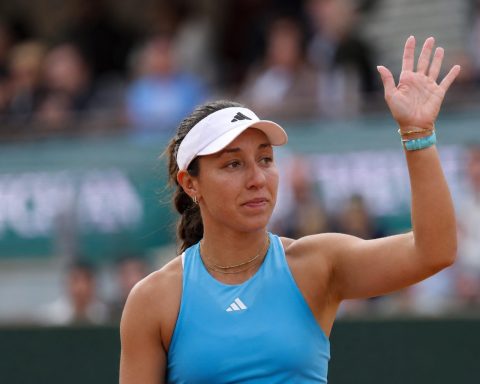
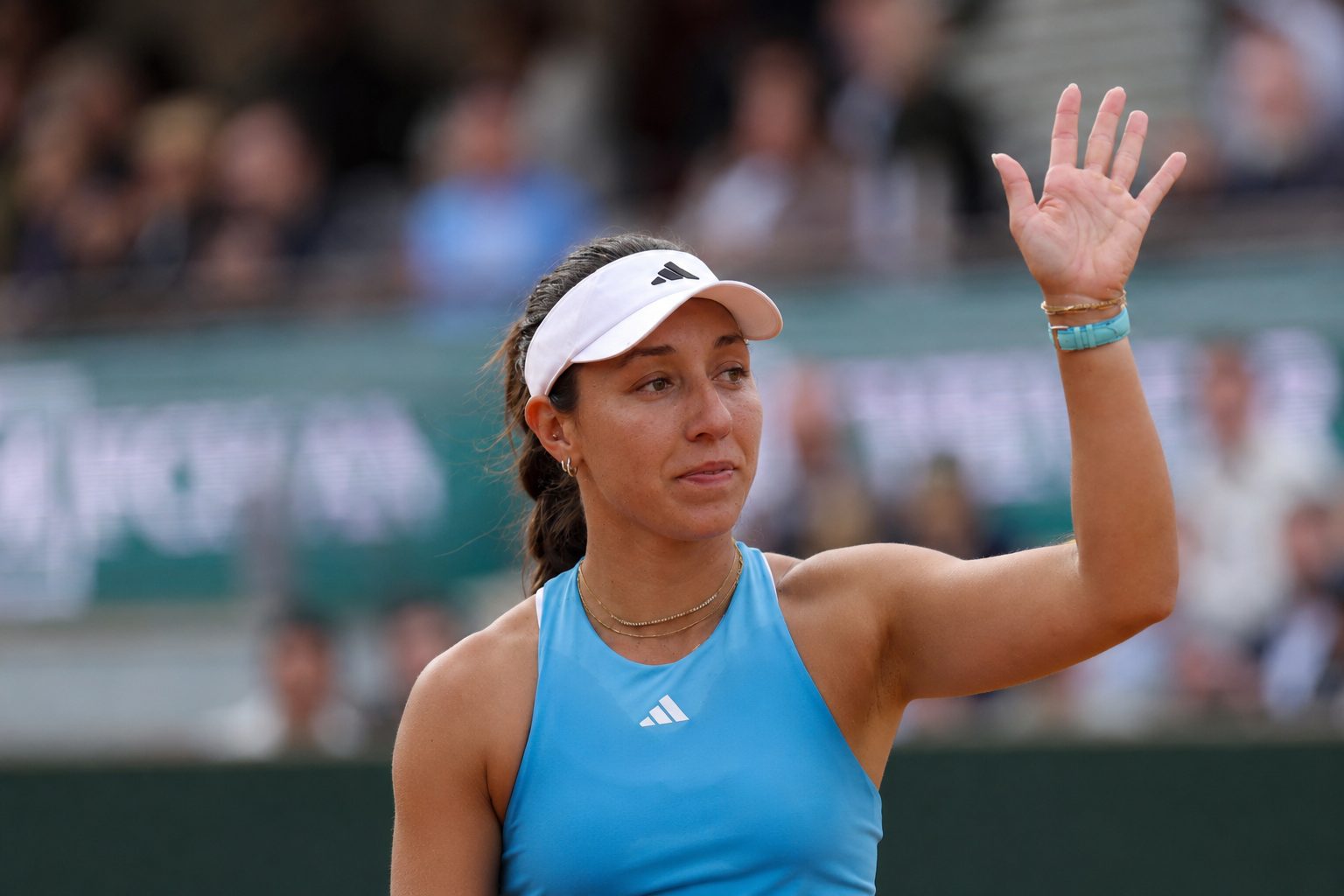
Jessica Pegula is now the quiet force rallying top tennis pros in their drive for a larger cut of Grand Slam earnings, pulling an old pay dispute into sharper focus with the French Open main draw looming on May 24. At issue: revenue share—the slice of tournament proceeds that gets handed back to players in prize money and perks.
Roland-Garros has bumped total prize money to 61.723 million euros this year, marking a 9.53% jump, but players say their share of the tournament’s take is still too thin. Organizers pointed out qualifying payouts jumped 12.9%, main-draw prize money climbed 10.1%, and singles players in the early rounds are seeing increases ranging from 11.11% to 11.54%.
Players argue their cut of French Open revenue dropped from 15.5% in 2024 to a projected 14.9% by 2026, still well below the 22% share they’re pushing for—on par with combined ATP and WTA 1000-level tournaments. They point to Roland-Garros revenue, which hit 395 million euros in 2025 and should top 400 million euros this year.
No. 5-ranked Pegula stands out in tennis labor circles—her family owns the NFL’s Buffalo Bills and the NHL’s Buffalo Sabres, sports where athletes take home about half the revenue. She’s been talking with players across both tours, saying they have “the big voices” as a group. AP News
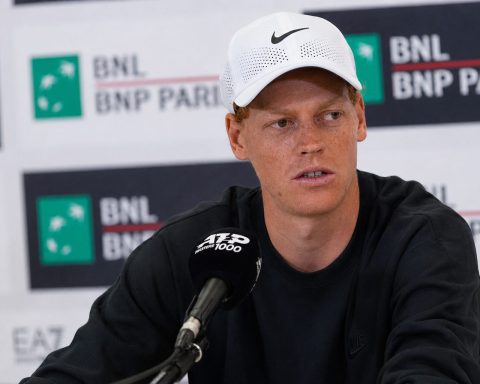
Pressure at the highest levels of the sport is mounting. Jannik Sinner told reporters the dispute is “not only for the top players” and added, “The most important is respect.” Aryna Sabalenka, meanwhile, has floated the idea of a boycott as potentially the “only way” to push the point. Reuters
Roland-Garros says its prize money increases are aimed at supporting players lower down the rankings—the ones hit hardest by expenses like travel, coaching, and medical bills. Tournament director Amélie Mauresmo pointed to a push for “best possible conditions” for competitors, highlighting expanded recovery areas and fresh player services. Roland-Garros
Paris doesn’t have much room to brag. According to Reuters, the Australian Open handed out A$111.5 million back in January. The U.S. Open? $90 million. Wimbledon’s 2025 prize pool will hit 53.5 million pounds. Even with the announced bump for 2026, the French Open is still trailing its Grand Slam peers, the Professional Tennis Players Association says.
Rome is upping its game. Angelo Binaghi, who heads the Italian Tennis and Padel Federation, threw his weight behind the players, voicing “full support” as his tournament pushes for a spot just beneath the majors. He took a swipe at the four Grand Slams, saying they pay out a smaller share to players than ATP and WTA tournaments do. AP News
Still, sitting out a major isn’t an easy move. The Grand Slams carry heavyweight status—tradition, rankings, big crowds, and usually the fattest prize money. Sports Illustrated’s Jon Wertheim cautioned players about overestimating their power, writing, “Don’t bluff a boycott unless you mean it.” SI
This all began before Rome. Last year, 20 top names—Novak Djokovic, Sinner, Sabalenka, Coco Gauff, Pegula among them—signed a letter to the four majors, demanding higher prize money, bigger investments in player welfare, and more say over competition and health matters.
Organizers at the French Open hadn’t replied to fresh criticism from players, AP reported. Wimbledon will reveal its prize money next month. Pegula said players would “continue to talk amongst ourselves” as they wait for the Slams to respond. AP News
At this point, it’s only pressure—not an actual strike notice. What comes next? The real test will be if tennis players, often divided by rank, tour, and ambition, can translate a protest from the top 10 into a unified bargaining force ahead of the clay swing in Paris and the sport’s next major.