
DUBAI, May 14, 2026, 21:05 (GST)
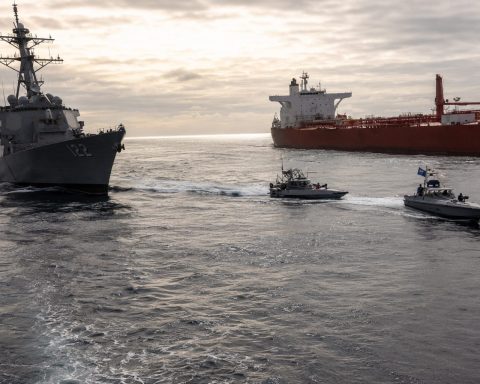
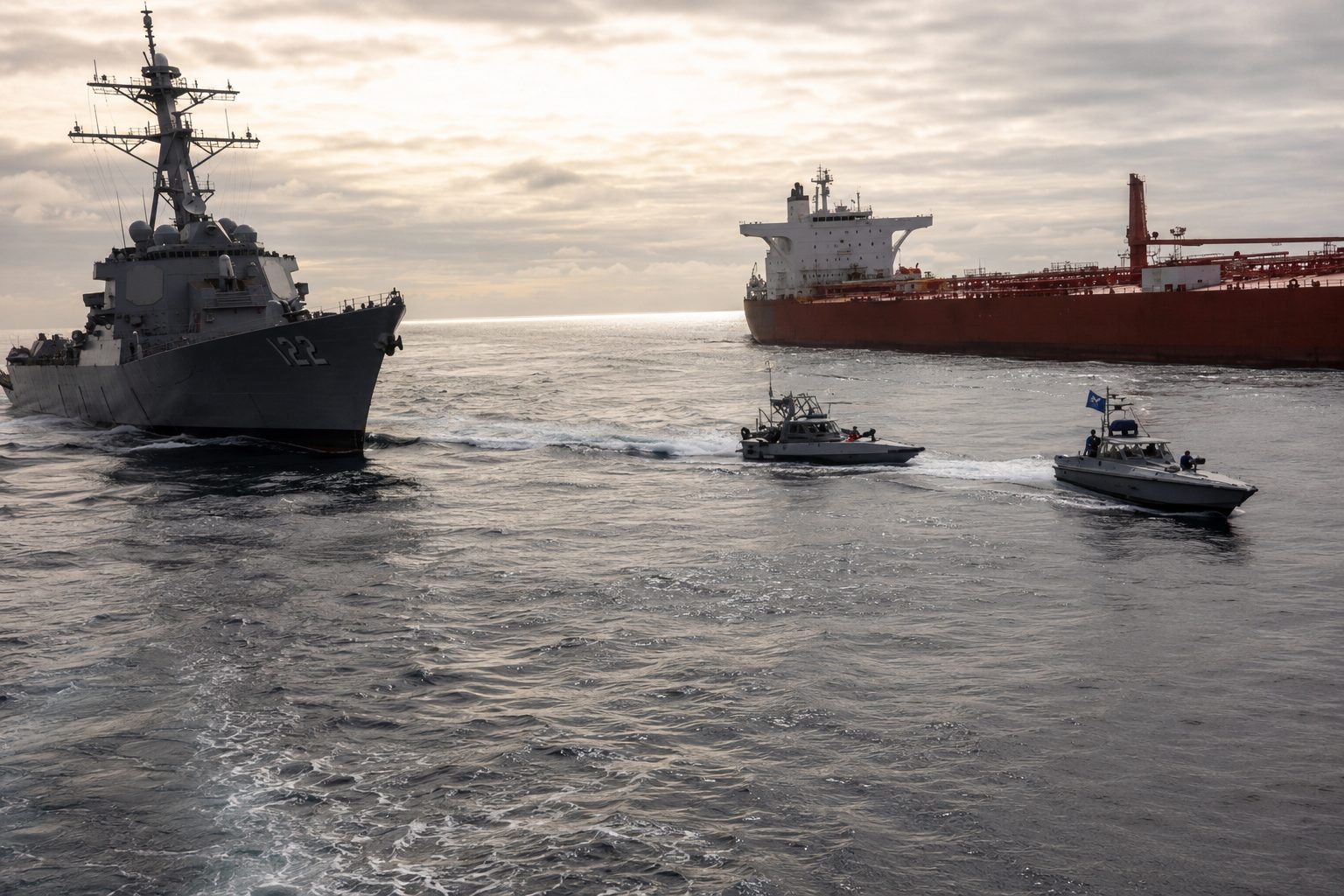
An anchored vessel off the UAE was seized and redirected toward Iran on Thursday. In a separate incident, an Indian-flagged cargo ship went down after being hit near Oman, thrusting the Strait of Hormuz into the spotlight amid the U.S.-Israel conflict with Iran. Responsibility for the attacks remains uncertain.
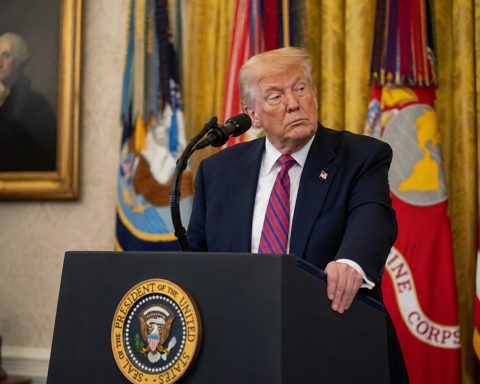
It was a tough moment for Washington. While U.S. President Donald Trump was in Beijing with Chinese President Xi Jinping, he suggested China might step in to aid the Iran talks. A White House official added that both leaders agreed the strait needs to remain open for energy shipments. But so far, China hasn’t directly supported Trump’s version of events.
Hormuz isn’t your average shipping passage. Roughly 20 million barrels of crude and other oil products passed through it daily in 2025, the International Energy Agency reports—putting about a quarter of global seaborne oil trade through this single chokepoint. Saudi Arabia and the UAE do have some alternative routes, but for Iran, Iraq, Kuwait, Qatar, and Bahrain, most oil exports depend on the strait.
The vessel seized off Fujairah was boarded while anchored about 38 nautical miles (70 km) northeast of the UAE port, according to United Kingdom Maritime Trade Operations. Two maritime security sources told Reuters the ship is thought to be the Honduras-flagged Hui Chuan, a fishery research vessel. Vanguard, the British maritime risk firm, noted the ship’s AIS tracking signal had gone dark.
According to India, a vessel carrying livestock from Somalia to the UAE caught fire and went down in Omani waters. The Omani Coast Guard managed to rescue all 14 crew members. “Safe and unimpeded maritime flows” through international waterways are still crucial for the global economy, Indian Foreign Minister Subrahmanyam Jaishankar noted. Reuters
Iran insists vessels may pass, provided they follow its conditions. Foreign Minister Abbas Araghchi, addressing a BRICS gathering, said the Strait of Hormuz remains open to commercial shipping as long as they “cooperate with our naval forces.” He put the blame on the U.S., accusing Washington of enforcing what he described as an illegal blockade. The Guardian
Fars news agency says Tehran is now letting certain Chinese ships move through the strait, following appeals from China’s foreign minister and the ambassador in Iran. According to Reuters, a Chinese supertanker loaded with 2 million barrels of Iraqi crude finally made its way through on Wednesday, after sitting stuck for more than two months.
The partial reopening isn’t looking stable. Reuters said diplomatic efforts to resolve the conflict have stalled since last week. Iran’s Revolutionary Guards put the vessel count at 30 since Wednesday evening, but Kpler, a shipping analytics firm, tracked only around 10 in the last 24 hours—still a far cry from the typical 140 daily crossings before the war.
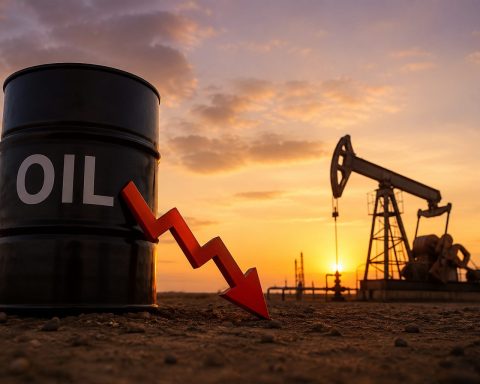
Oil traders saw the China-related developments as a modest sign of loosening. Brent crude slipped 0.7% to $104.90 a barrel as of 11:21 a.m. ET, having earlier touched $107.13. PVM’s Tamas Varga noted the additional transits “had a more tangible impact on sentiment than on the actual supply-demand balance.” Reuters
There’s a broader concern here: selective access could soon be standard operating procedure. Claudio Steuer at the Oxford Institute for Energy Studies put it plainly to Reuters: “Hormuz is no longer a neutral transit route.” Reuters also reported that Iraq, Kuwait, Qatar and Bahrain face greater vulnerability compared to Saudi Arabia and the UAE, both of which have some pipeline workarounds. Reuters
Washington and Tehran remain deadlocked over control of the waterway. Iran continues to push for sanctions relief, compensation for war damages, and formal recognition of its grip on Hormuz. The U.S., for its part, is demanding that Iran abandon its uranium stockpile and stop enrichment, Reuters reported.