
WASHINGTON, May 24, 2026, 16:03 EDT
NASA’s Perseverance rover is closing in on a marathon milestone on Mars, with just 0.13 mile left to go. The rover has logged more than five years on the red planet, digging through an ancient lake bed in search of signs that life once existed there.
The rover has logged 26.09 miles (41.99 km) so far—almost a full marathon, which clocks in at 26.22 miles (42.2 km). Mission manager Robert Hogg told Reuters he expects the milestone will probably be hit sometime within the next month.
Timing is key here: Perseverance has now left Jezero Crater, its landing site back in 2021, and is rolling into even older ground. Scientists think these ancient layers could reveal more about Mars’ primordial crust. According to NASA, the rover’s primary mission is still the hunt for possible ancient microbial life and gathering samples—rock and regolith, the latter being broken stone and dust—for eventual delivery to Earth.
Perseverance is still in action, according to NASA’s most recent public image page, which features a rover photo for Week 275 — that’s May 17-23. So, this mileage milestone isn’t just a symbolic mark; the rover continues relaying data from Mars.
Perseverance has shifted into its Northern Rim Campaign, now working its way through Lac de Charmes, an area outside Jezero that NASA has singled out as some of the most intriguing terrain yet. Katie Stack Morgan, the mission’s project scientist over at NASA’s Jet Propulsion Laboratory, called the investigation of these ancient rocks a “whole new ballgame.” And from Steve Lee, acting Perseverance project manager: the rover’s condition? “In great shape.” NASA
NASA reported this month that Perseverance has ground down 62 rocks and stashed 27 rock cores inside sample tubes—25 of those tubes are sealed. Abrading, in this context, refers to scraping off a rock’s outer layer to let instruments study fresher material below.
Science, not sport, is still the main goal here. NASA points out that the rock known as Cheyava Falls holds what could be biosignatures — hints that life might once have existed. But it’s far from settled; these are only possible indicators, not confirmation. More analysis is needed before they’ll say anything definitive.
Ken Farley, deputy project scientist for Perseverance at Caltech, told Reuters the rover is “in good health” and still has a power supply expected to last at least another ten years. As for how long the mission actually runs, Farley said that will hinge on decisions from NASA. Reuters
That’s the big hitch. Perseverance is equipped for sample collection, sure, but the most conclusive analyses for past life require labs back on Earth. NASA, for now, keeps Mars Sample Return filed under future mission concepts—no set launch date yet.
It’s not just about the science—there’s a fierce engineering push, too. Back in December, NASA reported that JPL’s tests indicated Perseverance’s wheel-turning actuators should keep running at their best for at least another 37 miles (60 km). Lee called the rover’s systems “excellent.” NASA
The rover’s autonomy has taken a step up. NASA reported that Perseverance, in December, pulled off its first AI-planned drives on another planet—charting out route waypoints on its own. “The technology is showing a lot of promise for off-planet driving,” said Vandi Verma, a roboticist at JPL. NASA
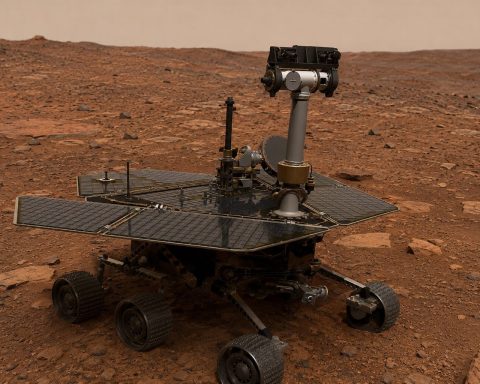
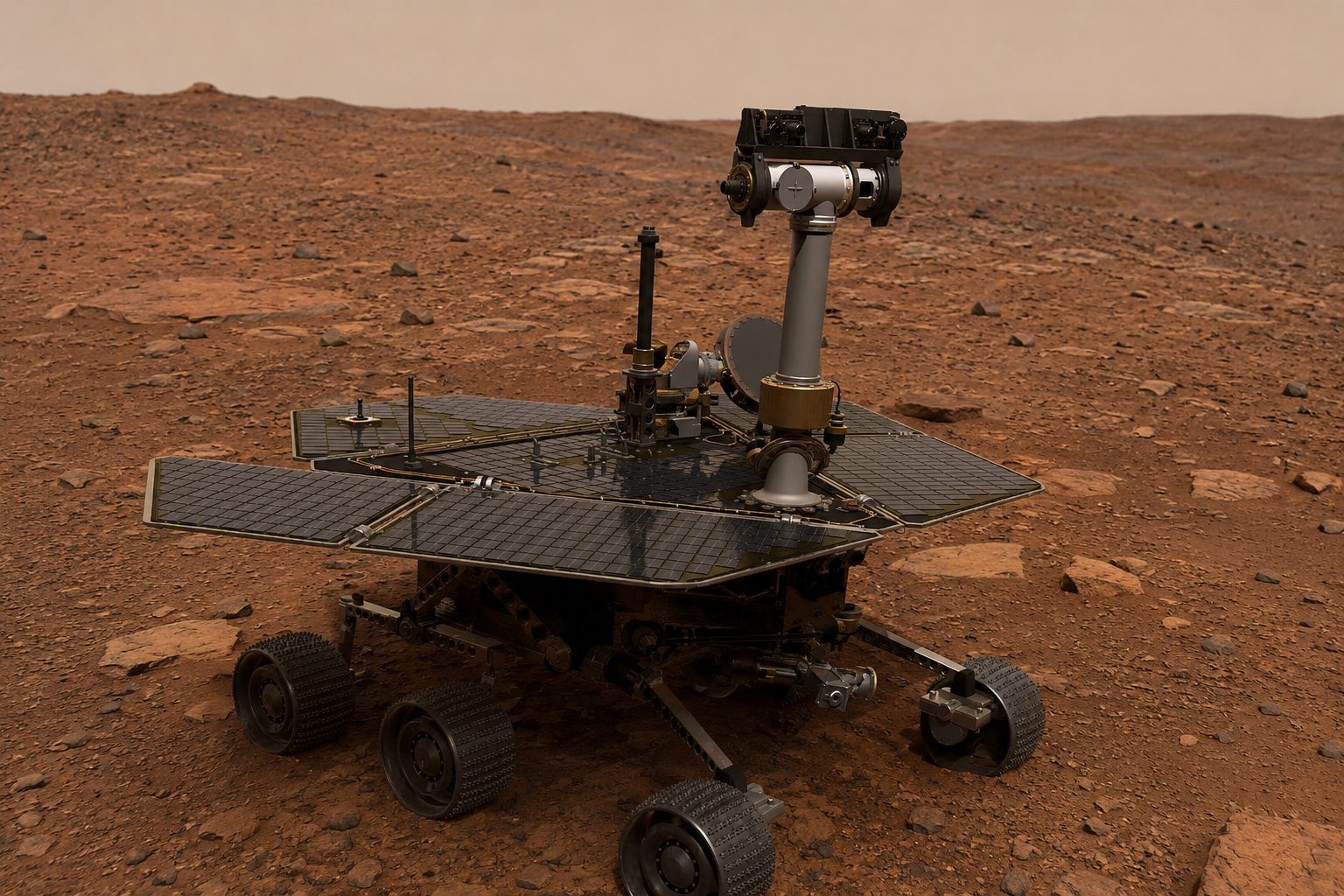
Opportunity still tops the charts for off-Earth driving, logging 28.06 miles (45.16 km) on Mars, so Perseverance hasn’t taken the crown yet. Curiosity, meanwhile, continues its work inside Gale Crater as NASA’s other active rover.
Even so, Perseverance has already surpassed its initial mission, which was set for a single Martian year—roughly 687 days on Earth—and is currently analyzing rocks estimated to be over 4 billion years old. Farley pointed out to Reuters that Mars provides scientists with a rare stand-in for early Earth, since rocks from that ancient period have mostly vanished here.