
BEIJING, June 1, 2026, 23:02 (China Standard Time)
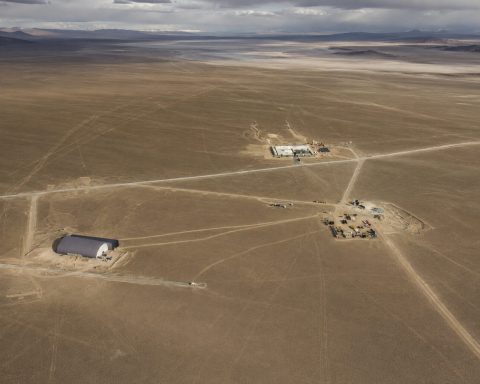
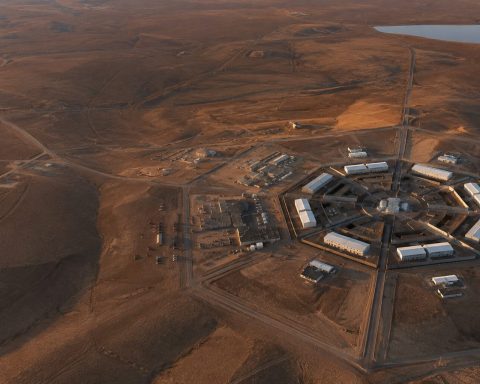
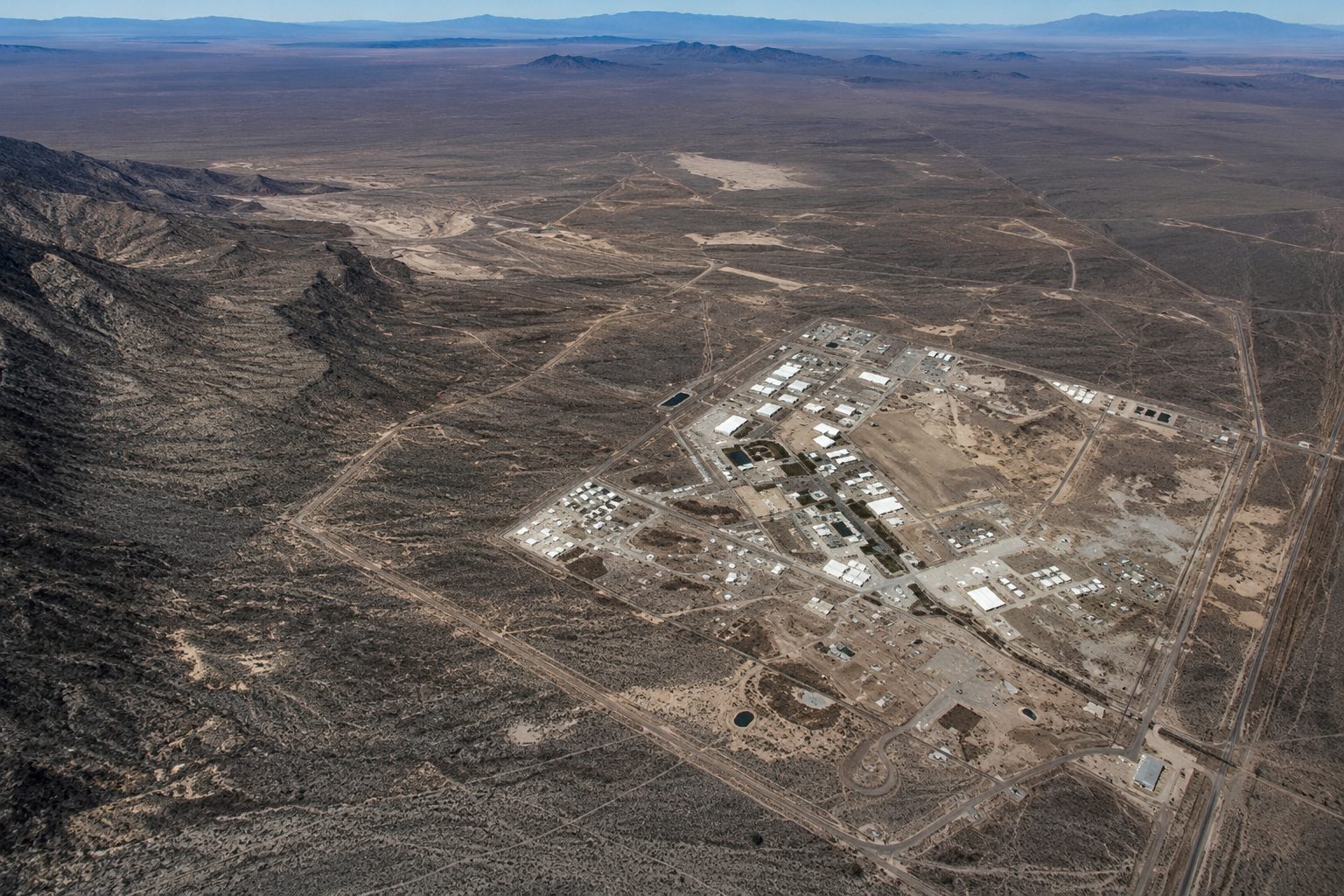
Reuters analysis of satellite imagery reveals China has constructed over 80 new launch pads, communications nodes, and bunkers clustered around the Hami nuclear missile silo field in Xinjiang. Analysts say this sprawling desert complex could complicate any effort to target Beijing’s land-based nuclear arsenal. Alexander Neill, adjunct fellow at the Pacific Forum, described the development as “very considerable enhancement and diversification” of China’s strategic deterrent. Hans Kristensen from the Federation of American Scientists added, he’d “never seen anything quite like it.” Reuters
It’s no coincidence. China’s navy announced Monday that U.S. and Chinese military officials met in Hawaii on May 28-29, calling the talks “candid and constructive” and emphasizing that improved communication might help avoid miscalculation. Reuters
The rhetoric has grown notably sharper. U.S. Defense Secretary Pete Hegseth, speaking at the Shangri-La Dialogue in Singapore, pointed to “rightful alarm” about China’s military buildup. Japan’s Defence Minister Shinjiro Koizumi, for his part, warned that China’s expanding military and opacity pose a serious threat not just to Japan but globally. Reuters Reuters
Fresh satellite imagery is fueling worries about China’s network of hardened military sites. Back on May 20, Futura spotlighted what it said was a separate underground command facility outside Beijing. Last year, the Financial Times—citing satellite photos and sources inside and outside the U.S. government—detailed an estimated 1,500-acre location about 30 kilometers from the capital, marked by deep excavations that analysts believe could conceal reinforced bunkers.
Second-strike capability—the capacity to withstand a nuclear blow and still strike back—remains the key concern. The International Institute for Strategic Studies, based in London, warned that a U.S.-China standoff over Taiwan could push both sides toward nuclear escalation, with each possibly aiming for the other’s command and communications centers. Daniel Salisbury, senior fellow at IISS, noted there’s a real lack of dialogue on nuclear risks between Washington and Beijing.
China’s nuclear stockpile trails far behind the U.S. and Russia. The Federation of American Scientists puts Russia’s active arsenal at roughly 4,400 warheads, while the U.S. count stands near 3,700. For China, the estimate comes in at about 620—and the group notes that number is on the rise.
China insists its nuclear strategy is purely defensive. Back in April, Foreign Ministry spokesperson Guo Jiakun repeated that Beijing sticks to a “no first use” principle for nuclear weapons, maintains only the minimum arsenal it sees as necessary for national security, and has no plans to join a nuclear arms race. China MFA
Still, things remain murky. Reuters quoted analysts who pointed to lingering uncertainties—chief among them: which weapons China plans to station at these launch pads. There’s also no clarity on whether the octagon-shaped sites are designed for truck-launched ballistic missiles, warhead-related activities, air defense, electronic warfare, or possibly a combination.
The risk here isn’t limited to a hardware buildup. If policymakers in Washington, Tokyo or Taipei see reinforced Chinese positions as signals for possible coercion, they could accelerate their own military moves. Should Beijing interpret that as an attempt to encircle China, the escalation could pick up pace. Defence partnerships across the Indo-Pacific are already tightening—Japan, the Philippines, Australia, Canada, and New Zealand have all drawn closer, even outside the direct U.S. security framework, as China’s military influence expands.
Right now, satellite images have thrown what used to be a technical issue into the diplomatic spotlight. Maybe those desert structures are defensive, as China claims—consistent, too, with its stated nuclear policy. Still, they force rivals to rethink their calculations.