
New York, June 2, 2026, 04:18 EDT
- FutureCorp Space Acquisition 1 wants to raise $200 million, targeting a deal in the space and defense sector.
- Timing is key, with SpaceX gearing up for a Nasdaq debut in June.
- Old SPAC risks are still in play here: there’s no operating business, no announced target, and valuation pressures remain high.
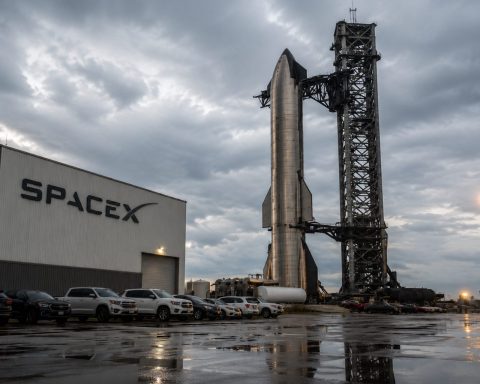
FutureCorp Space Acquisition 1 is looking to pull in $200 million through a blank-check IPO, with its sights set on space and defense opportunities. The SPAC is touting connections to SpaceX, xAI, Surf Air Mobility, and Palantir as investors start to focus on SpaceX’s anticipated public listing. SpaceX, still the heavyweight in the industry, is prepping for a potential Nasdaq debut that could break IPO records.
Timing is everything here. SpaceX said Monday it’s setting aside 5% of shares from its upcoming IPO for certain employees and other individuals picked by top executives, signaling the listing—long in the works—is now grinding through its last steps.
FutureCorp is aiming to raise $200 million through a SPAC IPO, offering 20 million units priced at $10 apiece, Renaissance Capital reported. Each unit comes with a share and half a warrant—the warrant allows investors to pick up another share down the line at a predetermined price. The company will seek out a private firm to merge with and take public, following the standard SPAC playbook.
Joshua Marks sits at the helm—he’s the chief executive and CFO of FutureCorp, as well as CEO of Anuvu, known for its satellite connectivity and media offerings targeting aviation and maritime industries. At chairman: Sudhin Shahani, best known as Surf Air Mobility’s co-founder. The SPAC’s own documentation names Matthew Long, formerly with xAI, as general counsel. David Anderman, who previously served as general counsel at SpaceX and sits on Surf Air’s board, is also onboard as a director.
FutureCorp plans to explore opportunities ranging from space manufacturing and component supply to launch systems, in-orbit services, habitats, satellite communications, Earth observation, and defense-related sectors. No merger target has been announced so far. Cantor Fitzgerald is running the books. The Los Angeles-based company intends to trade as FTRAU, according to Renaissance Capital.
SpaceX plans to kick off its roadshow on June 4, aiming to price shares as soon as June 11, according to Reuters, which cited sources with knowledge of the process. The report noted the company is eyeing a listing under the ticker SPCX and may target roughly $75 billion, putting the valuation close to $1.75 trillion.
News of the potential listing has already given some listed space stocks a boost. Last month, Reuters highlighted gains for Eutelsat, OHB, and SES after SpaceX moved forward with its IPO plans. OHB CEO Marco Fuchs weighed in, telling Reuters, “I don’t think there will be capital flight,” and suggesting that big IPOs like this one tend to draw fresh attention and new opportunities to the sector. Reuters
Stéphane Beyazian, analyst at ODDO BHF, told Reuters he sees SpaceX fetching valuation multiples far higher than SES or Eutelsat. “Some investors have appetite to have exposure to this segment,” he said, pointing to the optimism around space-focused stocks catching a valuation boost. Reuters
But there’s a catch. A space-themed SPAC still needs to lock in a target, negotiate terms, and convince the market that it can actually deliver on projections—no small feat in a sector where launch holdups, military spending shifts, and rising financing costs are constant threats. The risk only grows if SpaceX grabs all the oxygen, or if its valuation takes a hit once it starts trading.
SpaceX has cautioned investors about the uncertain future of some of its boldest initiatives. According to a company filing cited by Reuters, efforts around orbital AI compute, as well as industrialization projects in orbit, on the moon, and even beyond, all come with major technical hurdles and might never reach commercial viability.
Valuation is a sticking point too. Morningstar analysts Nicolas Owens and Suryansh Sharma pegged SpaceX at $780 billion—a figure that’s sharply under private-market estimates. Their discounted-cash-flow math came out roughly 48% lower than what the private market currently assigns, per Investor’s Business Daily.
FutureCorp’s approach is more targeted than SpaceX’s—acquire something connected to space or defense, then inject public money. There’s a shot the market’s receptive. But it’s getting crowded, and investors know this model.