
BEIJING, June 3, 2026, 00:06 (China Standard Time)
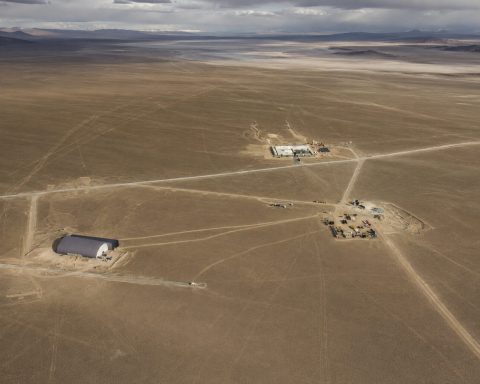
- Satellite imagery points to over 80 potential launch pads clustered near China’s Hami nuclear missile silo field.
- That expansion is drawing more attention to a different fortified command center just outside Beijing.
- Analysts point to a central issue: do these sites actually boost China’s capacity to retaliate after a first strike?
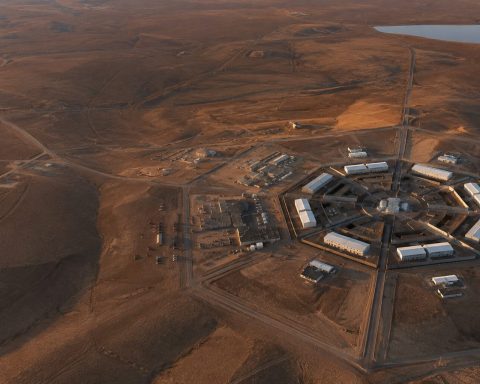
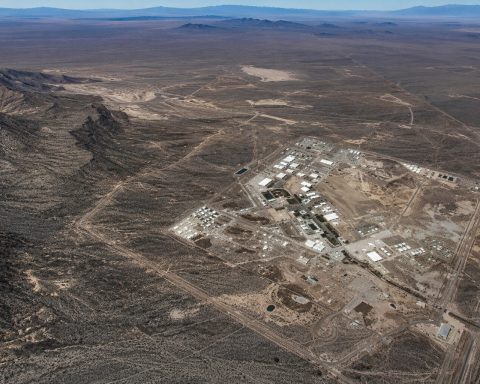
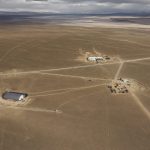
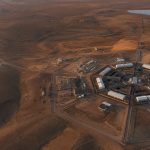
Satellite imagery seen by Reuters reveals China is adding over 80 launch pads and three distinctive octagonal structures close to its nuclear missile silos at the Hami field in Xinjiang. The expansion, which also features new bunkers and communications nodes scattered across the remote northwest, offers analysts new detail on Beijing’s efforts to reinforce its land-based nuclear arsenal.
Timing is key here. The images appeared while U.S. and Asian officials weigh China’s military buildup, rising Taiwan tensions, and the question of whether regional deterrence is enough. On Tuesday, U.S. Secretary of State Marco Rubio reiterated that Washington remains committed to the Taiwan “status quo”—remarks coming in the wake of a Trump-Xi summit that rattled nerves in Taipei over U.S. resolve. Reuters
Survivability is the core concern here. Second-strike capability means more than just having missiles; it relies on command posts that stay functional, communications networks that hold up, mobile launchers ready to move, and defenses that don’t buckle even under fire.
Alexander Neill, adjunct fellow at Hawaii’s Pacific Forum, described the infrastructure as “grand scale” construction on desert ground. He noted that, depending on how China ultimately puts it to use, it could represent a “considerable enhancement” to the country’s strategic nuclear deterrent. Reuters
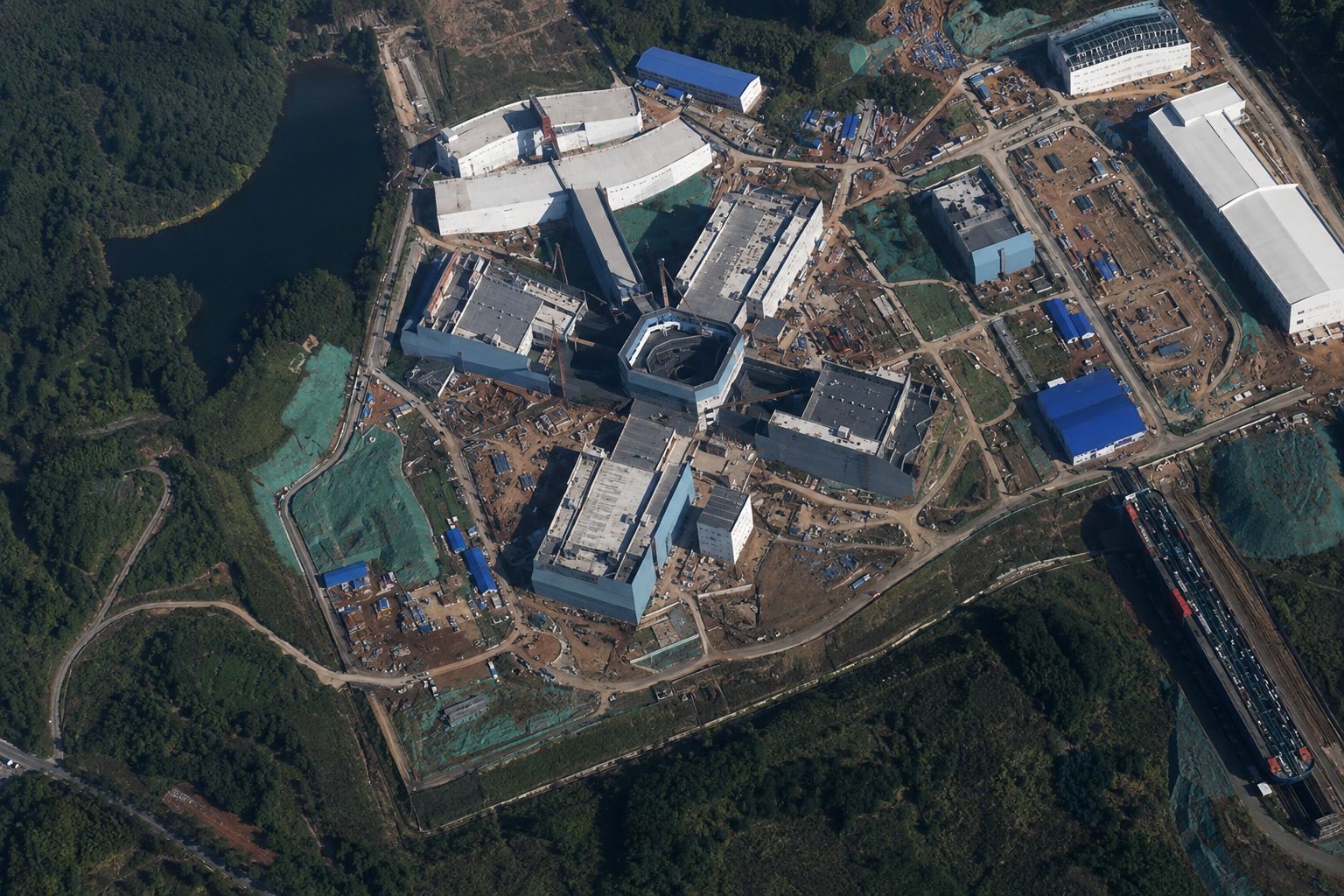
The desert network adds fresh heft to earlier satellite imagery pointing to a sprawling underground military command center on the outskirts of Beijing. According to Futura Sciences, this facility looks built to shield top military operations in a serious conflict—even nuclear.
The so-called “Beijing Military City,” as some analysts have dubbed the Beijing-area complex, lies approximately 20 miles southwest of the capital. Spanning an estimated 1,500 acres, per Business Insider—citing both satellite imagery and earlier coverage in the Financial Times—the site has drawn attention from U.S. intelligence officials. They reportedly suspect it could double as a nuclear bunker and wartime command hub. Business Insider
The photos alone don’t answer what China plans to put on site. Five security scholars told Reuters that the Hami-area buildout could fit China’s nuclear arsenal or serve other military ends; so far, no one knows what weapons—if any—will actually go on those launch pads. That’s the sticking point. Mistaking a defensive installation for an offensive launch site, or the opposite, could push military strategists straight to worst-case planning.
China insists its nuclear stance is purely defensive, sticking to its pledge of “not to be the first” to use nuclear weapons and backing wider no-first-use deals among nuclear nations. The defense ministry in Beijing stayed silent when Reuters pressed for comment about the satellite images. The Pentagon, for its part, declined to discuss intelligence issues. China Foreign Affairs
Still, U.S. officials note a shift in scale. According to the U.S. Defense Department, China’s arsenal crossed 600 operational nuclear warheads as of mid-2024 and could top 1,000 by 2030. The report also points to advances in both the range and diversity of China’s nuclear forces.
The U.S. and Russia remain ahead with much bigger arsenals. Still, analysts are zeroing in on the pace of China’s buildup—fresh silos, more mobile launchers, new submarines, bombers, even early-warning gear all rolling out together. That’s closing some of the distance that once left China’s nuclear force looking minor and largely for show.
The biggest worries center on Taiwan. A recent assessment from the International Institute for Strategic Studies flagged the risk that a U.S.-China clash over the island could spiral into nuclear escalation, particularly if both sides struck at command and communications hubs without established guard rails in place.
Regional governments are responding, sometimes quietly, rather than addressing the missile images head-on. Japan’s Defence Minister Shinjiro Koizumi, speaking at the Shangri-La Dialogue, called out China’s growing military and its opacity, labeling both “matters of serious concern” for Japan and the international community. Reuters
Japan, Australia, the Philippines and a handful of other nations are pushing ahead with tighter defense ties outside the traditional U.S.-led framework. Philippine Defence Secretary Gilberto Teodoro called these moves a way to reinforce—not supplant—the U.S. presence, as military planners in the region look to pick up the pace while China widens its reach.
For Beijing, toughened sites could serve as a hedge against a first strike. Rivals get extra targets to worry about, more uncertainty, and fresh pressure to counter. That’s the space—wedged between deterrence and alarm—where the next leg of the arms race probably lands.