
New York, June 2, 2026, 17:04 (EDT)
SpaceX is targeting a valuation near $1.75 trillion, factoring in the greenshoe option, as it edges closer to what could be a record-setting IPO, Reuters said Tuesday, citing two sources with knowledge of the plans. The company is looking to pull in a minimum of $75 billion in fresh capital, with every dollar slated for SpaceX itself—no existing holders cashing out.
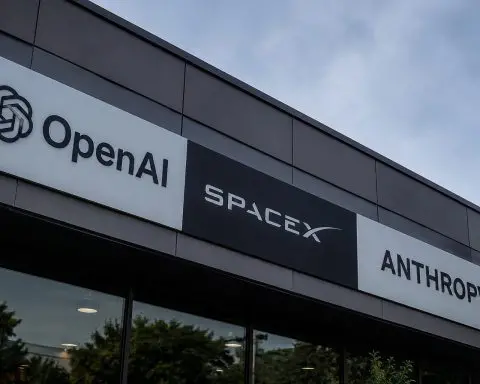
The clock is ticking, with the investor roadshow set to kick off this week and Nasdaq trading potentially hitting the screens by June 12. Pulling off a transaction of this magnitude would put public appetite for mega-cap private names under the microscope—possibly influencing how other heavyweight IPO hopefuls like OpenAI and Anthropic approach their own debuts.
A greenshoe lets underwriters offload additional shares when buyers pile in. SpaceX is sticking with an all-primary approach, so any cash from the deal goes straight into the company—early investors won’t be the main ones pocketing proceeds.
Goldman Sachs has landed the highest-profile spot. On May 20, Barron’s said SpaceX tapped Goldman to steer the offering, with Business Insider following up to name the bank in the lead-left slot—Wall Street’s key seat for pricing and allocating shares. Morgan Stanley, Bank of America, Citigroup, and JPMorgan Chase are also part of the core bookrunner group.
SpaceX is squeezing banks on fees, Bloomberg News said, as cited by Reuters. The company is pushing for underwriting fees of less than 0.75% on its planned $75 billion raise—still a possible $500 million payout for the banks. Goldman wouldn’t comment. SpaceX and Morgan Stanley didn’t immediately answer Reuters’ inquiries.
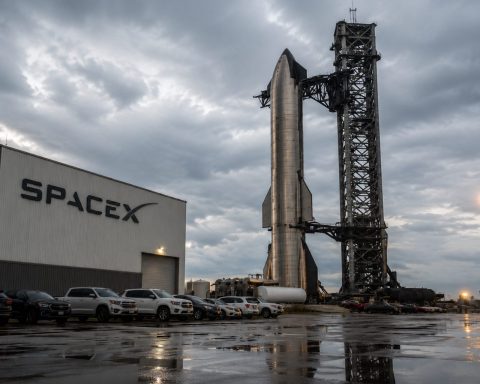
The S-1 registration statement from Space Exploration Technologies Corp is now part of the public record. According to the Securities and Exchange Commission’s EDGAR site, the company filed on May 20, using its Starbase, Texas address and referencing the Securities Act of 1933.
Big numbers, but the story isn’t smooth. According to Reuters, SpaceX’s filing shows revenue up sharply—$18.67 billion in 2025 against $14.02 billion the prior year. Yet profitability flipped: a net loss of $4.94 billion, after posting $791 million in profit before. First quarter revenue climbed to $4.69 billion, though losses also grew.
Starlink is still holding up the business. According to Reuters, SpaceX’s connectivity segment—which covers satellite broadband—was the only unit to turn a profit in Q1; the AI group connected to xAI lost money. Blue Origin is still in the picture as a launch competitor, but there’s no pure public play for SpaceX’s combination of rockets, satellites, and AI to give investors a direct comparison.
Price becomes the battleground. “There is somewhat of a halo effect around Musk and his unconventional vision,” Georgetown University finance professor Reena Aggarwal said to Reuters. Valuing companies like this isn’t straightforward—no real peers to use as a benchmark. Reuters
Morningstar wasn’t buying the implied price tag. The firm slapped a $780 billion valuation on SpaceX—just a bit over half the rumored IPO figure—and analyst Nicolas Owens didn’t mince words: “We don’t see Grok as one of the leading AI labs today.” Owens added that buying in after the shares begin trading might offer investors a better deal. Reuters
There’s a chance demand won’t hold up as strongly as initial talks indicate. Offering size, valuation, and how fees are divided are all still up in the air. Investors have to balance Musk’s grip on voting rights, SpaceX’s appetite for capital and questions around the economics of ventures like orbital data centers, all against Starlink’s profit stream and the rarity of the asset.
Governance might give some buyers pause. According to the filing, Musk’s grip on voting power stays firm—he keeps 85.1% control thanks to a dual-class structure that hands extra votes to certain shares, Reuters noted. Previously, an investor group called on the SEC to take a closer look at SpaceX’s filings, pointing to worries about how the company reports finances and possible conflicts.
Wall Street sees the deal as both a coveted win and a source of tension. Goldman and Morgan Stanley are set to take leading positions in this high-profile listing, yet the ongoing fee negotiations highlight that even a blockbuster IPO like this one might fall short of the hefty payouts banks usually count on.