
LOS ANGELES, June 3, 2026, 01:22 PDT
- FutureCorp Space Acquisition 1 updated its S-1 on June 2, following an initial registration aimed at securing $200 million to pursue deals in space and defense.
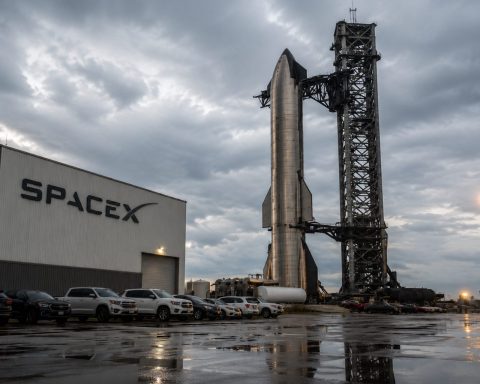
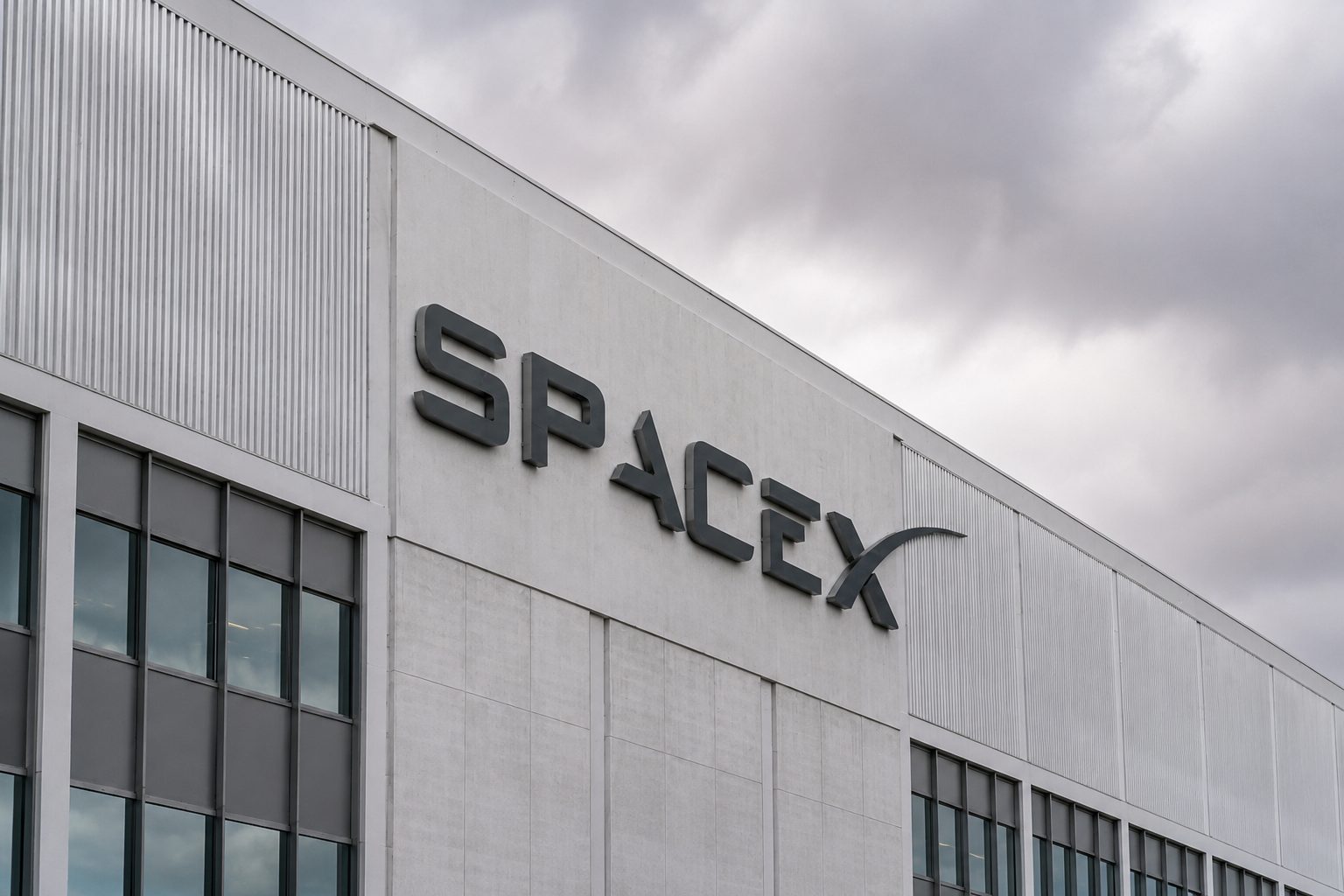
- SpaceX is gearing up for its investor roadshow, with Reuters reporting the company aims to price shares at $135, targeting a $1.75 trillion valuation.
- It’s not a one-way street here—Morningstar puts SpaceX’s valuation at $780 billion, well under the target on the table.
FutureCorp Space Acquisition 1, a Los Angeles blank-check firm targeting space and defense, is advancing in the IPO queue as SpaceX’s looming market entrance gives commercial space investors a fresh benchmark. The company updated its public filing on June 2 with an amended S-1, following a May move to raise $200 million via a NYSE listing.
Timing could play a key role here. SpaceX is targeting a $135 per share IPO, looking to pull in a record-setting $75 billion, according to Reuters, which cited someone familiar with the deal. The company intends to put 555.6 million shares on the table, shooting for a $1.75 trillion valuation. Roadshow kicks off Thursday.
FutureCorp offers public-market investors a backdoor play on private space, satellite communications and defense-adjacent assets—without the usual venture route. The vehicle is a SPAC—a cash shell that gathers capital through an IPO, then hunts for a private target to bring public via merger.
According to its filing, FutureCorp hasn’t settled on a target yet. The company is casting a wide net, eyeing opportunities throughout the global space economy—space manufacturing, component supply, launch platforms, in-orbit services, telecoms based in orbit, Earth observation, and defense projects are all in play.
Deal structure looks typical for a SPAC: FutureCorp aiming to move 20 million units at $10 apiece, each unit bundling a share with half a warrant—the latter letting holders pick up an extra share down the line at a predetermined price. The twist? The sector target stands out. Cantor Fitzgerald is handling bookrunner duties solo, and shares are set to list as FTRAU.
The lineup itself is a selling point. Joshua B. Marks, who leads satellite-connectivity firm Anuvu, holds the titles of chief executive, chief financial officer and director. Surf Air Mobility co-founder Sudhin R. Shahani is on board as chairman. Matthew A. Long fills the general counsel role. Last month, Bloomberg flagged that ex-employees from Surf Air Mobility, xAI, and SpaceX are also among the group.
SpaceX itself turned up the heat with a fresh filing. On June 1, the company amended its S-1, SEC records show—positioning for the next step in what might shape up to be one of the biggest listings ever seen in the U.S. markets.
Money’s quickly finding its way in. Over the last month, space-focused exchange-traded funds attracted $1.3 billion in fresh inflows, lifting total assets for the category to $3.3 billion, according to Morningstar Direct data cited by Reuters. Morningstar ETF analyst Bryan Armour described the surge as a typical rush that happens when something “new and shiny” shows up. Meanwhile, Nick Frasse at VanEck pointed to investors chasing what they see as a “big growth story.” Reuters
Public comparables are fueling continued interest in the sector. According to Reuters, Rocket Lab’s stock surged 393% and AST SpaceMobile jumped 258% in the last 12 months—this before SpaceX has even gone public. “Investors are beginning to realize space isn’t ‘too far out’ anymore,” Procure CEO Andrew Chanin told Reuters. Reuters
SpaceX isn’t sticking to the usual IPO playbook. The company set a fixed price ahead of bookbuilding—something you don’t see often. Weiheng Chen, senior partner at Wilson Sonsini, described Musk’s stance to Reuters as “take-it-or-leave-it.” And for Craig Coben, formerly with Bank of America’s capital-markets desk, SpaceX can afford to call the shots. He told Reuters investors may have to fall in line since this is “the most anticipated IPO ever.” Reuters
The risks stand out. FutureCorp doesn’t have an operating business or a target lined up yet—investors are effectively betting on the sponsor group and their sector pitch. According to its filings, if the company doesn’t pull off a business combination within 24 months after the offering closes—or within any other approved timeframe—it’s required to redeem public shares and liquidate.
The real hurdle could be valuation. Morningstar values SpaceX at $780 billion—far shy of the $1.75 trillion IPO mark Reuters reported. Nicolas Owens, an equity analyst at Morningstar, doesn’t count Grok among the top AI labs and described the company as “significantly overvalued.” He suggested investors might see “more attractive levels” post-IPO. Reuters
So FutureCorp is left pitching a slimmer idea in a market that isn’t waiting around: it’s not offering SpaceX, but rather a shot at spotting the next space company to go public, as SpaceX draws in more capital and headlines. How long that opportunity lasts could hinge on investor faith in the SpaceX benchmark when actual trading begins.