
New York, June 3, 2026, 05:06 (EDT)
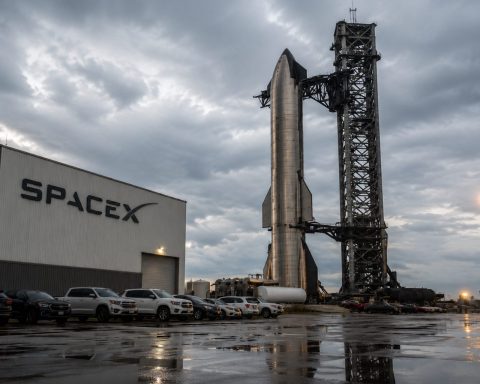
SpaceX is aiming for a $135-per-share price in its upcoming IPO, seeking to raise $75 billion, according to Reuters, which cited a source with knowledge of the deal. That would value Elon Musk’s rocket and satellite company near $1.75 trillion—a hefty figure—and represents an unusual move, as the pricing comes ahead of the traditional investor bookbuilding process.
Timing is key here. SpaceX kicks off its roadshow on Thursday, aiming for a Nasdaq listing as soon as June 12. The pitch: public investors are being tapped for cash to bankroll everything from satellite broadband to AI-powered operations in orbit. It’s an all-primary offering, so every dollar raised heads straight to SpaceX—no insider shares on the block.
So Starlink takes the spotlight in the sales pitch. On CNBC, Roth Capital’s Rohit Kulkarni zeroed in on a key issue: just how far can the satellite internet operation actually grow? He called it the “biggest question” for valuation. YouTube
Space Exploration Technologies Corp kicked off the public filing process on May 20, submitting its Form S-1 to the U.S. Securities and Exchange Commission. The SEC accepted the paperwork later that day; the file logs 110 documents connected to the offering.
Investors aren’t letting go of Starlink, and the numbers make it clear why. According to SpaceX’s filing, the company logged $18.7 billion in revenue for 2025, but ended up with a $4.9 billion net loss. Starlink, its connectivity business, pulled in $11.4 billion—about 61% of total revenue, per Via Satellite. Subscriber count hit 10.3 million by March’s close, even as average revenue per user slipped to $66 monthly.
Morningstar isn’t convinced by the hefty valuation. The firm’s analysts put SpaceX at $780 billion, which is well below the figure being floated. Analyst Nicolas Owens pointed to ongoing questions around the company’s AI ambitions. “We don’t see Grok as one of the leading AI labs today,” Owens said. He also suggested investors might see more attractive pricing after the IPO. Reuters
Competition is already here, despite Starlink’s early lead. Amazon’s Leo satellite network—formerly known as Project Kuiper—is pushing to assemble its own broadband constellation. But a New Glenn rocket test explosion at Blue Origin could throw a wrench in Amazon’s launch timeline, according to Business Insider. That uncertainty keeps the pressure on: Starlink needs to keep growing its user base, protect its price points, and reinforce its network as deep-pocketed competitors ramp up spending.
There’s plenty at stake for Wall Street banks. SpaceX tapped Goldman Sachs, Morgan Stanley, BofA Securities, Citigroup, and J.P. Morgan to run the books, with Bloomberg News reporting—via Reuters—that fee negotiations are pushing below 0.75%. That doesn’t leave banks empty-handed: a sale this size could still net them close to $500 million in fees.
The potential pitfalls here aren’t just about launches or profits. According to Bloomberg Law, SpaceX’s offering documents set up a Texas-centric legal framework for shareholder disputes, eliminating class actions and, through a separate bylaw, demanding that anyone filing a derivative suit must first hold at least a 3% stake. It’s still uncertain if courts will go along with this arrangement.
Investors are juggling a pair of valuations here: the revenue-generating Starlink machine, and a sprawling collection of longer-term wagers—think Starship, AI, and the backbone of space. Should demand stay strong, SpaceX has a shot at jolting the IPO scene within a week. But if Starlink’s momentum stumbles, or if the company’s AI pitch feels shaky under the microscope, that $1.75 trillion valuation could be the first battleground for pushback.