
Beijing, June 4, 2026, 01:04 (China Standard Time)
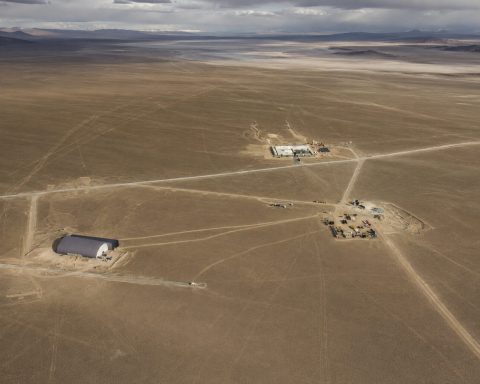
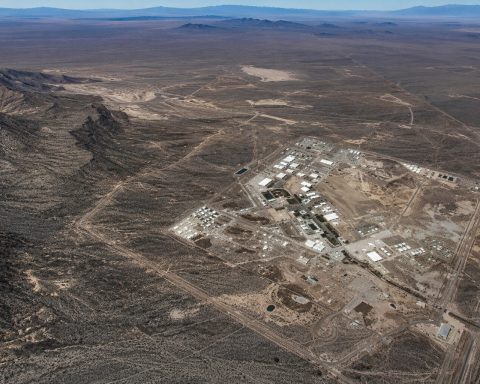
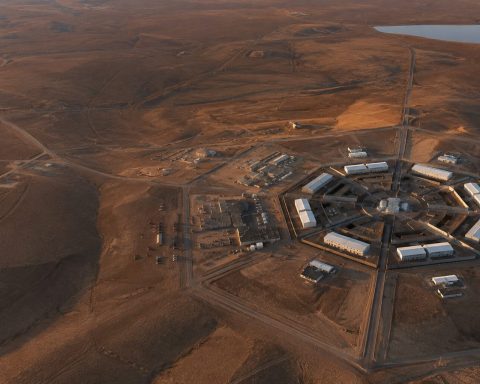
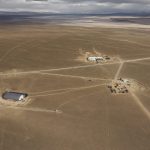
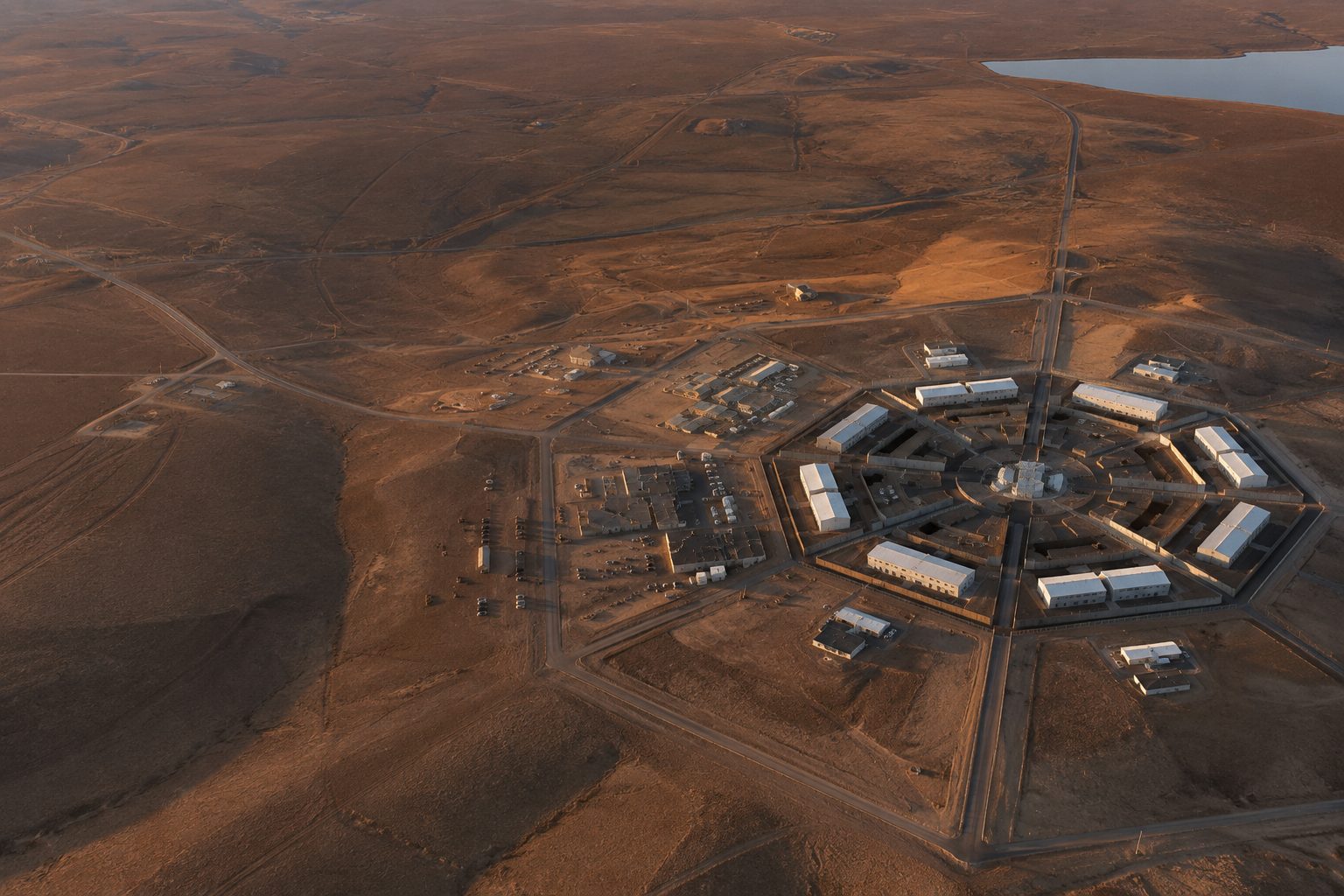
Satellite imagery analyzed by Reuters and featured in a June 2 Reuters video points to China constructing an array of launch pads, bunkers, and communications sites near nuclear missile silos in the country’s northwest. The activity, spotted near the Hami silo field in Xinjiang, adds to worries that stretch past just the suspected underground command center outside Beijing. Reuters identified over 80 launch pads and three large, octagon-shaped structures at the site.
Timing is key here. A recent assessment from the International Institute for Strategic Studies cautioned that a U.S.-China clash over Taiwan could trigger attacks on command and communications hubs. That, the report says, ups the danger of nuclear escalation. “Second-strike capability”—the term refers to the ability to absorb a nuclear blow and retaliate. Reuters
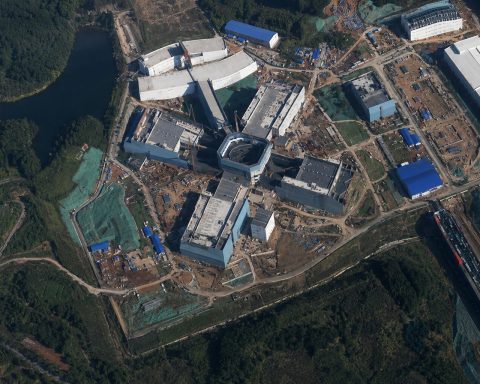
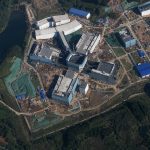
Those concerns sharpen after Futura’s May 20 piece detailed satellite images of a sprawling underground complex just outside Beijing. The Financial Times had previously flagged a construction zone spanning some 1,500 acres about 30 kilometers southwest of the city—U.S. officials suspect it may serve as a wartime command hub. Business Insider, citing later satellite photos, highlighted rapid progress at what’s been labeled “Beijing Military City.” Futura
Alexander Neill, adjunct fellow at Pacific Forum, told Reuters that the desert infrastructure project is unfolding on a “grand scale,” potentially representing a “considerable enhancement and diversification” for China’s strategic nuclear deterrent. Intercontinental ballistic missiles—ICBMs—are designed for long-range strikes that can span continents. Reuters
China’s new sites could be set up for mobile missile launchers, air-defense systems, electronic warfare, or C3 — shorthand for command, control and communications, the backbone for relaying orders and maintaining operational links. Tong Zhao, senior fellow at the Carnegie Endowment for International Peace, described a “real possibility” that the octagonal layouts and towers tie into C3 and nuclear activity near Hami. Reuters
Reuters received no reply from China’s defence ministry regarding the imagery. The Pentagon also wouldn’t discuss intelligence issues. Beijing maintains its nuclear policy is defensive, sticking to a “no first use” stance and insisting its arsenal remains at the “minimum level required by national security.” Reuters
U.S. officials continue to point to fast growth. According to the Pentagon’s latest China military report, China’s warhead stockpile stayed in the low 600s through 2024, but the People’s Liberation Army is still expected to top 1,000 warheads by 2030.
Peer comparisons matter, though they can be misleading in scale. The U.S. and Russia both maintain vastly larger nuclear stockpiles than China. According to Reuters, which quoted Federation of American Scientists figures, Russia has 4,400 active warheads, the U.S. comes in at 3,700, while China trails with 620.
The mood in the region? Clearly tense. Speaking at the Shangri-La Dialogue in Singapore, Japanese Defence Minister Shinjiro Koizumi didn’t mince words—he charged that China’s military buildup is happening fast, shrouded in secrecy, and labeled China’s actions “matters of serious concern” for both Japan and the international community. Reuters
The images, though detailed, leave key questions open. Five security experts told Reuters that the facilities might back China’s nuclear efforts or other military goals. Hans Kristensen from the Federation of American Scientists described the scale-up as an “extraordinary effort,” adding it’s “hard to rule anything out.” Reuters
Uncertainty here is a double-edged sword. Read too much into the sites and another arms buildup could follow; miss the signs and U.S. and allied military planners might find themselves caught off guard in a crisis, particularly over Taiwan. IISS senior fellow Daniel Salisbury pointed out that the U.S. and China don’t have the arms-control dialogue that defined the Cold War era. “That culture of discussion is just not there,” he said. Reuters