
BEIJING, June 4, 2026, 03:11 (China Standard Time)
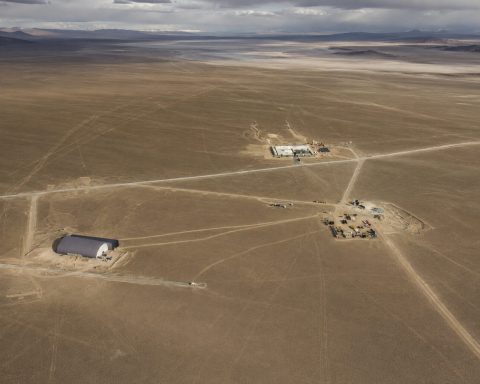
- Reuters, reviewing satellite images, identified over 80 launch pads along with three octagonal structures close to China’s Hami nuclear missile silo field.
- Analysts note the network could boost China’s second-strike capability—basically, its capacity to retaliate if hit by a nuclear attack.
- These findings come as a separate, large command-site project near Beijing—recently described as a hardened wartime facility—faces growing scrutiny.
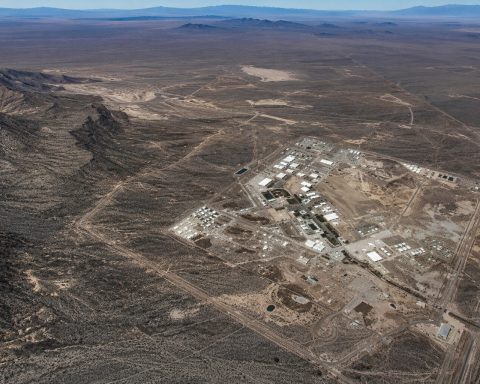
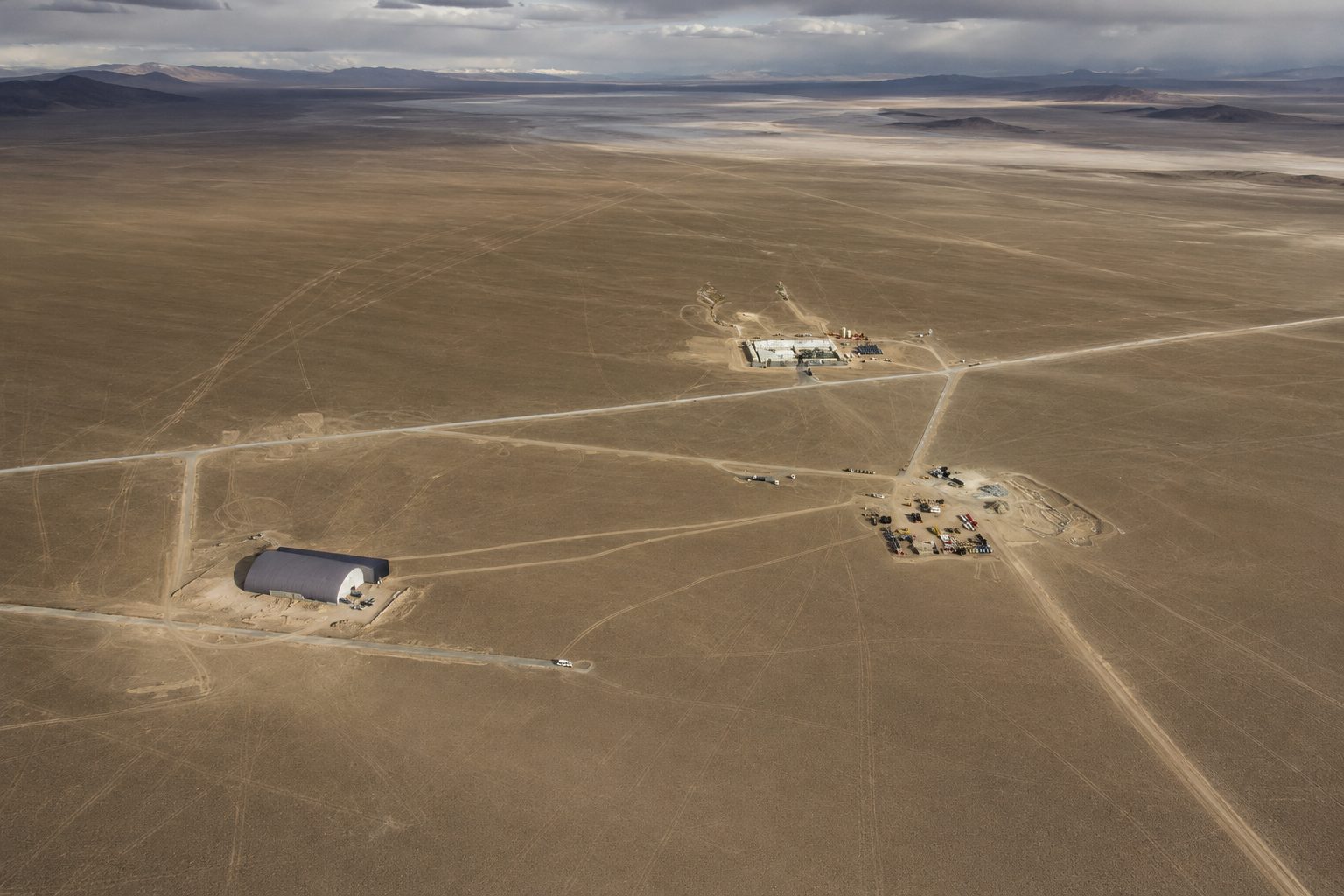
Fresh satellite imagery out of China’s far northwest shows an extensive grid of launch pads, bunkers, and communications hubs clustered around the nation’s long-range missile silos—fueling analysts’ worries about the speed of Beijing’s nuclear buildup. Reuters on June 2 rolled out a video review highlighting the broad layout near the silos for China’s longest-range missiles.
This is becoming a real concern, since the setup seems intended to complicate any attempt to take out China’s land-based nukes in a first strike. Reuters has counted over 80 pads that might be used for mobile missile launchers or air-defense systems. Some of the other sites could be focused on electronic warfare, satellite connections, and command functions.
Regional governments and analysts are once again taking a hard look at China’s military buildup. In India, a familiar question popped up Wednesday: Is New Delhi trailing China’s nuclear arsenal? Meanwhile, over at the Shangri-La Dialogue, Japan’s Defence Minister Shinjiro Koizumi called China’s fast-moving and secretive military expansion a “serious concern” for both Japan and the broader international community. The Times of India Reuters
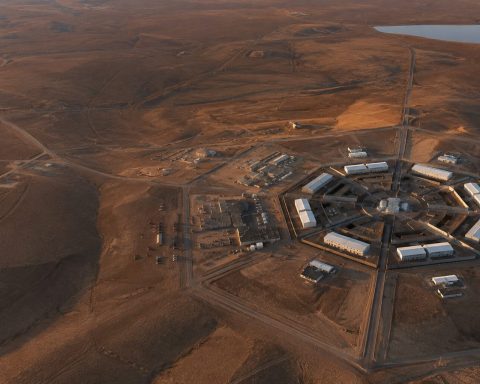
Reuters’ satellite images pinpoint most construction activity near the Hami silo field in Xinjiang. Over the past six years, two octagon-shaped compounds have gone up roughly 140 km and 230 km to the southwest of the silos. The photos reveal living quarters, infrastructure for heavy vehicles, armored bunkers, reinforced storage, airfields, and rail connections.
Alexander Neill, adjunct fellow at Hawaii’s Pacific Forum think tank, called the scale of construction “grand,” saying it could mark a “considerable enhancement” to China’s deterrent capabilities. “It’s hard to rule anything out,” said Hans Kristensen of the Federation of American Scientists. Tong Zhao, a senior fellow with the Carnegie Endowment, pointed out that the octagon-shaped sites and tall towers might relate to command, control, and communications — critical for relaying orders and alerts in a crisis. Reuters
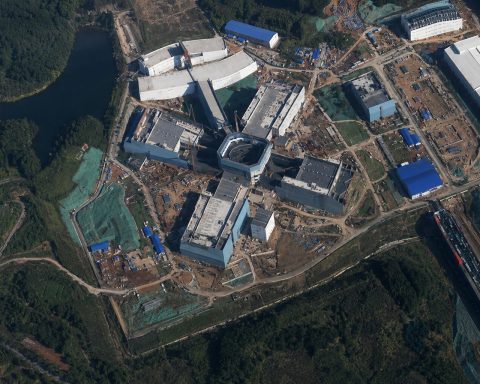
This desert network surfaces after earlier stories about a roughly 1,500-acre construction zone, situated about 30 km southwest of Beijing, which U.S. intelligence suspects could be turned into a wartime command hub fortified with underground bunkers. Newsweek flagged the site, known among some analysts as “Beijing Military City,” positioned near Qinglonghu and possibly set to take over from China’s aging Western Hills command post. Futura-Sciences, following up, called it a vast underground military installation near Beijing. Financial Times Newsweek Futura
Beijing insists its nuclear doctrine is strictly defensive. According to China’s foreign ministry, the country pledges never to use nuclear weapons first, “at any time and under any circumstances.” Reuters, however, noted that China’s defense ministry did not answer questions regarding new desert facilities, and the Pentagon wouldn’t comment on intelligence issues. China Foreign Ministry Reuters
U.S. and Russia continue to overshadow China when it comes to nuclear stockpiles, their arsenals still dwarfing Beijing’s. Still, a Reuters piece citing the International Institute for Strategic Studies notes that both U.S. officials and arms-control experts see China ramping up its atomic capabilities faster than any rival right now. The Pentagon, for its part, projects China will have 1,000 warheads by 2030.
But the images aren’t giving the whole story. Analysts speaking with Reuters pointed out those launch pads might just as easily be set up for air-defense missiles or electronic-warfare gear. Big pieces are still missing—no one knows for sure if any of the octagon-shaped sites actually store truck-mounted ballistic missiles or serve as locations for nuclear warhead assembly.
Picture a crisis flaring over Taiwan: both sides go after command and communications centers, and escalation risks quickly spiral out of control. Daniel Salisbury, a senior fellow at IISS, flagged the lack of a U.S.-China “culture of discussion” on nuclear risk—an absence that grows more dangerous as China expands, conceals, and interconnects its command network. Reuters
Right now, satellite images point to two connected developments: what appears to be a fortified command facility close to Beijing, plus a network in the desert supporting nuclear silos out in Xinjiang and Gansu. Whether Beijing intends to clarify how any of this aligns with its no-first-use policy—or simply let outsiders interpret the arrangement of pads, towers, and tunnels themselves—remains to be seen.