
MERRITT ISLAND, Florida, May 24, 2026, 17:06 (EDT)
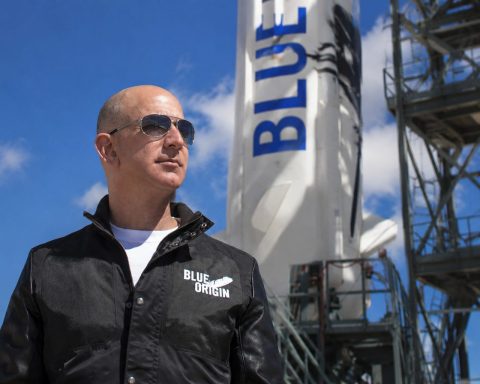
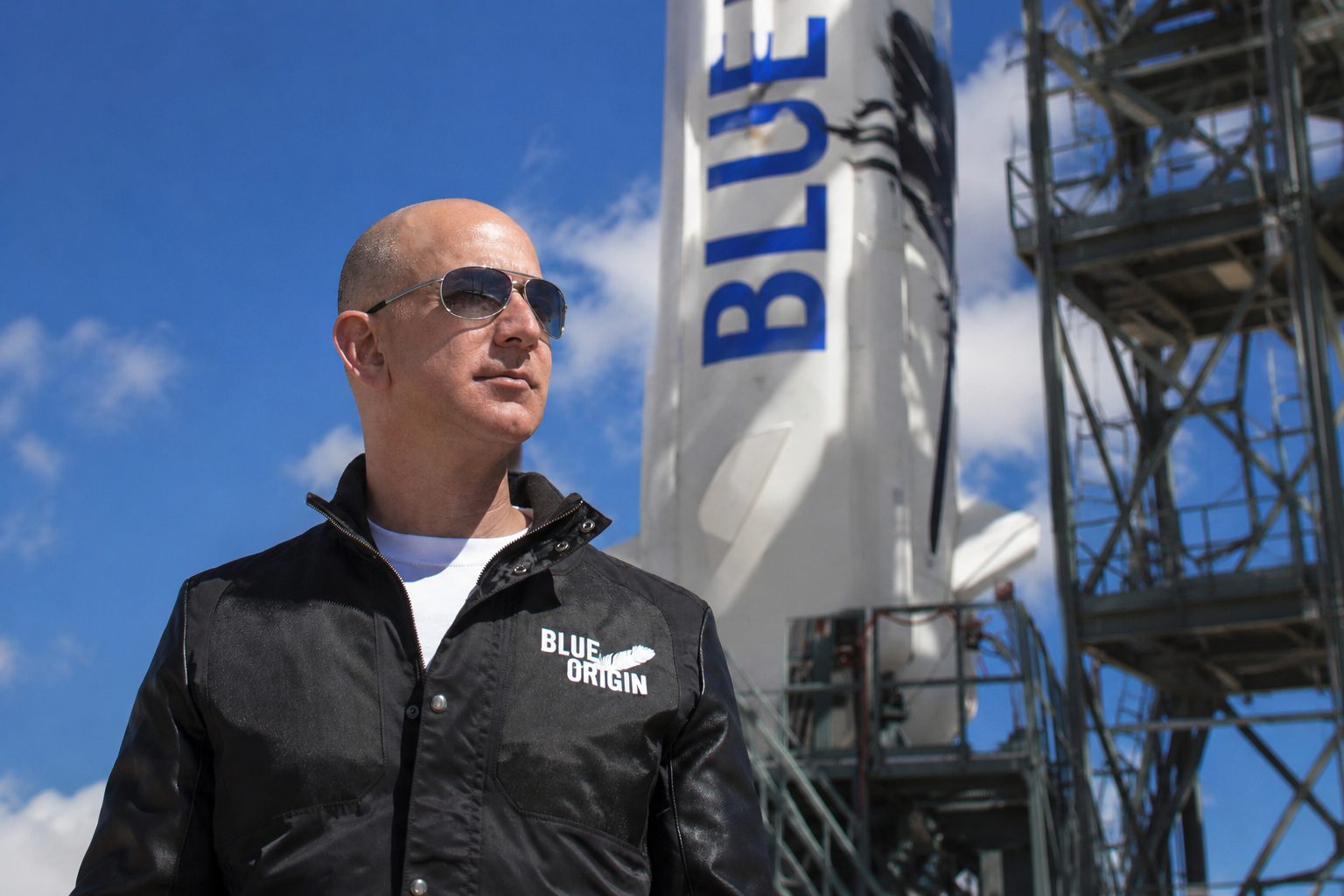
Jeff Bezos wouldn’t weigh in on what SpaceX might be worth as it eyes a public debut, sidestepping CNBC’s question on whether a $1.75 trillion or $2 trillion valuation could be justified. The Blue Origin founder admitted he’s not familiar enough with SpaceX’s books, but insisted, “space is going to be a gigantic industry.” Versant Press Room
The timing of the comment is notable. SpaceX could debut as soon as June 12 under the symbol SPCX, with a share sale possibly set for June 11 and a valuation hovering around $1.75 trillion, according to Reuters. The offering would mark the company’s first public share sale.
This isn’t just a space industry story. Business Insider notes SpaceX may join big indexes soon after its IPO, citing Jacob Friedman of Focused Wealth Management: “the biggest IPO in history is about to land in passive portfolios faster than anything comparable has before.” With only a small chunk of shares expected to be available to trade, early price swings could be intense. Business Insider
SpaceX’s S-1, the standard regulatory paperwork required before a U.S. IPO, painted a mixed financial picture. The filing reveals Starlink turned an operating profit of $1.19 billion in the first quarter. But the broader company is still deep in the red: SpaceX reported a $1.94 billion operating loss on $4.69 billion in revenue. The AI division is even further behind, posting a $2.47 billion loss against just $818 million in revenue, according to Reuters.
This is the flashpoint for the valuation debate. SpaceX pitched investors on a $28.5 trillion total addressable market—market-speak for the biggest revenue target imaginable—with the bulk of that number riding on AI, not rockets. Ryan Cummings, economist and chief of staff at the Stanford Institute for Economic Policymaking, dismissed the figure as “farcical,” according to Axios. Axios
Opinions are sharply divided when it comes to Musk’s track record versus the scale of the wager. “There is a ‘halo effect’ around Musk,” Georgetown finance professor Reena Aggarwal told Reuters, noting that SpaceX is tough to price given the lack of true comparables. Dennis Dick, proprietary trader at Triple D Trading, was more direct: “I’ll probably trade SpaceX but I don’t know that I’d be an investor.” Reuters
Competition’s fierce. SpaceX keeps pressure on with its reusable rockets and Starlink, pushing players like Blue Origin — backed by Jeff Bezos — to cut launch costs, build out satellite fleets, and hunt for government deals. Bezos’s public remarks tend to legitimize the sector itself rather than specifically backing Musk’s pricing.
The downside is coming into sharper focus too. According to Reuters, Grok—xAI’s chatbot and a part of SpaceX’s AI ambitions—barely shows up in U.S. government AI records, especially when set against OpenAI and other competitors. For some corporate buyers, that’s a red flag. Vineet Jain, CEO of Egnyte, likened it to a “canary in the coal mine.” Reuters
Governance could be a flashpoint. SpaceX wants a dual-class setup: Class A shares, sold to the public, get one vote apiece; insiders hang onto Class B shares, worth 10 votes each. That tilts power to Musk and his inner circle, letting them maintain firm control and qualify SpaceX as a “controlled company” under Nasdaq’s definitions. Fortune
Right now, Musk and Bezos are each pitching their own angle. Musk wants public investors to bet on a company whose backbone is rockets, Starlink, and unfinished AI infrastructure. Bezos, on the other hand, insists the industry’s substance is there—even if the valuation might not be. The market’s verdict could come in June.