
WASHINGTON, May 24, 2026, 15:01 (EDT)
- Earth’s night lights are getting brighter on the whole, according to new satellite maps, though some areas—including sections of Europe and the U.S.—are seeing declines.
- Now, the data tracks everything from energy access and blackouts to flare-ups at oil fields, conflict, and even light pollution.
- It’s not simply a 34% jump in brightness—some of that was knocked back by dimming, cutting into the total improvement.
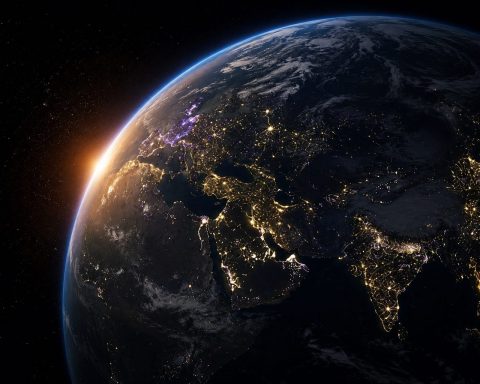
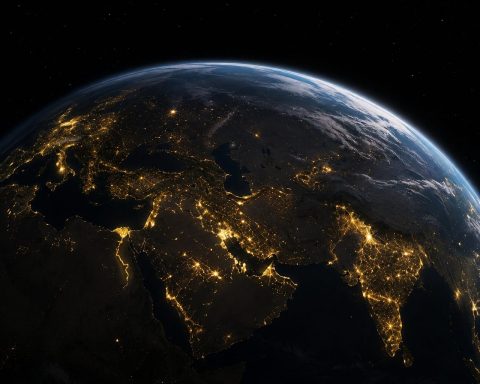
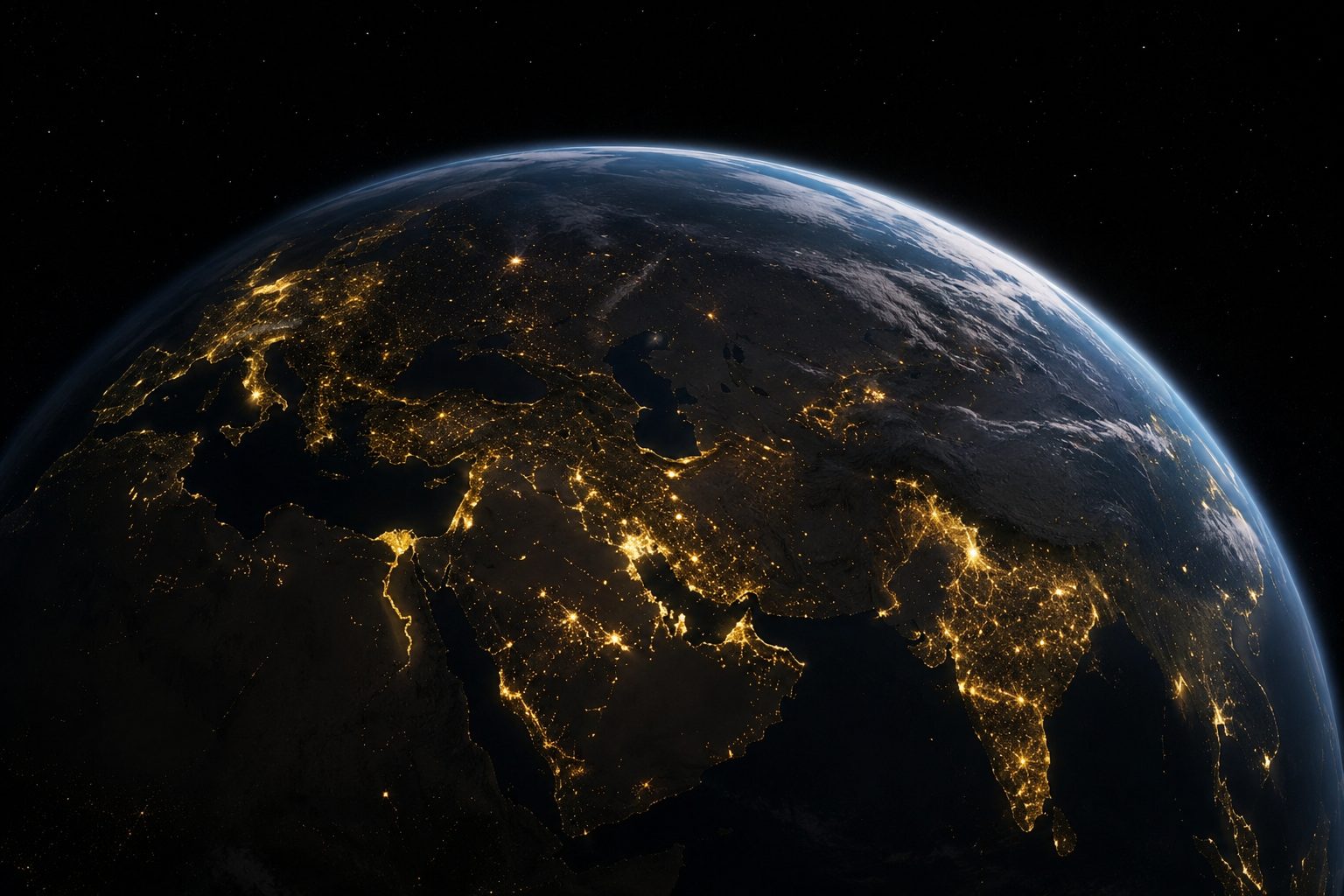
This month’s NASA satellite maps reveal a world heading in opposite directions after dark. Areas of Asia, Africa, and other developing regions are lighting up, while large stretches of Europe and parts of the U.S. are fading. The big picture: Earth’s nights aren’t simply getting brighter. Instead, shifting patterns in policy, conflict, energy demand and economic expansion are redrawing the global nightscape.
The significance now goes beyond just city snapshots. NASA’s Black Marble, relying on low-light sensors aboard Suomi NPP, NOAA-20, and NOAA-21, delivers daily, monthly, and annual data sets—with some products available within three hours. That’s enough speed for monitoring everything from light pollution to illegal fishing, gas flaring, and movements in conflict zones.
The Nature study that underpins the maps reports a 16% net uptick in artificial light at night (ALAN) from 2014 through 2022. Researchers measured a 34% increase relative to the 2014 baseline from areas that brightened, though dimming elsewhere erased 18% of that gain—so that headline growth figure warrants a closer look.
On Sunday, EarthSky highlighted some hopeful trends in the data: a few regions are managing to reduce light pollution. NASA’s maps use purple to flag areas where things have gotten dimmer—think northwestern Europe—while yellow and gold mark spots that have brightened.
Researchers sifted through 1.16 million satellite images, each snapped around 1:30 a.m. local time, spanning nine years and gathered by VIIRS—the Visible Infrared Imaging Radiometer Suite. According to NASA, the instrument is sensitive enough to spot something as small as a toll booth lit up along a dark highway. “Earth at night has so much to teach us,” said Miguel Román of NASA Goddard. NASA Science
Zhe Zhu, a remote-sensing professor at the University of Connecticut and the study’s senior author, described the light record as a “heartbeat of society.” According to UConn, the researchers tapped daily data to catch jolts that are often hidden in monthly or yearly averages, tracking signals from conflict, COVID-era shifts, and Europe’s energy reaction. UConn Today
Dimming doesn’t always signal improvement. Researchers connected steep drops in light to war and infrastructure breakdowns in places like Lebanon, Ukraine, Yemen, and Afghanistan, as well as drawn-out economic turmoil in Haiti and Venezuela. Europe’s story looked different: stricter energy policies, a shift to LED streetlights, and dark-sky initiatives drove its decline.
Space.com summed up the main issue with the images: Earth looks brighter at night, but not uniformly, and the changes don’t follow a simple pattern. Black Marble’s tech removes interference from moonlight, clouds, snow and the atmosphere, letting scientists focus just on artificial light. But as they point out, interpreting those lights still depends on real-world events.
Frequency sets the Black Marble apart. Earlier night-light datasets tended to offer only sweeping composites, but this satellite tool delivers nightly updates. That kind of granularity transforms city lights into a live readout—electrification, energy waste, public policy moves, and crisis response all leave their mark. In some cases, those dark spots matter just as much as the bright ones.