
Washington, May 18, 2026, 04:02 EDT
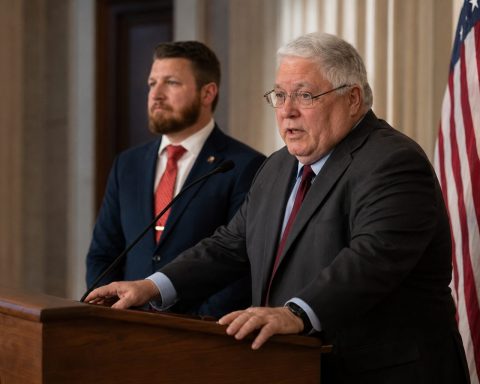
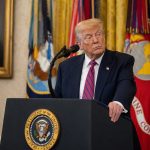
House Speaker Mike Johnson zeroed in on gasoline prices Sunday, tying Republicans’ midterm push directly to the reopening of the Strait of Hormuz—and signaling the party’s focus as it tries to keep control of the House in November. Johnson flagged stubbornly high prices at the pump in comments reported by The Hill, while Newsweek highlighted his move to connect the Hormuz tensions to GOP chances this fall.
On Fox News Sunday, Johnson blamed high gas prices on the strait, arguing that the impact hits everything from freight to grocery bills. He told viewers Republicans would shift focus back to “kitchen table” economic topics once the shipping route was “straightened out.” Fox identified Johnson as a guest for its May 17 broadcast. Newsweek
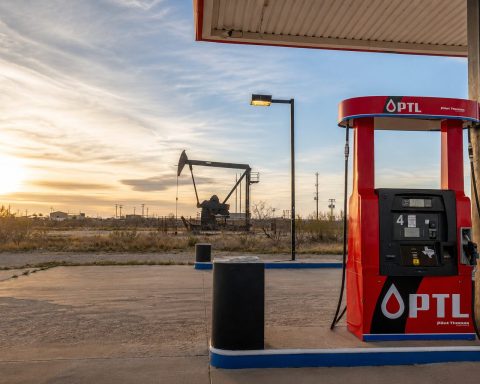
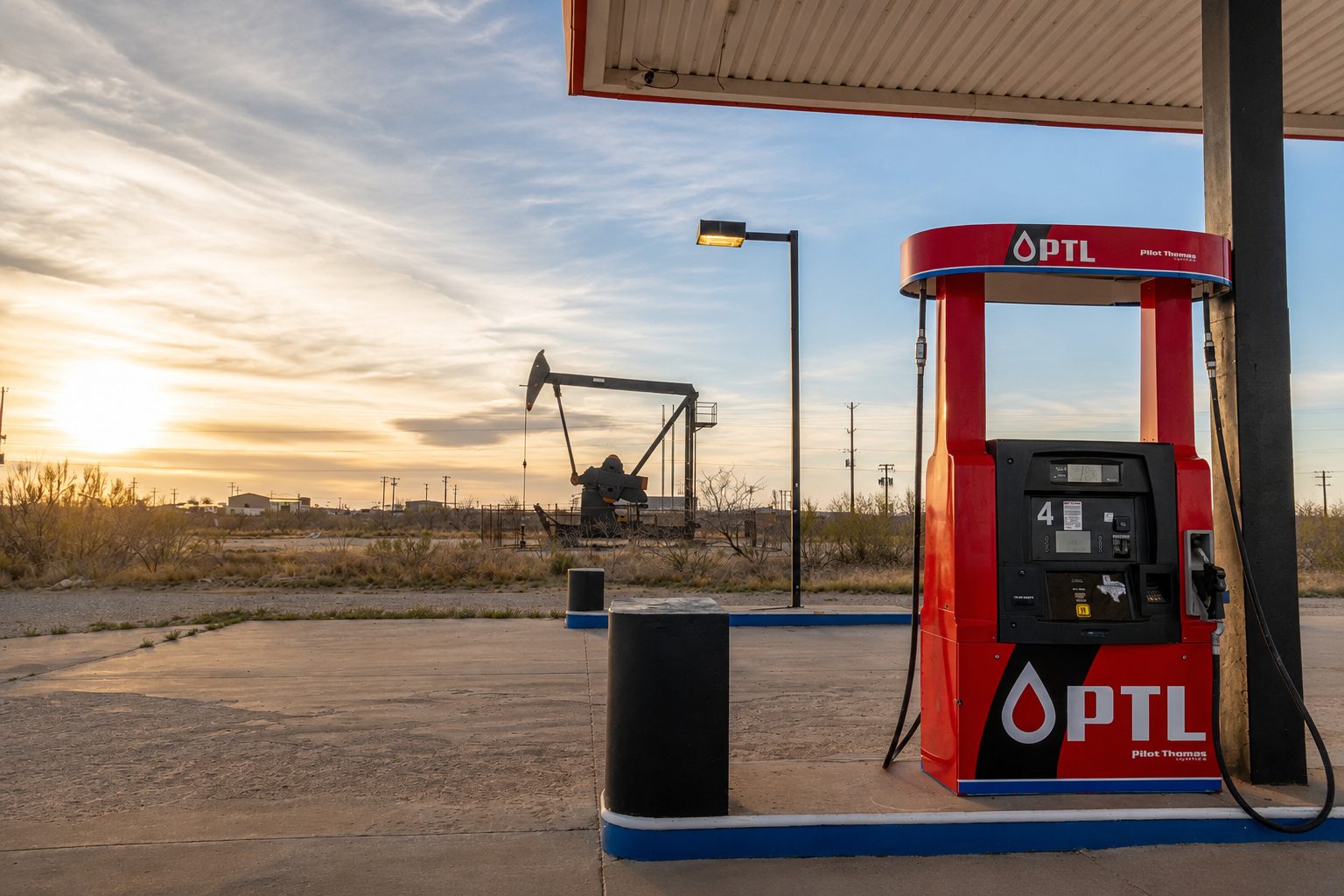
Now, the pump gives Americans a daily reminder of the war’s toll on their wallets. As of May 18, AAA listed the national average for regular gas at $4.515 a gallon. That’s a jump from $4.058 just a month prior, and a big leap from $3.179 a year earlier.
Republicans got scant help from oil prices on Monday. Brent crude climbed to roughly $110.91 a barrel, hitting its highest mark since May 5, while U.S. West Texas Intermediate hovered around $107.42. Both contracts jumped more than 7% over the past week as expectations for a swift resolution to the Iran war receded.
About 20% of the world’s oil and liquefied natural gas typically moves through the Strait of Hormuz, the narrow channel at the Gulf’s mouth. Now, vessel flows have fallen off a cliff—down to roughly 5% of usual traffic, according to Reuters.
“Iran has shifted from blocking Hormuz to controlling access to it,” Claudio Steuer at the Oxford Institute for Energy Studies told Reuters. “Hormuz is no longer a neutral transit route, it is a controlled corridor.” Reuters
This isn’t just about Johnson. Kevin McCarthy, the ex-House Speaker, tossed gas prices into the campaign fire as well, calling them “very important” for the midterms during a CNBC Television spot. Youtube
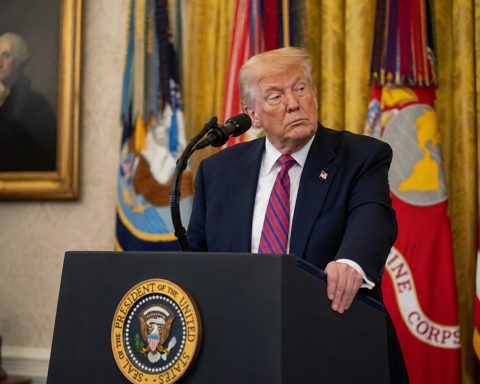
The White House is searching for ways to ease the pain. Last week, Reuters said President Donald Trump threw his support behind suspending the federal gasoline tax—about an 18 cent break per gallon, with prices still hovering above $4.50 on average across the country. Aides, meanwhile, have been fielding concerns from Republicans nervous about how voters might react.
Polling out Sunday from CBS News/YouGov highlights the shift: economic worries, inflation, and gas prices are front and center for Americans. But most respondents admitted they’re unclear on what’s unfolding in Iran or the Strait of Hormuz, according to the survey.
Earlier this month, a Reuters/Ipsos poll showed 63% of Americans say rising gas prices have squeezed their household budgets. The survey also found that 65% point the finger at Republicans, not Democrats—a notable warning sign for a party holding onto congressional majorities.
Republican strategists aren’t sugarcoating it: the fallout looks rough. “Right now, it’s bad. People are upset,” said Sarah Chamberlain, who heads the Republican Main Street Partnership, speaking to Reuters last month. Still, she held out hope for Republicans in the midterms—if tensions with Iran cooled off by summer and gasoline prices dropped. Reuters
Analysts aren’t calling for a fast resolution. IG’s Tony Sycamore pointed to this round of drone attacks as a signal: any new U.S. or Israeli strikes on Iran might unleash another wave of proxy hits on Gulf energy infrastructure.
The downside risk isn’t fading. The U.S. Energy Information Administration is now working off the assumption that the Strait of Hormuz stays essentially shut through late May, with officials saying crude could jump by $20 a barrel near-term if the halt drags into June. Capital Economics flagged the chance that a lengthy shutdown pulls down stockpiles and ratchets up the likelihood of a global recession.
Johnson’s campaign message faces a hurdle here. While Republicans are eager to focus on wages, taxes, and economic expansion, many voters can’t look past the $4.50 gas sign—driven by factors like war, shipping lanes, and oil futures outside Congress’s reach.