
CAPE CANAVERAL, Florida, May 21, 2026, 18:08 EDT
A used SpaceX Falcon 9 upper stage from a lunar mission in 2025 is on track to slam into the Moon on Aug. 5, according to projections. While the impact is set to carve out a new crater rather than cause any serious problems, it’s putting a sharper spotlight on private spaceflight’s approach to jettisoned hardware far from Earth.
Bill Gray at Project Pluto, known for tracking high-orbit debris, tags the rocket body as 2025-010D. He estimates impact at roughly 06:44 UTC—2:44 a.m. EDT—with a speed near 2.43 kilometers per second. The upper stage, which handles payload pushes post-booster separation, turns into space junk once its mission ends and control is lost.
It all comes down to timing. For now, the Moon stays undisturbed, but NASA, China, and a lineup of commercial players keep adding landers, orbiters, and other gear to cislunar space—the stretch between Earth and the Moon. “It doesn’t present any danger to anyone,” Gray told Space.com, though he flagged a larger issue: the way the industry deals with leftover hardware. Space
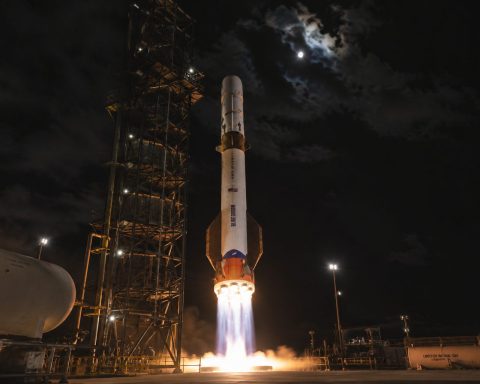
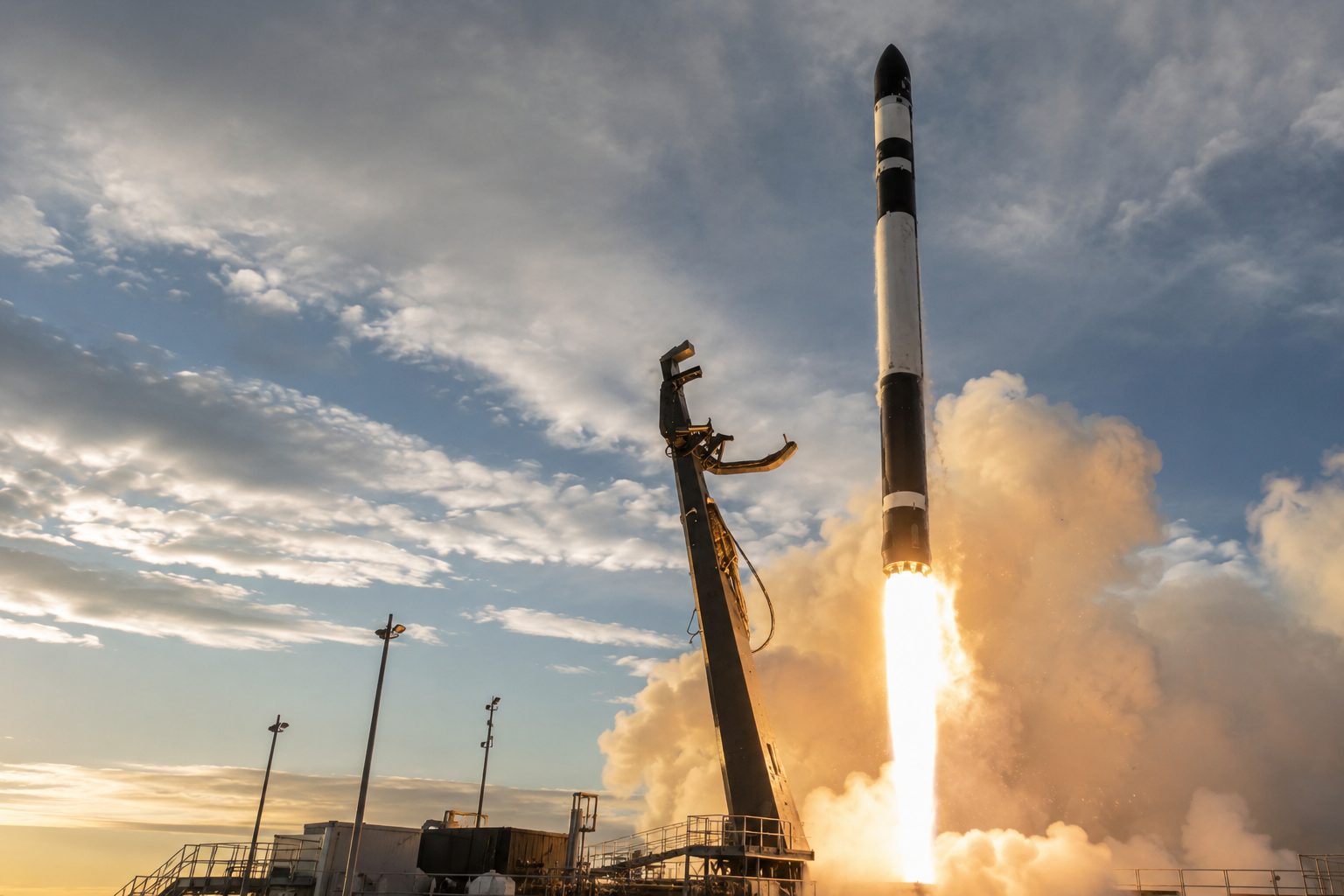
Falcon 9 blasted off from NASA’s Kennedy Space Center on Jan. 15, 2025, hauling Firefly Aerospace’s Blue Ghost lunar lander along with NASA instruments. All of it falls under CLPS — that’s the Commercial Lunar Payload Services program, where NASA opts for private delivery to the Moon instead of developing every transport system itself.
Firefly pulled off the one clear win from that flight. The Blue Ghost lander made it to the lunar surface near Mons Latreille in Mare Crisium on March 2, 2025, with 10 NASA science and tech payloads aboard. It ran for about one lunar day, which works out to around 14 days here on Earth.
Riding on the same launch, ispace’s HAKUTO-R Mission 2 lander—RESILIENCE—ended up crash-landing. After looking into it, the Japanese firm blamed the incident on an issue with the lander’s laser range finder, the key sensor for measuring distance to the ground. The company now plans to bring in external reviewers and step up testing for next time.
One lunar lander making it, another crashing, and now a rogue rocket stage on a collision course with the Moon — that’s enough to put lunar debris on the radar, even before there’s much built up there. Anncy Thresher, who teaches public policy, urban affairs and philosophy at Northeastern University, points out that “lunar infrastructure is sparse now, but that will change in the future.” Northeastern Global News
“We need to be proactive now about how to regulate and remove space junk,” Thresher said. She didn’t zero in on this particular collision, but laid out the bigger problem: as private launches accelerate, leftover equipment piles up, and once objects drift past well-monitored low Earth orbit, the rules start to thin out. Northeastern Global News
Rules exist, but consistency isn’t a given. NASA requires its flight projects to submit debris assessments and end-of-mission strategies. Broader U.S. government protocols push for safer flight paths, reduced accidental collisions, and proper disposal of hardware after missions to keep long-lived debris in check.
Europe’s stepped up its formal commitments. The European Space Agency points to its “Zero Debris” strategy, setting a target to drastically curb debris from missions in Earth and lunar orbits by 2030. Newer policies require proper disposal, cutting orbital lifetimes, and reducing the number of objects left behind during regular operations. European Space Agency
The outlook isn’t set in stone. Marco Langbroek of Delft University of Technology told Sky & Telescope that “cis-lunar space debris is difficult to track,” adding that solar radiation pressure—the faint shove from sunlight on a spinning object—makes those forecasts even trickier over time. It’s not a dramatic fireball people should worry about, but the risk of repeated, uncontrolled crashes as the Moon gains more landers, orbiters, and gear that need shielding. Sky Telescope
Human debris has struck the Moon in the past—think Apollo rocket stages and NASA’s 2009 LCROSS probe, both sent crashing down on purpose to hunt for water ice. But this time? Not intentional. The spent rocket stage comes courtesy of the emerging commercial lunar sector, making landfall before any cleanup guidelines exist.