
SAN FRANCISCO, May 22, 2026, 05:03 PDT
- OpenAI is gearing up to confidentially submit paperwork for a U.S. IPO in the next few weeks. The company could hit the public markets as soon as September.
- SpaceX has put its IPO documents on the table, offering investors a straight-up reference point for pricing out those expensive AI and infrastructure plays.
- Just days after OpenAI beat back Elon Musk’s lawsuit—a big legal hurdle out of the way, though competitive and legal risks still loom—the rush is on.
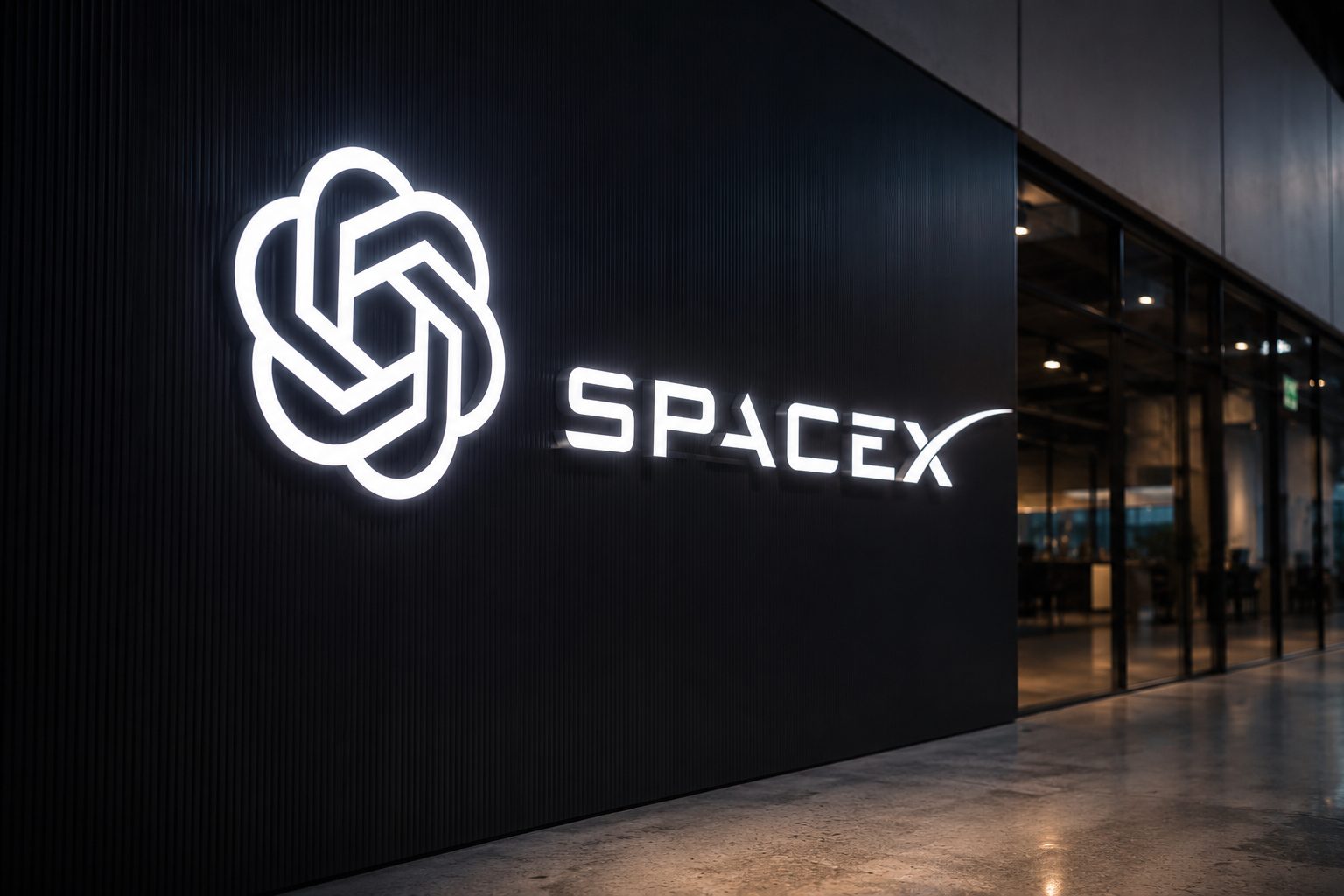
OpenAI is gearing up to submit confidential paperwork for a U.S. IPO in the next few weeks, potentially setting up a public listing as soon as September. That timing could stage an unusual direct comparison with Elon Musk’s SpaceX in the markets. An IPO marks the first time a company sells shares to the public.
The clock is ticking for Wall Street, now facing the task of putting a price tag on two private-market heavyweights—territory once dominated by the world’s largest public firms. OpenAI’s last known valuation hit $852 billion. Reuters has already floated talk of a possible IPO that could push that figure up to $1 trillion.
OpenAI has teamed up with Goldman Sachs and Morgan Stanley to prepare a draft prospectus and might submit a confidential filing as early as Friday, according to Bloomberg, which cited a source familiar with the matter. This type of confidential filing allows regulators to review the registration statement before it’s released to the public. In a statement, OpenAI said, “We regularly evaluate a range of strategic options. Our focus remains on execution.” The Edge Malaysia
Momentum on the filing comes right after a courtroom victory. On Monday, a jury in Oakland tossed out Musk’s claims against OpenAI, saying he waited too long to file and shutting down arguments about OpenAI abandoning its nonprofit roots. Musk is appealing.
“Taking care of that legal overhang cleared a big hurdle for OpenAI’s IPO and probably nudged the company to move up its timetable,” IPOX Vice President Kat Liu told Reuters. Liu added that IPO paperwork landing close to SpaceX’s would make portfolio managers weigh both firms “side by side.” Reuters
SpaceX investors have a lot on their plate. The company’s IPO filing revealed ambitions for a valuation up to $1.75 trillion, but also a first-quarter operating loss of $1.94 billion against $4.69 billion in revenue. After acquiring xAI in February, the AI division posted $2.47 billion in losses, with just $818 million in revenue.
The OpenAI-SpaceX analogy can’t really be dodged, awkward as it is. OpenAI pitches software, subscriptions, and big ambitions in AI models. SpaceX? Rockets, Starlink satellite internet, and a sprawling, Musk-run AI infrastructure angle—pricey and ambitious, front to back.
Competition keeps ramping up. According to Reuters, OpenAI has already overhauled its product roadmap twice in just the past few months as rivals Google and Anthropic turn up the heat. Bloomberg, meanwhile, reports the company is dealing with missed user and revenue goals, a slimmer product offering, and several top executives heading for the exits.
OpenAI’s reach is massive—Reuters tallied more than 900 million people using ChatGPT every week earlier this year, alongside a paying base north of 50 million consumer subscribers. No surprise then that bankers and investors are zeroed in: this listing sits among the year’s most heavily scrutinized tech offerings.
Public investors might not have the same tolerance for uncertainty as OpenAI’s private supporters. The company is still dealing with copyright claims and other lawsuits over its chatbot and how it trains models. Reuters said Thursday that OpenAI has now brought in upwards of a dozen outside law firms, gearing up for court battles, new deals, and the much-anticipated IPO.
Valuing companies like this? Not easy, and there’s no straightforward peer group. “It is difficult to value companies like this because there is no peer group for comparison,” Reena Aggarwal, finance professor at Georgetown University, told Reuters about SpaceX. The same uncertainty clouds OpenAI, as investors weigh AI’s potential against infrastructure spending and looming legal risks. Reuters
Right now, OpenAI is keeping things cautious—no confirmation on when a filing might come, and the timeline is still up in the air. Still, with the Musk verdict behind it and SpaceX’s public prospectus out, the company edges nearer to that moment when private AI optimism collides with the realities of public-market numbers.