
Pasadena, California, May 28, 2026, 09:04 PDT
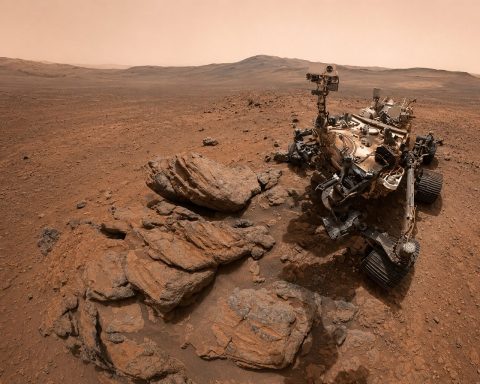
NASA’s Perseverance rover is closing in on a marathon’s stretch on Martian soil. After five years, the rover has logged 26.09 miles (41.99 km)—just shy of the classic 26.22 miles (42.2 km) that define the marathon standard. Perseverance, having left Jezero Crater and now moving into older, less explored ground, is heading into a phase marked by more ambiguity around its sample return mission. Mission manager Robert Hogg told Reuters he expects the milestone to be crossed within a month.
Mileage has become a key metric now that the rover’s left the familiar lake-and-delta zone and begun traversing much older Martian terrain. According to a NASA update from May 13, Perseverance is conducting its Northern Rim Campaign at Lac de Charmes, just west of Jezero. Project scientist Katie Stack Morgan at NASA’s Jet Propulsion Laboratory described the new territory as the “Wild West” beyond the rim. Perseverance remains “in great shape,” said acting project manager Steve Lee, as the team pushes for what he called “ultramarathon drive distances.” NASA
It’s not about how far Perseverance has traveled. NASA’s focus: finding out if Jezero ever offered an environment that could support life, hunting for traces of ancient microbes, and gathering rock and regolith—meaning loose stone and dust—for a potential return trip to Earth.
The trickier part now is the sample cache. According to NASA’s rock-sample page, 30 out of 38 sample tubes have been collected, in addition to three witness tubes. Those witness tubes serve as uncontaminated references, making sure no Earth material has made its way into the sampling setup.
Perseverance is offering NASA a fresh point of contrast with its other Mars rover, Curiosity. As Curiosity scales the relatively younger strata of Mount Sharp inside Gale Crater, Perseverance pushes deeper into terrain considered among the oldest in the solar system. NASA puts the distance between the two at roughly 2,345 miles (3,775 km).
NASA continues to call Mars Sample Return a joint effort with the European Space Agency, aiming to deliver chosen Martian material to Earth for the first time. According to the agency’s official mission page, the goal is to retrieve samples gathered by Perseverance for close analysis.
But that’s exactly where the risk lies. Back in January, Space.com noted that the NASA-ESA Mars Sample Return program was on the chopping block, following a House-passed funding package. Later, The Planetary Society described the mission as “formally canceled” in the 2026 budget, though Mars Future Missions funding still offered an opening for related projects. Victoria Hamilton, who chairs the Mars Exploration Program Analysis Group, told Space.com the rover’s cache contains “tantalizing samples”—the kind that could reshape how scientists think about life in the solar system. Space
NASA credits Perseverance with expanding its Mars strategy. Over five years, the rover pulled in upwards of two dozen samples—each one geologically distinct—probed water sites and possible habitats inside Jezero, showcased a helicopter flight beyond Earth, and ran a Martian oxygen test.
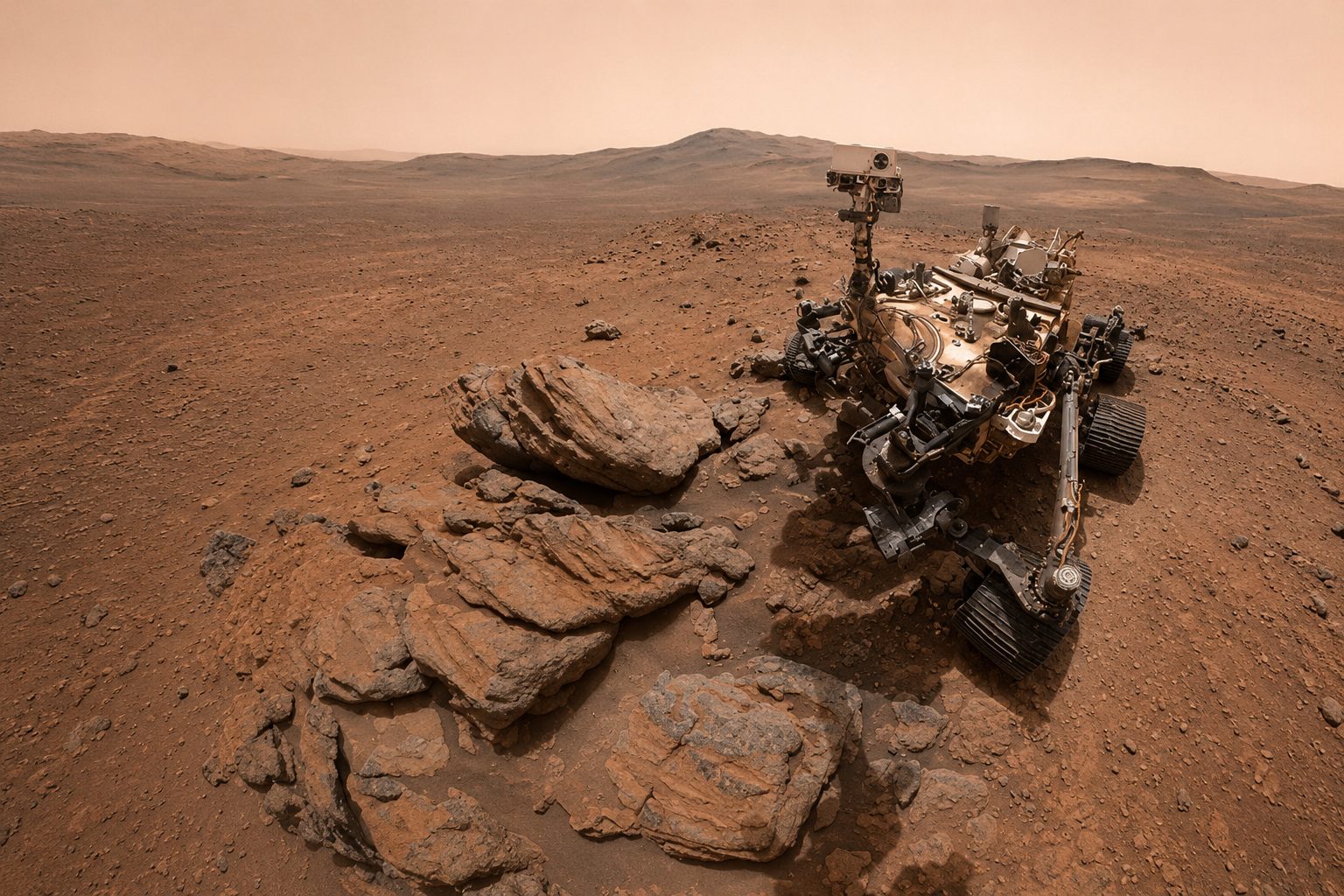
Images keep arriving. NASA’s raw-image archive highlighted a WATSON camera shot from May 22, Sol 1867—a Martian day counted as a sol—naming it the public Image of the Week for May 17-23. The marathon mark? Just a milestone. The real finish line: those collected samples.