
CAPE CANAVERAL, Florida, May 28, 2026, 18:04 EDT
On Aug. 5, a spent SpaceX Falcon 9 upper stage is expected to slam into the moon, according to Project Pluto’s Bill Gray. He estimates the collision will occur near the Einstein crater at around 06:44 UTC, with the rocket stage traveling nearly 5,400 miles per hour. The hit itself may be minor, but it stands out as private lunar missions ramp up.
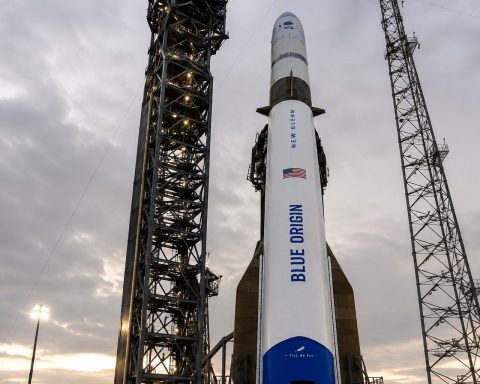
Tough timing. NASA handed out moon-base contracts this week, putting $188 million behind Blue Origin’s uncrewed cargo lander and also locking in deals with two rover makers. That’s more private hardware headed for the moon.
The move follows heightened scrutiny of SpaceX by regulators. On Wednesday, the Federal Aviation Administration said SpaceX must conduct a mishap investigation after the Super Heavy booster on Starship Flight 12 encountered problems during its return over the Gulf of America. According to the FAA, there have been no reports of injuries to the public or damage to public property.
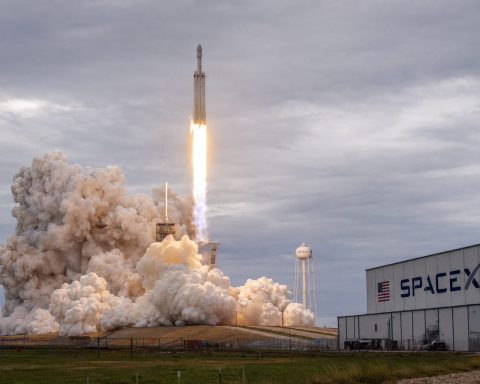
The piece of debris headed for the moon is the upper stage—the smaller part of the rocket that handles getting payloads beyond low Earth orbit but doesn’t come back. NASA reported that a Falcon 9 lifted off from Kennedy Space Center at 1:11 a.m. EST on Jan. 15, 2025, hauling Firefly Aerospace’s Blue Ghost lander along with NASA science gear as part of its commercial lunar program.
Gray pinned the object as 2025-010D—Falcon 9’s upper stage from the flight carrying Firefly’s Blue Ghost and Japan’s ispace Hakuto-R moon landers. Project Pluto reports it stayed in a high Earth orbit, with more than 1,000 observations logged by Feb. 26.
Firefly pulled off its segment of the launch. According to the company, Blue Ghost touched down at Mare Crisium on March 2, 2025, logging over 14 days of activity on the lunar surface—a marker of just how much private players are now woven into NASA’s lunar strategy.
No one’s at risk from the spent rocket stage, according to current projections. Still, the incident puts a spotlight back on a familiar question in a different context: after a mission ends and the moon becomes a regular destination, what’s the plan for all that launch hardware?
“Infrastructure on the moon is currently sparse enough that we aren’t too worried,” said Anncy Thresher, an assistant professor at Northeastern University specializing in public policy, urban affairs and philosophy. Still, she warned regulators should step in before things escalate. Northeastern Global News
But predicting the impact isn’t as exact as plotting a single point. Gray explained to Scientific American that solar radiation pressure — sunlight nudging the spinning rocket — creates “uncertainty of at least a few dozen kilometers” in where it finally lands, even with the crash basically a given. Scientific American
NASA is doubling down: more equipment, more landings, a permanent crew on the Moon. Speaking in Washington, NASA Administrator Jared Isaacman described the upcoming Moon Base as “America’s and humanity’s first outpost on another celestial world.” The agency’s plans now range from landers and rovers to drones, all destined for the lunar south pole. NASA
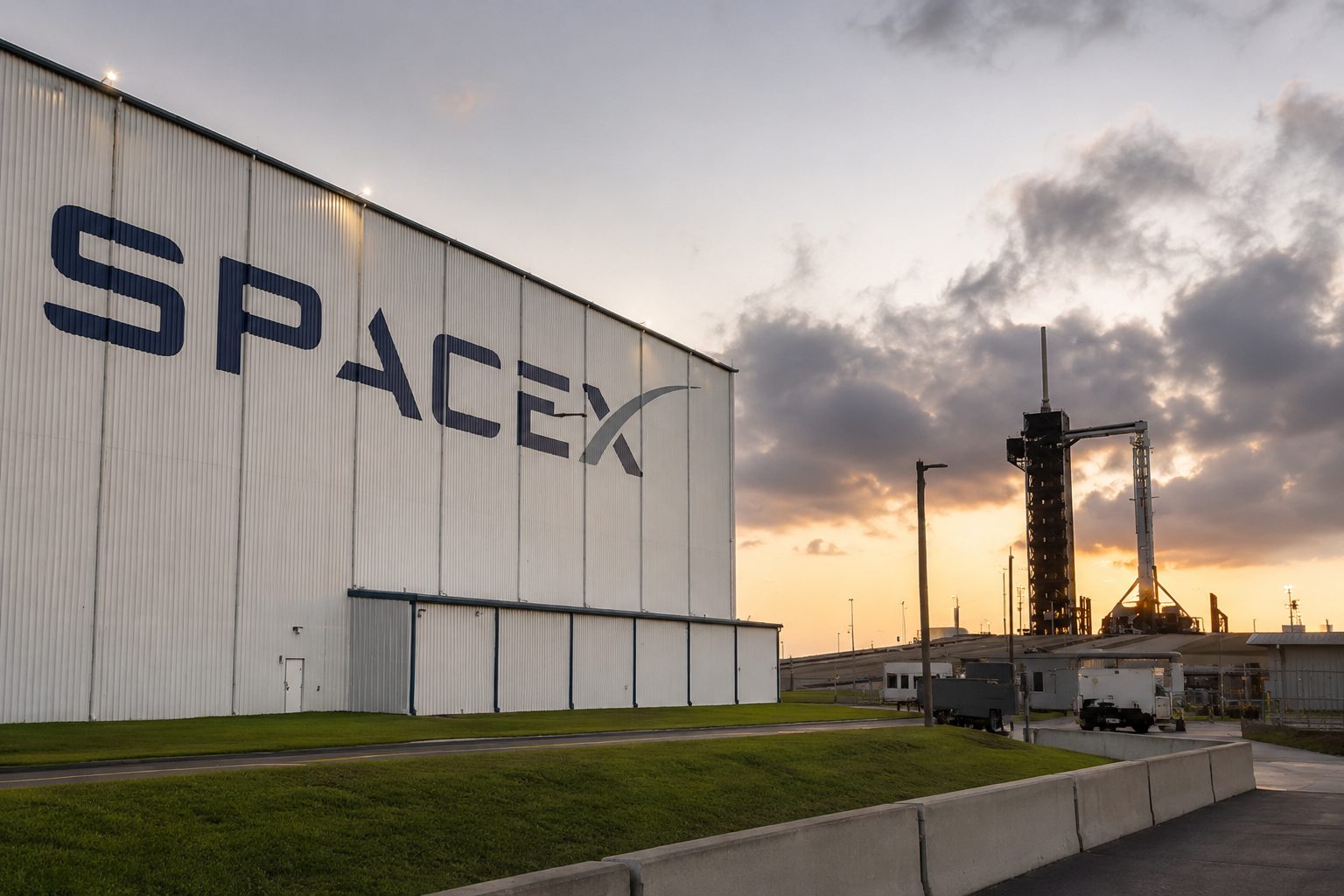
SpaceX faces a tricky situation here. Falcon 9 still shoulders the load for both commercial and government launches, but Starship is lined up to take center stage in NASA’s lunar ambitions, from moving astronauts to assembling infrastructure. The debris issue for now is minor. The trend, though, is clear.