
CAPE CANAVERAL, May 29, 2026, 07:00 ET
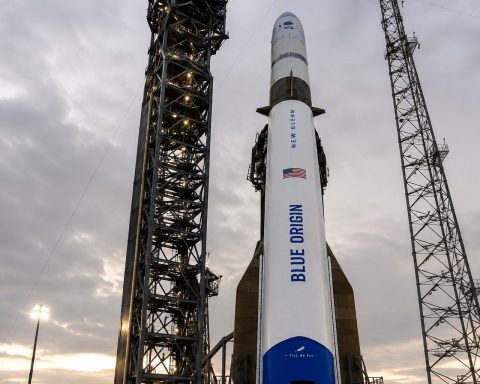
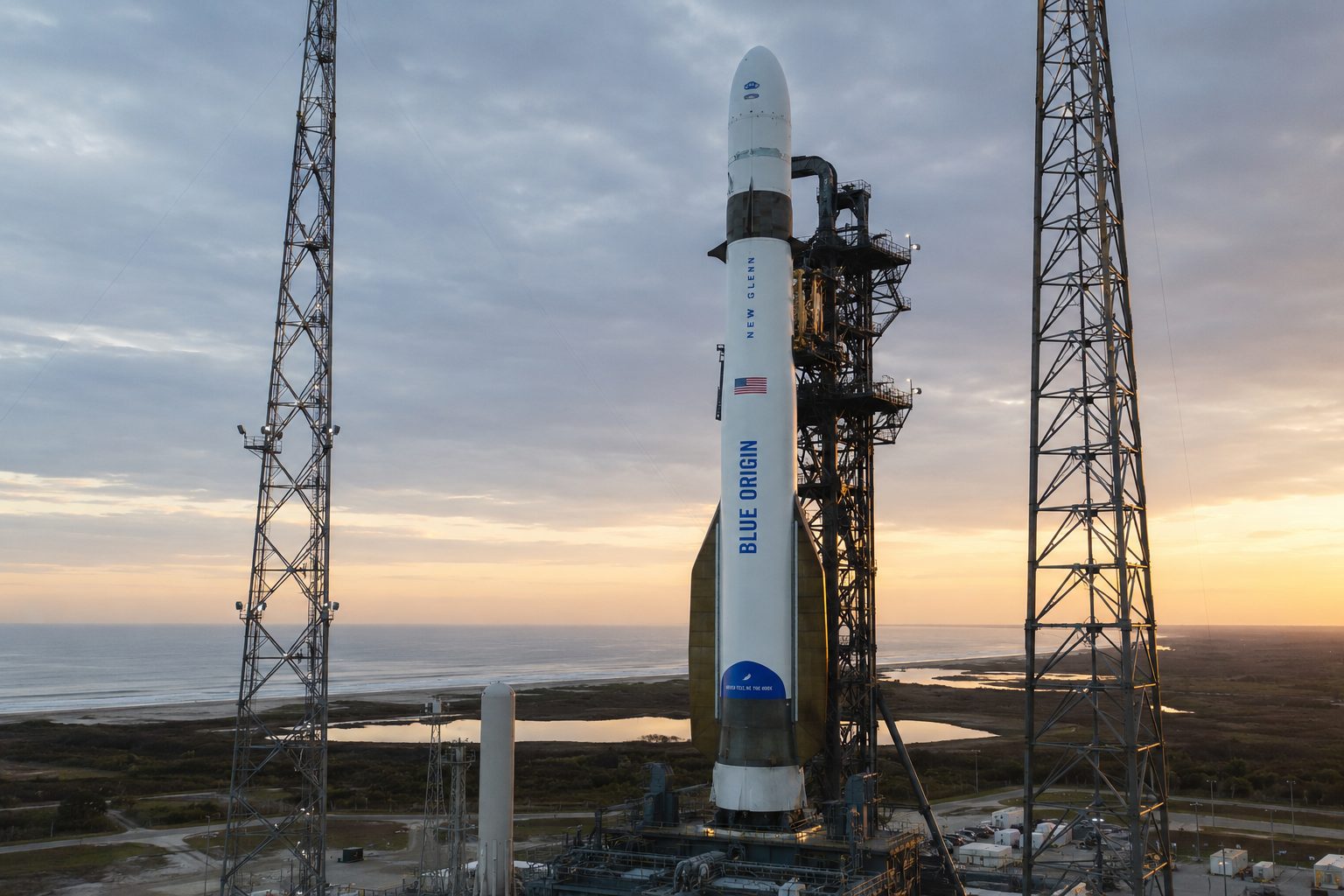
Blue Origin’s New Glenn rocket blew up on the launchpad in Florida late Thursday during an engine test, the company confirmed, pushing Jeff Bezos’ space venture into another probe as NASA moves closer to finalizing its next Artemis crewed mission. Officials reported no injuries.
The timing could hardly be more inconvenient. NASA is set to announce the Artemis III crew on June 9, but the mission’s objectives have shifted: it’s now being billed as a 2027 low-Earth-orbit docking test between Orion and commercial lunar lander systems instead of an actual Moon landing. Both Blue Origin and SpaceX are involved in the test.
Blue Origin’s New Glenn rocket was gearing up for its fourth flight, a launch slated to deliver 48 Amazon Leo satellites into low-Earth orbit. But according to Reuters, which cited a source with knowledge of the situation, the satellites weren’t yet loaded onto the vehicle. During the hot-fire test—when engines ignite as the rocket stays anchored to the pad—the anomaly occurred.
Blue Origin called it an “anomaly”—industry jargon for something going wrong, unexpectedly and possibly with major consequences. Bezos, for his part, said pinpointing the cause would take time, but pledged the company would regroup and fly again. AP News
NASA Administrator Jared Isaacman said the agency plans to coordinate with Blue Origin as the company investigates and evaluates possible effects on Artemis and Moon Base initiatives. “Spaceflight is unforgiving,” he told Reuters. Reuters
Artemis III’s mission plan was packed with challenges from the start. This month, NASA announced it’s racing to set up a crewed Earth-orbit test flight focused on docking maneuvers between Orion and lander prototypes built by Blue Origin and SpaceX. Jeremy Parsons, who works on NASA’s Moon to Mars program, described the upcoming flight as both an “important stepping stone” and among the agency’s most complex undertakings. NASA
Blue Origin is shifting from plans on paper to real hardware for its lunar project. As of May 7, NASA reported that astronauts are now using a full-size Blue Moon Mark 2 crew cabin mock-up at Johnson Space Center for training and testing. The exercises are designed to inform the lander’s final design.
The explosion comes on the heels of a NASA Moon Base development that ramped up Blue Origin’s responsibilities. NASA handed Blue Origin $188 million—plus a $280.4 million optional extension—to get lunar terrain vehicles to the Moon’s south pole, deploying its Blue Moon cargo lander for the job.
Blue Origin now finds itself juggling multiple NASA projects: Artemis III docking demonstrations, development of a cargo lander, and longer-term surface operations. Astrolab and Lunar Outpost have secured rover contracts; Intuitive Machines and Astrobotic are handling other initial Moon Base shipments. That diversification adds coverage for NASA, though Blue Origin remains central.
SpaceX is the key competitor here. Elon Musk’s outfit holds NASA’s other lunar lander contract and dominates both launch and satellite services. After footage surfaced of Blue Origin’s mishap, Musk weighed in: “Rockets are hard.” On top of that, Spaceflight Now flagged a Falcon 9 Starlink liftoff slated for Friday morning at Cape Canaveral—another reminder of the launch tempo Blue Origin still hasn’t matched. Reuters
The worry now is that figuring out what went wrong could drag on past the deadline. So far, officials haven’t pinpointed the cause, and NASA still doesn’t know if Artemis, Moon Base projects, or any other missions will face disruption. According to Space Launch Delta 45, other launch complexes on the Eastern Range are still up and running.
Next up isn’t a launch, but a crew reveal—NASA will name the Artemis III astronauts and share a mission update in Houston. The bigger uncertainty: can Blue Origin satisfy NASA’s timing concerns before those astronauts start preparing for a mission that’s expected to lower, not increase, risk?