
San Francisco, June 1, 2026, 05:03 PDT
- Anthropic now carries a higher valuation than the most recent private-market figure disclosed by OpenAI.
- Funds have started carving out space in their portfolios as a wave of big tech IPOs approaches.
- OpenAI’s public prospectus—once it lands—will gauge investor appetite for growth that’s tightly coupled with hefty AI computing expenses.
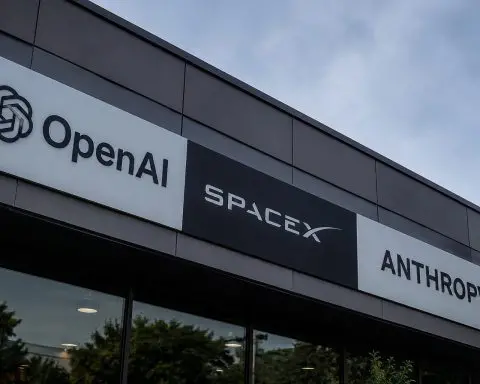
OpenAI’s path to a potential public debut just got steeper: Anthropic’s latest valuation leap has vaulted the Claude developer past the ChatGPT maker in private market standings, intensifying the rivalry over which AI powerhouse will lead the charge in this sector’s blockbuster IPOs. The Wall Street Journal, citing sources on Monday, said whoever lists first could secure a durable advantage—both in tapping capital and in shaping how investors value the space.
This is coming to a head now because the IPO window’s filling up fast. According to Reuters, big mutual funds and passive index players are stashing cash and shifting allocations as they prepare for heavy-hitters like SpaceX and OpenAI to hit the public market. John Flood, a Goldman Sachs managing director, noted that investors are “increasingly focused” on how these looming IPOs could shake things up. An IPO—initial public offering—marks the first time a company’s shares are sold to the public. Reuters
OpenAI plans to confidentially file for a U.S. IPO within weeks and could hit the public markets as soon as September, according to a May 20 Reuters report citing people with direct knowledge. The company’s settlement with Elon Musk cleared a significant legal hurdle, IPOX Vice President Kat Liu noted, and may prompt portfolio managers to size up OpenAI against SpaceX.
A confidential filing keeps the numbers under wraps, at least at first. According to the U.S. Securities and Exchange Commission, companies can send in draft registration statements for a nonpublic review. But when it comes to IPOs, they’re required to make the registration statement—and any earlier nonpublic drafts—public at least 15 days before a roadshow, those investor meetings that help drum up interest for the stock sale.
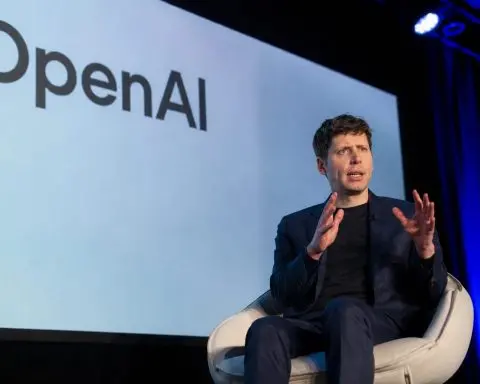
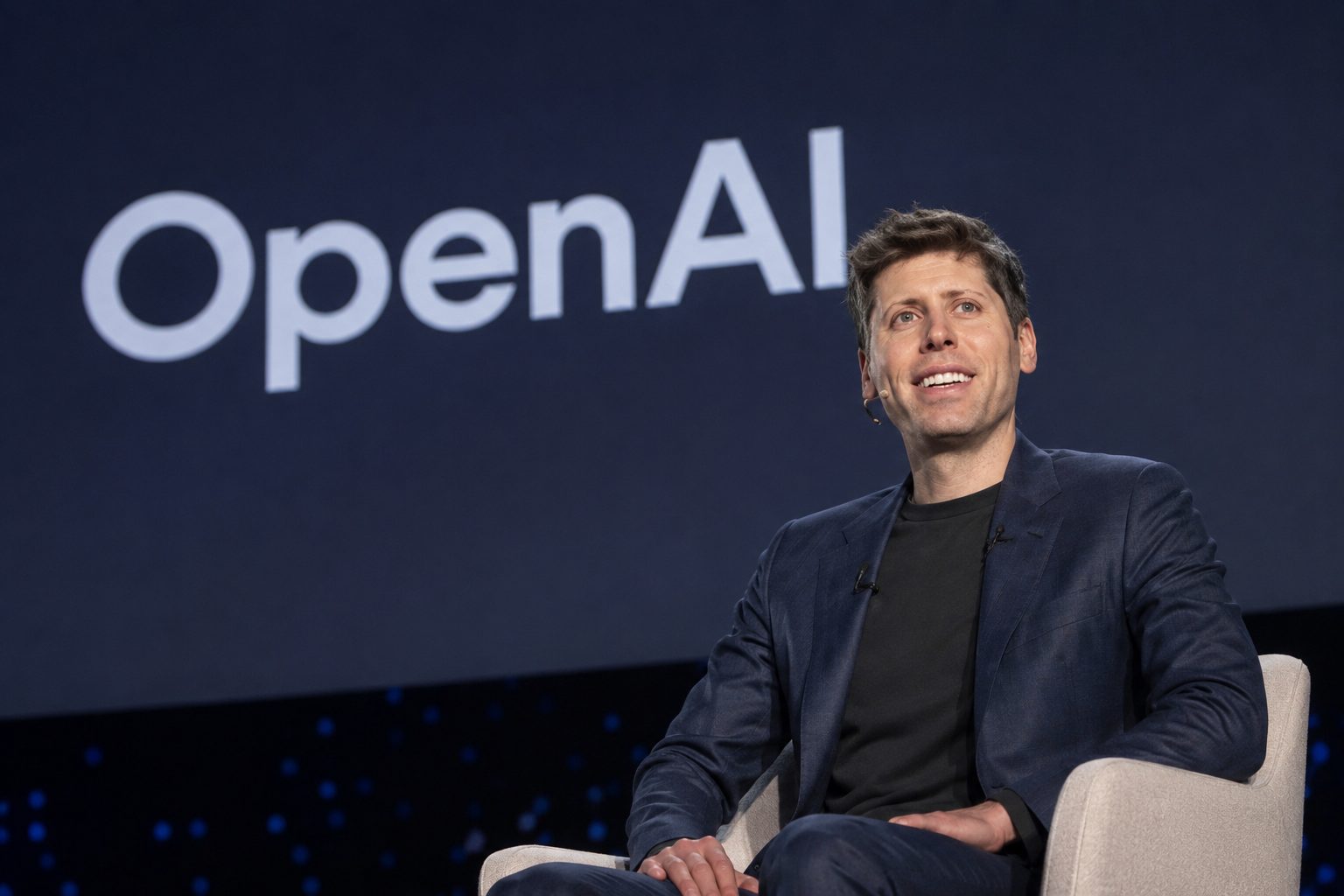
According to Forbes—which referenced previous Wall Street Journal coverage—OpenAI may submit IPO paperwork as soon as SpaceX does, putting Sam Altman’s AI firm on a collision course with Musk’s aerospace outfit. OpenAI’s aiming for a September debut following Altman’s courtroom win over Musk, the report noted.
OpenAI’s most recent funding update puts some serious heft behind the name. Back in March, the company reported locking in $122 billion in committed capital, pegging its post-money valuation at $852 billion. Monthly revenue? $2 billion, according to OpenAI.
Anthropic has reset the benchmark. On Thursday, the company announced a $65 billion fundraising round, valuing it at $965 billion post-money—well over twice what it was worth in February. Earlier in May, run-rate revenue topped $47 billion, according to the firm. Reuters says both Anthropic and OpenAI are looking to hit public markets, perhaps as soon as this year, aiming to secure the computing resources critical for training and operating their models.
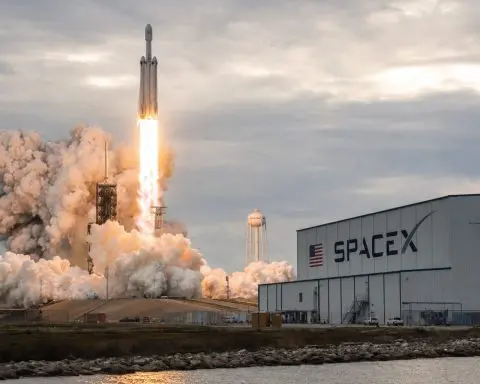
SpaceX is also in the spotlight. Elon Musk’s company made its U.S. IPO plans public on May 20, according to Reuters, aiming for a roadshow on June 4 and looking to start selling shares as soon as June 11. Should SpaceX secure more than $25.6 billion, it would edge out Saudi Aramco’s 2019 debut for the record of largest IPO globally.
OpenAI heads into the process with a significant legal threat off its back—though reputational questions linger. On May 18, a U.S. jury in Oakland, California, sided with the company and rejected Musk’s claims it had abandoned its founding mission. “A huge win” for Altman and OpenAI, Wedbush analyst Dan Ives said. Reuters
There’s a risk the market could lose patience before OpenAI’s numbers come out. Any confidential IPO filing might get delayed or dropped, and once a prospectus lands, investors are left to sort through revenue quality, losses, funding requirements, governance, plus rivals like Anthropic and Google. Reuters noted that even the biggest IPOs can start with a light index weighting, and when lockups end—typically 90 to 180 days post-listing—insiders might start selling.
OpenAI’s challenge is sharply defined at this point: hang onto investor focus while Anthropic boasts a higher private valuation and SpaceX heads to the public market first. What matters next isn’t another private valuation update, but the public filing—where investors will see exactly what OpenAI’s growth is costing.