
CAPE CANAVERAL, Florida, June 2, 2026, 13:06 (EDT)
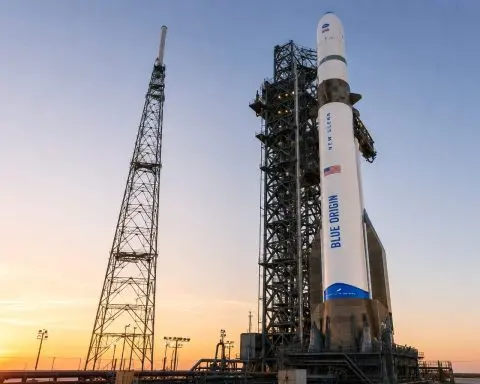
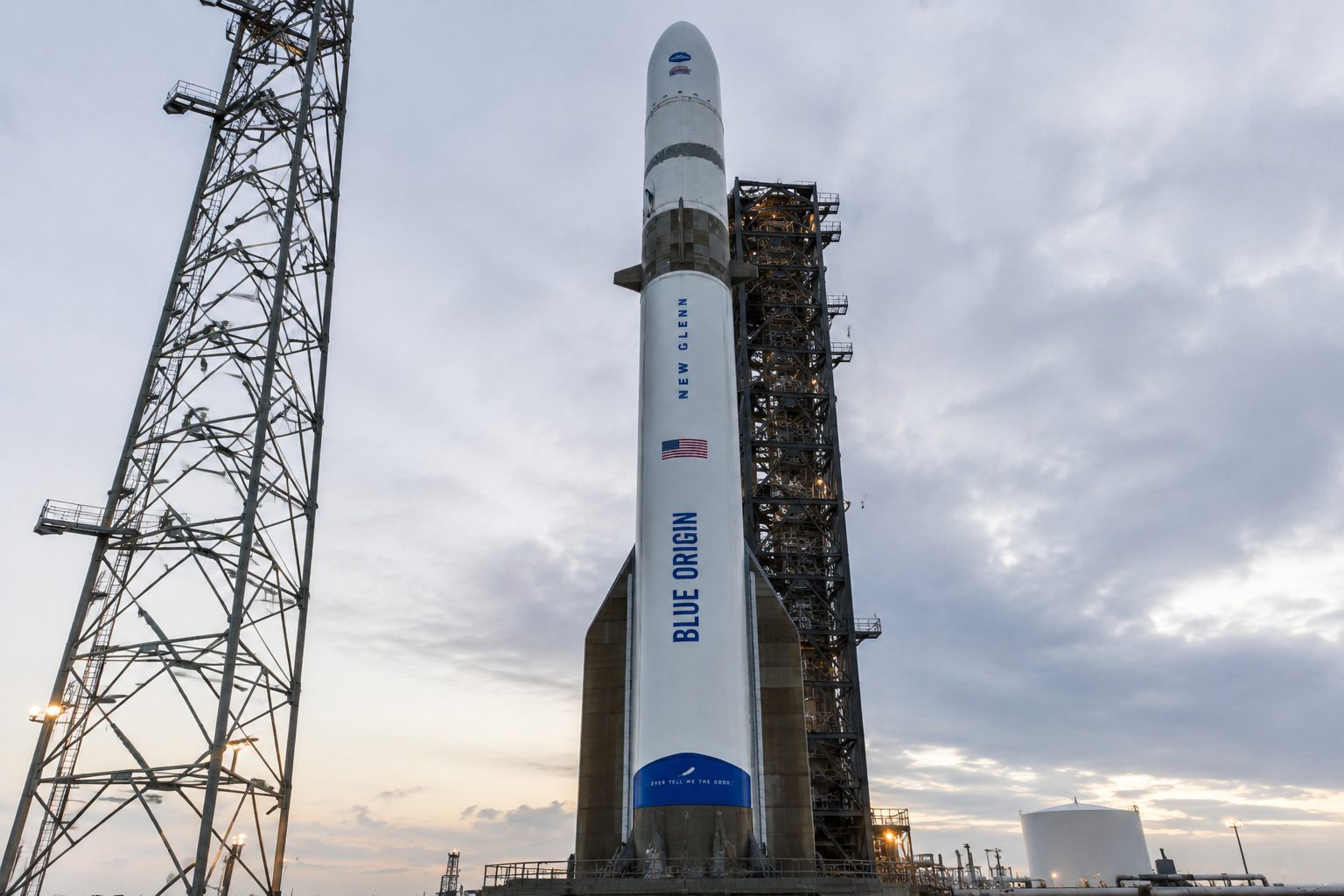
Blue Origin is aiming to get its New Glenn rocket flying again before 2026 wraps up, CEO Dave Limp said, following an explosion that hit the company’s sole New Glenn launch pad and knocked out a NASA system crucial for Artemis moon missions. That timeline buys Jeff Bezos’s company a bit of leeway—but it’s tight.
This comes at a tricky moment for NASA, with the agency set to announce the four Artemis III astronauts on June 9 in Houston. The mission, however, is now pitched as a 2027 demonstration of rendezvous and docking — linking Orion with commercial lunar landers in orbit — rather than an actual lunar landing.
This is a big deal because New Glenn is part of Blue Origin’s Blue Moon lunar lander effort—one of NASA’s two commercial options for reaching the moon, the other being SpaceX’s Starship. NASA Administrator Jared Isaacman told CNBC that fixing the launch pad may require “some serious time,” and put a 2028 target “within the realm” of possibility. NASA’s aiming for that year—2028—for the first astronaut landing on the moon since Apollo 17 back in 1972. Reuters
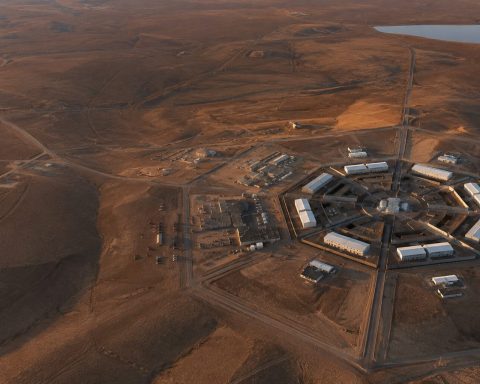
On May 28, the New Glenn rocket blew up during a static hot-fire test at Cape Canaveral Space Force Station—engines firing, but the vehicle anchored to the ground. No one was hurt. The Amazon Leo internet satellites scheduled for launch? Still on the ground, yet to be loaded.
Blue Origin’s methane, hydrogen, and oxygen tanks are “all in good shape,” according to Limp, who also noted that the neighboring rocket hardware seems untouched. He described that as “a bit of good news,” adding: “We will fly again before the end of this year.” The cause is still being looked into. Reuters
Just days before, NASA locked up more lunar contracts: Astrolab landed $219 million, and Lunar Outpost picked up $220 million for their lunar terrain vehicles—rovers meant for astronaut driving or remote control. Blue Origin, for its part, secured $188 million to handle the delivery to the lunar south pole and could see another $280.4 million if options are exercised.
The risk has become obvious. Blue Origin is working with just one active New Glenn pad, and its lunar cargo ambitions are tied entirely to that vehicle. If repairs drag on or engineers have trouble getting to the bottom of the problem, NASA may have to adjust timelines or rely more on SpaceX. “Blue Moon is a good lander,” said Kathleen Curlee, commercial space industry research analyst at Georgetown University’s Center for Security and Emerging Technology. “But you cannot get it to the moon without New Glenn.” Space
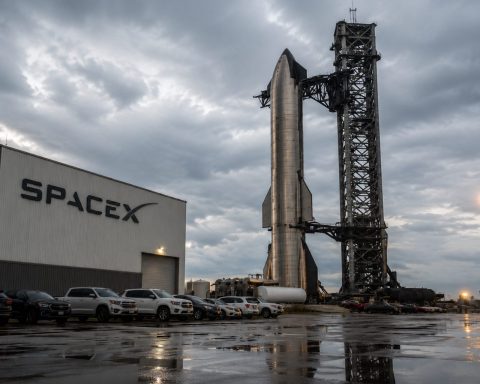
SpaceX has run into Starship test issues of its own, making clear this isn’t just about Blue Origin missing the mark. But the New Glenn explosion throws that gap into sharper relief: SpaceX keeps churning out launches with more robust infrastructure, while Blue Origin still needs to demonstrate its heavy-lift rocket, which has only managed a few flights so far.
The timing isn’t great for Blue Origin, which had only recently started making headway with Blue Moon. Back in May, NASA reported that a full-size mock-up of the Blue Moon Mark 2 crew cabin was up and running at Johnson Space Center. There, astronauts and mission controllers have been able to run through mission drills, test spacesuit procedures, and get ready for simulated moonwalks.
Blue Origin wrapped up environmental tests on its uncrewed Blue Moon Mark 1 lander, Endurance, putting it through its paces in a NASA vacuum chamber in Houston. The goal: show the lander’s systems can handle the vacuum and wild temperature shifts it’ll face in space—prerequisites for its cargo run to the lunar south pole.
NASA laid out its Moon Base initiative in Washington on May 26, detailing that three early infrastructure missions are on the books for this year. Among them: Blue Moon Mark 1, targeted for no sooner than fall 2026, aims for the Shackleton Connecting Ridge close to the lunar south pole. Isaacman called the proposed base “humanity’s first outpost on another celestial world.” NASA
NASA hasn’t shifted its Artemis III timeline or the 2028 lunar landing target. Right now, actual launch dates hinge on the technical side: the ongoing New Glenn review, progress on pad repairs, Blue Moon’s development milestones, and which lander—SpaceX’s or Blue Origin’s—can actually meet Orion in orbit before NASA gives astronauts the green light.