
SAN FRANCISCO, June 3, 2026, 05:02 PDT
- SpaceX plans to set its IPO price at $135 a share, aiming to raise $75 billion at a $1.75 trillion valuation.
- Anthropic has confidentially filed for a U.S. IPO, putting pressure on OpenAI’s own reported plans.
- OpenAI CEO Sam Altman said going public is “a financing event,” not a timing race.
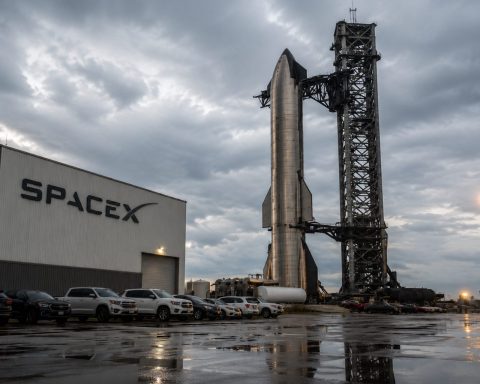
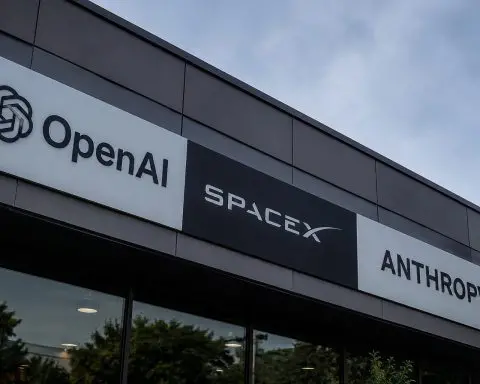
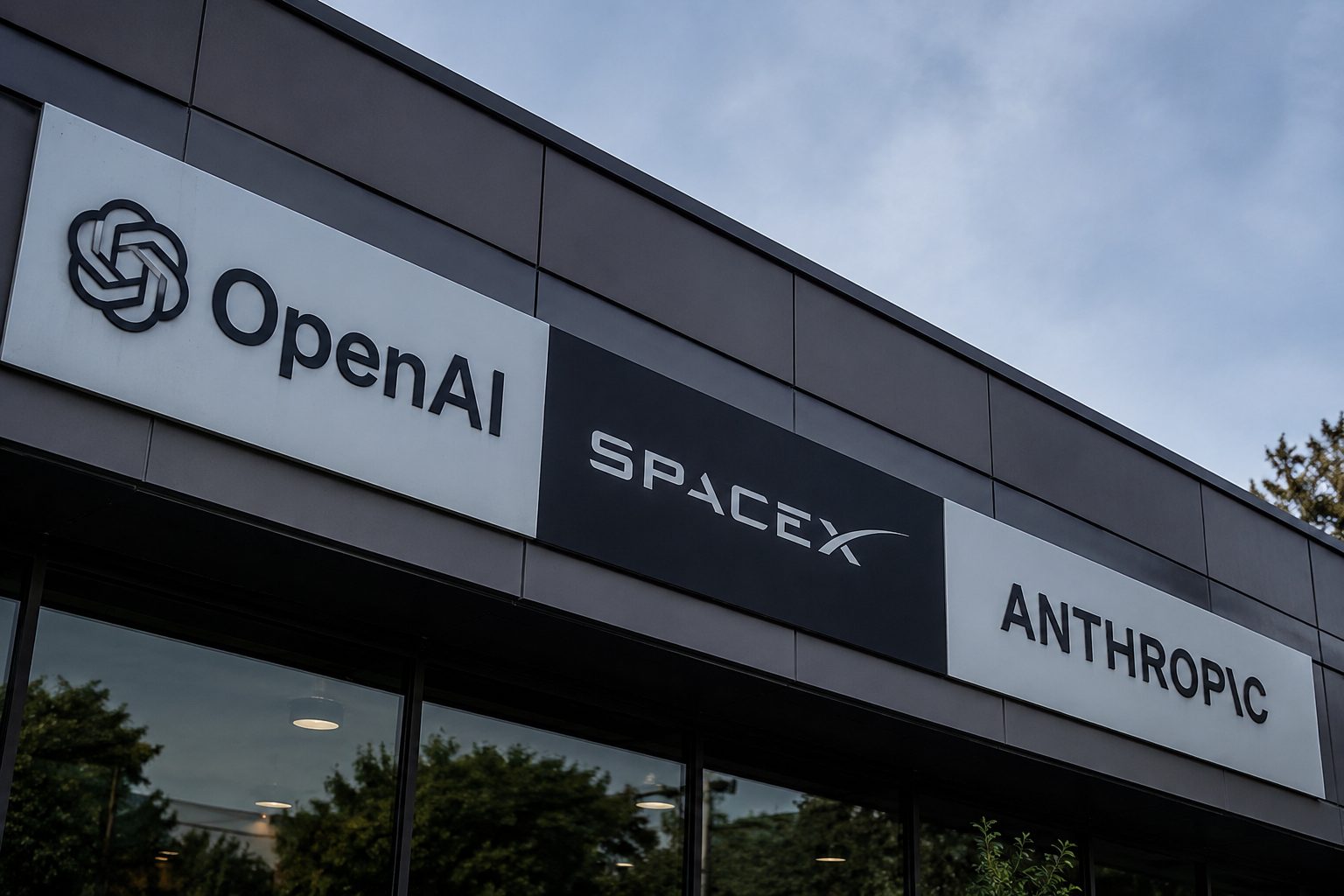
OpenAI’s expected initial public offering, a first sale of shares to public investors, is now running into a faster-moving market: SpaceX plans to set a fixed IPO price of $135 a share as Anthropic has already submitted confidential listing paperwork.
That changes the story around OpenAI. Less than two weeks ago, the ChatGPT maker was reported to be preparing its own confidential filing and aiming for a possible September debut. Now public-market investors may get SpaceX’s rocket-and-AI pitch first, and Anthropic’s financials before OpenAI’s.
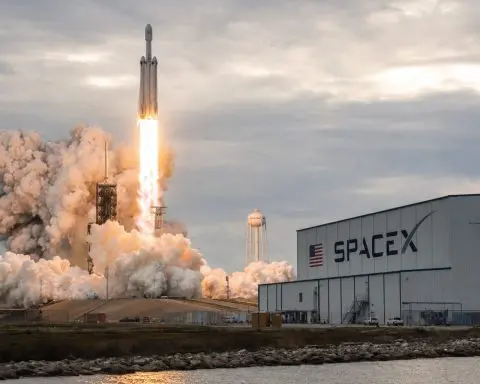
SpaceX plans to sell 555.6 million shares and raise $75 billion, according to a person familiar with the matter cited by Reuters. The company is targeting a $1.75 trillion valuation, with trading expected on Nasdaq under the ticker “SPCX” as soon as June 12. Reuters
The planned SpaceX offering is unusual. Companies normally give investors a price range, test demand during a roadshow and then set a final price. Weiheng Chen, a senior partner at Wilson Sonsini, told Reuters that Musk is taking a “take-it-or-leave-it” approach that may work given the lack of comparable companies. Reuters
Anthropic, the maker of Claude, said on June 1 it confidentially submitted a draft S-1 registration statement to the U.S. Securities and Exchange Commission. A draft S-1 is preliminary IPO paperwork that lets regulators review a company’s proposed listing before full financial details become public. Anthropic said share count, price and timing had not been set.
The move put Anthropic ahead of OpenAI in the formal IPO process. Reuters reported that Anthropic last raised $65 billion at a $965 billion post-money valuation, above OpenAI’s last reported $852 billion valuation, and that OpenAI was also preparing to file confidentially in the coming weeks.
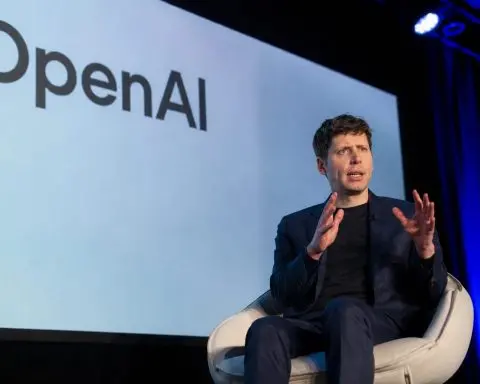
OpenAI has tried to cool the idea of a sprint to the stock market. Altman told CNBC on June 1 that “there is a race to deliver the best technology and build the best business,” but said going public is “a financing event” and not something OpenAI is focused on timing. “We’ll do it when we think it makes sense,” he said. Versant Media Press Room
Still, timing matters. Kat Liu, vice president at IPO research firm IPOX, told Reuters that filing soon after SpaceX lets Anthropic tap strong investor demand while the market window remains open. Harrison Rolfes, a senior analyst at PitchBook, said Anthropic may have seized the narrative advantage, but OpenAI can now watch how investors react to “audited frontier AI financials” before fixing its own price. Reuters
OpenAI’s path cleared somewhat in May after a U.S. jury ruled against Elon Musk in his lawsuit accusing the company of straying from its founding mission. Wedbush analyst Dan Ives told Reuters the verdict removed a significant overhang to a potential OpenAI IPO, while Musk said he planned to appeal.
But the risk is valuation, not just timing. Morningstar analyst Nicolas Owens valued SpaceX at $780 billion, less than half its reported IPO target, and said xAI’s Grok chatbot was not among the leading AI labs. “We think the company has been significantly overvalued,” Owens said, adding that investors may get better entry points after the IPO. Reuters
SpaceX’s filing also shows why investors may be careful with the next wave. The SEC filing was made public on May 20; Reuters reported SpaceX’s 2025 revenue rose to $18.67 billion but the company swung to a $4.94 billion net loss. An all-primary IPO, meaning all proceeds go to the company rather than selling shareholders, would fund AI computing resources and satellite expansion.
For OpenAI, the comparison is blunt. SpaceX brings Musk, Starlink and xAI. Anthropic brings a formal filing and a higher recent private valuation. OpenAI brings ChatGPT, deep demand for computing power and a brand that helped define generative AI. Public investors will soon ask a less forgiving question: which of them can turn that demand into durable profit.