
NEW YORK, June 5, 2026, 13:05 (EDT)
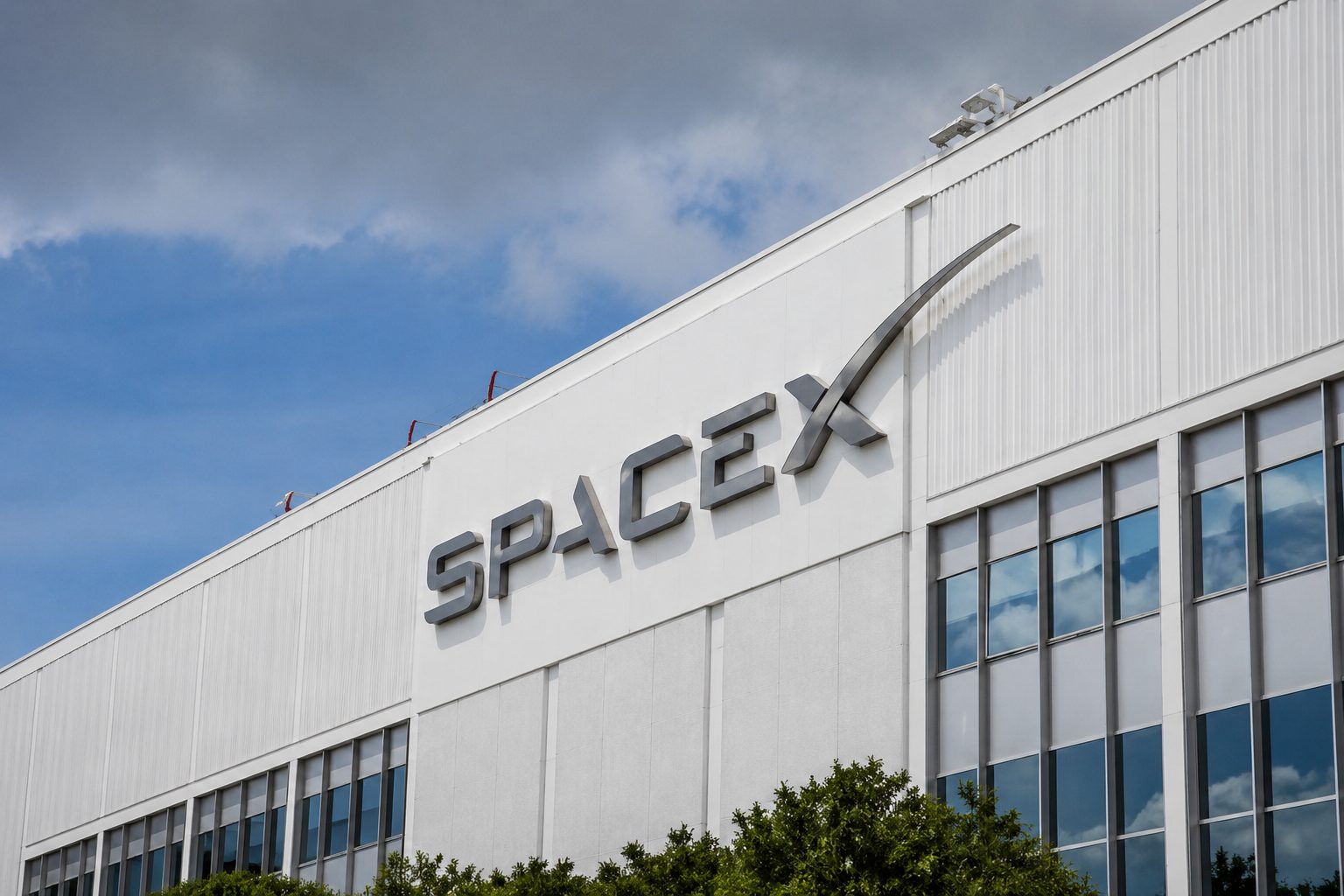
SpaceX is sticking to its $135 a share price as it eyes a massive $75 billion IPO, but S&P Dow Jones Indices isn’t budging on its S&P 500 criteria. That means Elon Musk’s rocket and satellite venture will enter its final pre-listing stretch with surging demand and a towering valuation—but without the immediate push from index-linked buying.
Timing’s key here. SpaceX started courting investors Thursday. Pricing’s slated for June 11, and Nasdaq trading should kick off a day later, June 12. It’s an IPO—the company’s first public stock sale.
Index inclusion can trigger a rush of buying, as passive funds tied to a benchmark are required to snap up the stock once it’s added. S&P, for its part, made clear it won’t tweak its financial viability standards, seasoning requirements, or the minimum investable weight factor (IWF)—that’s the slice of shares available to investors—just because a company’s market cap is massive.
Jeff Bezos weighed in from Blue Origin’s Florida facility during a CNBC interview, offering a bullish outlook for the sector. While Blue Origin competes with SpaceX on launch contracts, Bezos said it’s tough for him to say if SpaceX deserves a $1.75 trillion valuation or some other figure—he just doesn’t have enough insight into their books. Still, he called space “a gigantic industry.” Versant Press Room
The SpaceX share sale stands out, even among the biggest names. According to a filing, the company plans to offer 555,555,555 Class A shares at $135 apiece, expecting to bring in around $74.5 billion in net proceeds before expenses. Underwriters hold an option for an extra 83,333,333 shares—if they take it, the total public price could reach roughly $86.25 billion. SpaceX is seeking a listing on both Nasdaq and Nasdaq Texas, using the ticker SPCX.
SpaceX has informed banks it’s sticking to its $135 share price, according to Reuters—a break from the usual practice where issuers adjust pricing after gauging investor interest. Demand appears intense. “Insatiable,” as three sources put it; one source noted analysts were fielding up to 20 investor calls per day. Reuters
Valuation still hinges on the company’s actual results. According to Reuters, SpaceX’s 2025 revenue stood at $18.67 billion, with a net loss of $4.94 billion. That puts a $1.75 trillion price tag at 93.7 times trailing revenue. For comparison, Reuters notes Rocket Lab—one of the few public space plays—trades at 118 times revenue on that measure.
That’s led some valuations to slip under the official offer number. New York University finance professor Aswath Damodaran, a name investors watch for corporate valuation, pegged SpaceX’s value closer to $1.25 trillion to $1.3 trillion based on his models—well short of the $1.8 trillion target. He called that higher figure “too richly priced for my tastes.” Aswath Damodaran
S&P’s move hands skeptics a tangible argument. “Speaks highly of the credibility” of S&P Dow Jones Indices, B. Riley Wealth’s Art Hogan told Reuters, pointing out the S&P 500 sticks to its rules-based approach and demands profitability under GAAP—U.S. accounting standards. Reuters
Nasdaq’s stance diverges. According to Emily Spurling, global head of index at Nasdaq Global Indexes, the latest methodology tweaks were prompted by shifts in how companies approach public markets: they’re remaining private for longer, then debuting bigger, but with smaller floats. An accelerated, seventh-day fast-entry process is now in place for especially large newcomers.
The deal isn’t a lock. According to the filing, underwriters have the option to stabilize the price—but they aren’t required to keep it up, and they can walk away from that effort at any point. There’s also no public market yet for these shares, so liquidity is a question mark. If sentiment turns against the AI revenue pitch, or if a small float exaggerates volatility, that initial pop might not last.
Jeff Bezos said Blue Origin has yet to bring in external investors, though the company is now weighing that option following years of funding through his own Amazon share sales. Unlike SpaceX, which is tapping public markets, Blue remains privately held—a contrast that means the SpaceX IPO could carry broader implications for the space sector than a standard float.
Right now, the focus for public investors isn’t on Bezos’ big-picture vision—it’s whether $135 a share makes sense for a company that generates actual launch and connectivity revenue but is still posting heavy losses, and pitching a story that hinges on investors bankrolling years of still-developing space and AI infrastructure.