
NEW YORK, June 8, 2026, 05:07 EDT
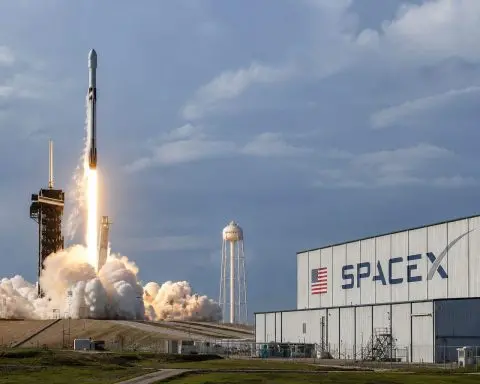
- Retail demand for SpaceX’s IPO has already surpassed the number of shares on offer, just days ahead of its expected Nasdaq launch under the ticker SPCX.
- The company wants to pull in $75 billion by selling shares at $135 each—opting for a fixed price instead of the usual IPO bookbuilding process.
- Starlink’s profits are on the table, but investors are also staring down steep AI losses, governance constraints, and a valuation that, according to some analysts, doesn’t offer much margin for mistake.
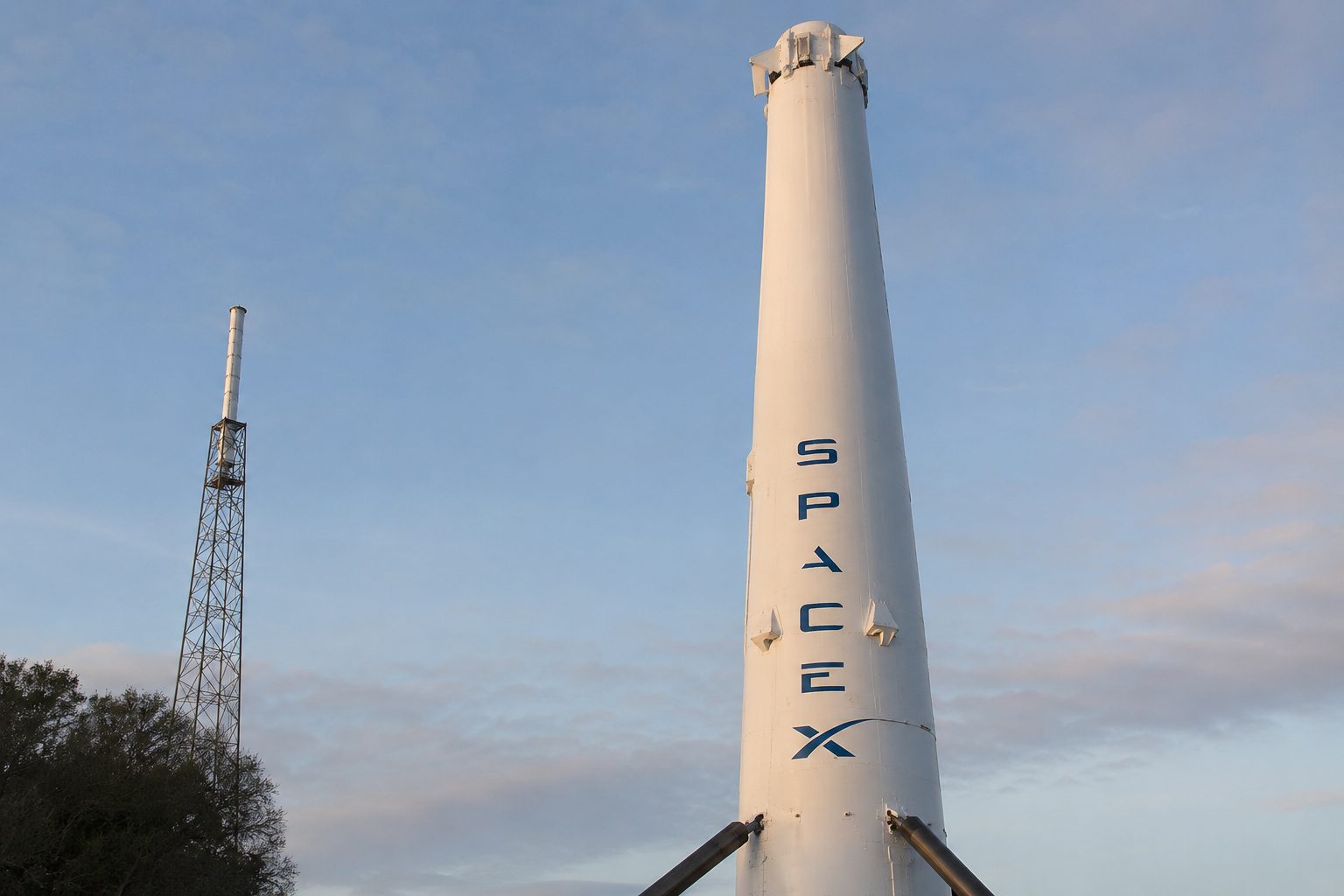
SpaceX’s looming public debut is pulling in swarms of retail traders this year. But ahead of its anticipated Nasdaq listing, attention has turned to whether Starlink’s growth pace can actually justify a $1.75 trillion price tag.
Timing is critical here. The upcoming initial public offering—the company’s first shot at public capital—will gauge appetite for big tech floats during a mostly dormant period for IPOs. OpenAI and Anthropic are on deck too. According to Reuters, bankers are looking at demand that’s outstripping supply two-to-one. SpaceX, for its part, is earmarking up to 30%, or $22.5 billion, for retail buyers.
SpaceX is looking to offload 555.6 million shares at a price tag of $135 apiece, which would pull in roughly $75 billion, Reuters reports. Setting a single price before investor roadshows bucks the norm—most companies prefer to float a price range first, then settle on a final figure based on demand.
Starlink stands out as the bright spot here. SpaceX’s satellite internet arm turned in $1.19 billion in operating profit for the first quarter. The company overall, though, reported a $1.94 billion operating loss on $4.69 billion in revenue. The AI segment didn’t help—posting a $2.47 billion loss against just $818 million in revenue.
Roth Capital’s Rohit Kulkarni put it plainly on CNBC last month, and the market hasn’t let it go: the “biggest question” hanging over Starlink is about scale. Sure, SpaceX has the largest satellite broadband constellation now—but can it keep growing its base of paying users, retain margins, and bankroll the rest of its ventures? YouTube
SpaceX has been looking to broaden its offering. On Friday, the company announced Google is set to pay $920 million monthly starting in October and running through June 2029, securing computing power that includes roughly 110,000 Nvidia GPUs—these chips underpin AI model training and operations. Adding in a separate arrangement with Anthropic, SpaceX’s public compute deals now tally up to about $26 billion per year, according to Reuters.
SpaceX pitches the idea that launches, Starlink, and AI infrastructure all feed off one another. In a roadshow video, finance chief Bret Johnsen pointed to SpaceX’s “global leadership position in orbital launch services,” emphasizing that its vertical integration—from design to manufacturing, deployment, and operations—creates cost advantages rivals struggle to match. Space
Valuation numbers aren’t matching up cleanly with the offer. NYU Stern’s Aswath Damodaran sized up SpaceX’s equity at around $1.3 trillion—close to $100 per share—after digging through the prospectus. In his words, the filing made the SpaceX narrative “bigger, but also more volatile,” flagging AI ambitions as a top risk. LinkedIn
Morningstar took a more conservative approach, assigning SpaceX a $780 billion valuation—just under half of what’s being eyed for the IPO. “We don’t see Grok as one of the leading AI labs today,” said Morningstar equity analyst Nicolas Owens, referencing xAI’s chatbot. Owens added that investors might get more attractive entry points post-IPO. Reuters
The competitive landscape keeps shifting. Amazon Leo—previously known as Project Kuiper—secured an FCC waiver linked to a July satellite launch deadline, though it comes with some strings attached. As of Friday, Via Satellite reports 331 Amazon satellites in orbit. The company says it’s sent up over 300 satellites during its first full year of deployment and already has more than 100 launches lined up.
Still, there are plenty of ways this deal could unravel. Reuters has put SpaceX’s valuation at roughly 110 times its trailing sales—a lofty multiple—and the company warned in its prospectus that profitability isn’t on the near-term horizon. There’s a catch in the Google compute arrangement, too: Google can walk away if SpaceX doesn’t hit its GPU delivery benchmarks, which adds another layer of execution risk to the AI revenue pitch.
For now, Musk benefits from solid demand. Weiheng Chen, senior partner at Wilson Sonsini Goodrich & Rosati, described the fixed-price deal to Reuters as a “take-it-or-leave-it” play—one that’s plausible, given Musk’s sway and the scarcity of true peers. Now public investors are left sizing up whether Starlink’s cash flow and SpaceX’s launch lead justify the rest of the price tag. Reuters