
WASHINGTON, May 5, 2026, 08:18 (EDT)
- AI investment isn’t just a hot topic—it’s now being folded into the U.S. growth story, after David Sacks claimed it made up 75% of GDP growth in the first quarter.
- The U.S. economy posted a 2.0% annual growth rate in the first quarter, with investment picking up pace while consumer spending lost some steam.
- U.S. stock-index futures pointed higher ahead of Tuesday’s open, lifted by a pullback in oil. Market fragility persisted, though, with Middle East tensions unresolved.
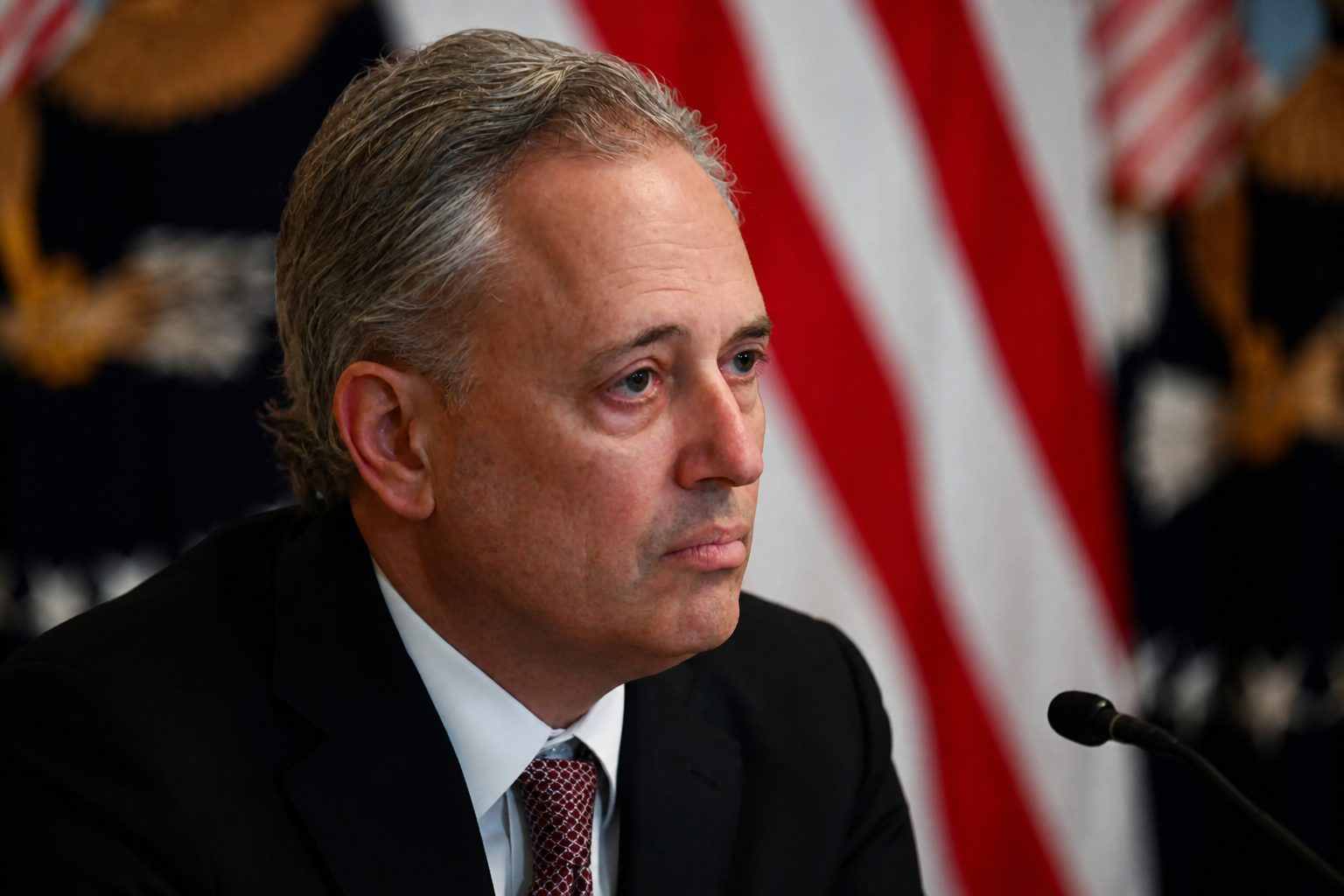
Artificial-intelligence infrastructure spending is ramping up fast, now acting as a key pillar for the U.S. economy. Former White House AI and crypto adviser David Sacks says dialing back that build-out at this point would actually drag on growth.
On X, Sacks claimed AI was responsible for 75% of U.S. GDP growth in the first quarter, adding that the pattern would likely persist. “Stopping progress in AI would be equivalent to halting the U.S. economy,” he told Fortune. Fortune
The latest U.S. growth figures point to a specific type of resilience. According to the Bureau of Economic Analysis, real gross domestic product climbed 2.0% in the first quarter—annualized—after notching just 0.5% in the fourth quarter. Investment, exports, plus both consumer and government outlays provided a lift. Still, the agency noted a slowdown in consumer spending.
Wall Street is treating the AI boom as both a safety net and a potential hazard. U.S. stock futures climbed early Tuesday as oil prices slipped, but according to Reuters, investors were still stuck balancing robust earnings against the risk of U.S.-Iran tensions flaring up enough to close the Strait of Hormuz. BlackRock Investment Institute strategists, including Wei Li, cautioned that “even U.S. equities won’t be insulated” if the crucial shipping lane remains shut. Reuters
Morgan Stanley is now projecting over $800 billion in capital spending this year from the five largest U.S. hyperscalers—cloud giants like Amazon, Alphabet, Meta, Microsoft and Oracle—with that number jumping to $1.1 trillion by 2027, according to Reuters’ markets column. CryptoBriefing, referencing Morgan Stanley, pegged 2026’s capex for those five at $805 billion. Capex, or capital expenditure, covers long-term investments in assets like data centers, servers, and chips.
Competition is spilling into the financing arena. Meta Platforms is teaming up with Morgan Stanley and JPMorgan Chase to assemble about $13 billion in funding for a data center in El Paso, Texas, according to a source speaking to Reuters. This comes as Meta, Amazon, Alphabet, and Microsoft are on track to pour over $630 billion into AI infrastructure this year.
Treasury’s take on the economy echoes that direction. The department noted business fixed investment was the biggest driver of first-quarter growth, tacking on 1.4 percentage points. Real business equipment investment posted a 17.2% surge, and data-center spending soared—up more than 22% annualized, according to .
Discussion over AI’s economic impact isn’t just a West Coast affair anymore. Charles Gasparino at the New York Post tossed out the question over the weekend: Is surging AI investment what’s really propping up the U.S. economy, keeping it from “falling off a cliff”? That take taps right into a recurring Wall Street worry—growth increasingly riding on just a handful of tech giants. New York Post
But there’s a catch. Back in March, Morgan Stanley’s Lisa Shalett flagged that investors had started to worry about how the AI expansion would actually get funded—and when those promised gains would hit real earnings and profits, not just forecasts. That’s the vulnerability here: a change in demand, squeezed margins, or tighter financing could yank the brakes on the current capex surge.
Energy markets faced renewed strain. Brent crude stayed over $113 a barrel on Tuesday, according to Reuters, held up by U.S.-Iran tensions in the Gulf. The Strait of Hormuz, which handles roughly 20% of the world’s daily oil and gas shipments, remains a critical chokepoint. Tim Waterer, chief market analyst at KCM Trade, noted that while an escorted ship got through, it only suggested “limited safe passage,” not a full reopening. Reuters
The International Monetary Fund has its own caution: if the war continues, it could easily offset the benefits from AI. IMF Managing Director Kristalina Georgieva put it bluntly—if the conflict in the Middle East stretches into 2027 and oil climbs to about $125 per barrel, the global economy could be staring down a “much worse outcome.” Reuters
At the moment, AI investment is propping up the U.S. economy as consumer demand cools and oil prices bite. The bigger question: Will the scramble by Big Tech to expand data centers actually deliver widespread productivity improvements, or just pile on expenses for a few dominant firms?