
LEAWOOD, Kansas, May 5, 2026, 16:02 (CDT)
- AMC posted a 21.2% bump in first-quarter revenue, fueled by a rebound in attendance.
- The cinema chain trimmed its net loss. Still, debt and ongoing cash burn are sticking points.
- Premium screens, a fresh slate of bigger films, and an expanded live-event strategy are all starting to define 2026.
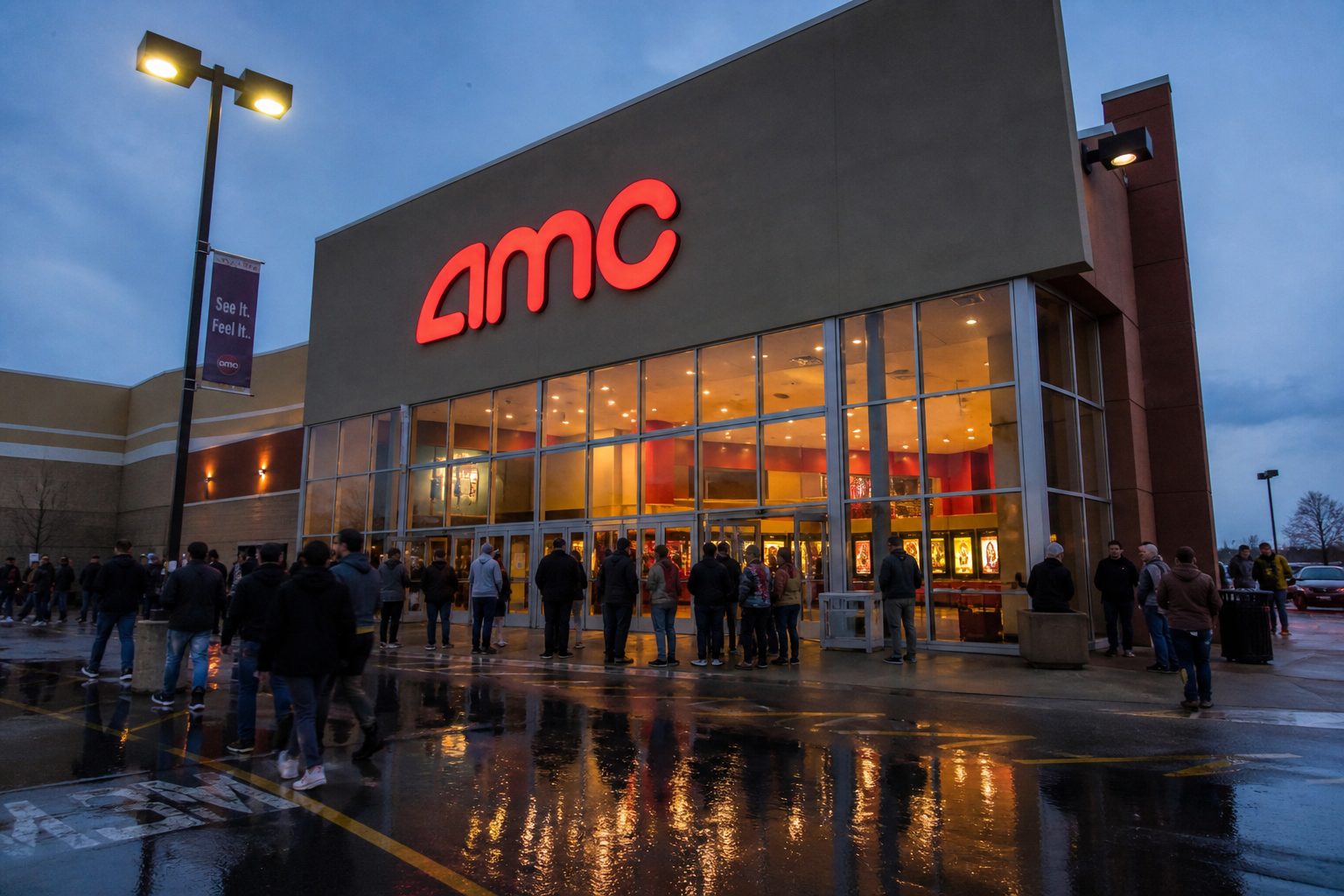
AMC Entertainment topped analysts’ revenue forecasts Tuesday, crediting a boost from the box office and more moviegoers opting for premium formats. The stronger results pushed the theater operator’s shares up more than 2% after hours.
This result carries weight, as cinema operators work to show that a revived release slate after the strike is doing more than boosting weekend numbers. They need solid revenue to mend their strained balance sheets. AMC’s latest quarter delivered genuine operating momentum, if not a full financial turnaround.
Leawood, Kansas-based AMC pulled in $1.045 billion in first-quarter revenue, up from $862.5 million a year ago. Net loss tightened to $117.1 million versus $202.1 million. Adjusted EBITDA, which excludes a handful of items such as interest, taxes, depreciation and amortization, came in at $38.3 million—turning positive after last year’s negative $57.7 million.
LSEG data, as reported by Reuters, showed analysts were looking for $968.5 million in revenue on average. AMC reported an adjusted loss of 36 cents per share, matching forecasts.
Attendance climbed 13.6% to 47.6 million, with U.S. theaters seeing a 14.2% bump and international locations up 12.6%. AMC squeezed more spending per trip, too: average ticket prices reached $12.15, up from $11.30, while food-and-beverage revenue per patron hit $7.29 versus $6.76.
AMC’s CEO Adam Aron called it the company’s “best Adjusted EBITDA first quarter result since 2019 pre-pandemic.” He credited a rebound in the box office, which is “back,” after years shaken by the 2023 Hollywood strikes. North American box office receipts climbed 22% in the quarter, he noted.
AMC is doubling down on premium large-format screens—including IMAX, Dolby Cinema, and its own XL auditoriums. Reuters reported that these formats have attracted customers willing to spend extra for larger screens and enhanced sound. The chain also rolled out Arena One at AMC, a live-entertainment platform expected to debut in June across more than 300 theaters in the U.S.
It’s not just AMC posting a comeback. Cinemark last week reported first-quarter revenue up 18.9% to $643.1 million, with adjusted EBITDA surging past the $88 million mark, more than double the year-ago figure. Marcus Corp. logged a 6.4% bump in theater revenue, reaching $92.9 million. Still, AMC stands out for its leverage—its balance sheet remains heavier than most of its rivals.
The quarter left the cash question hanging. AMC burned through $128.5 million in operating cash, with free cash flow showing a negative $174.7 million. As of March 31, cash was at $339.2 million—restricted cash not included. Corporate borrowings totaled $3.96 billion. The company flagged the risk: if liquidity dries up before revenue returns to normal, it may have to pursue restructuring, either in or out of court.
AMC’s latest moves include raising roughly $71.7 million via an at-the-market stock offering—selling shares straight into the market, which does mean dilution for current holders. Separately, the company said about $155.8 million in exchangeable notes had been converted into common stock. Over in its Odeon arm, AMC refinanced $400 million of 2027 notes into a new loan now set to mature in 2031.
AMC’s growth narrative looks less muddled than last year. Attendance is up, average customer spend has climbed, and management points to a film lineup they believe can sustain gains through the back half. The challenge hasn’t changed: the box office needs to deliver long enough to translate stronger quarters into durable cash flow.