
WASHINGTON, May 8, 2026, 11:04 (EDT)
- More parents in the U.S. are turning down the standard vitamin K injection for newborns, hospitals report.
- NIH-backed figures indicate a 77% jump in the proportion of infants not getting the shot between 2017 and 2024.
- The fight has now reached Washington, with doctors raising alarms that skepticism over vaccines is starting to affect newborn care beyond just immunizations.
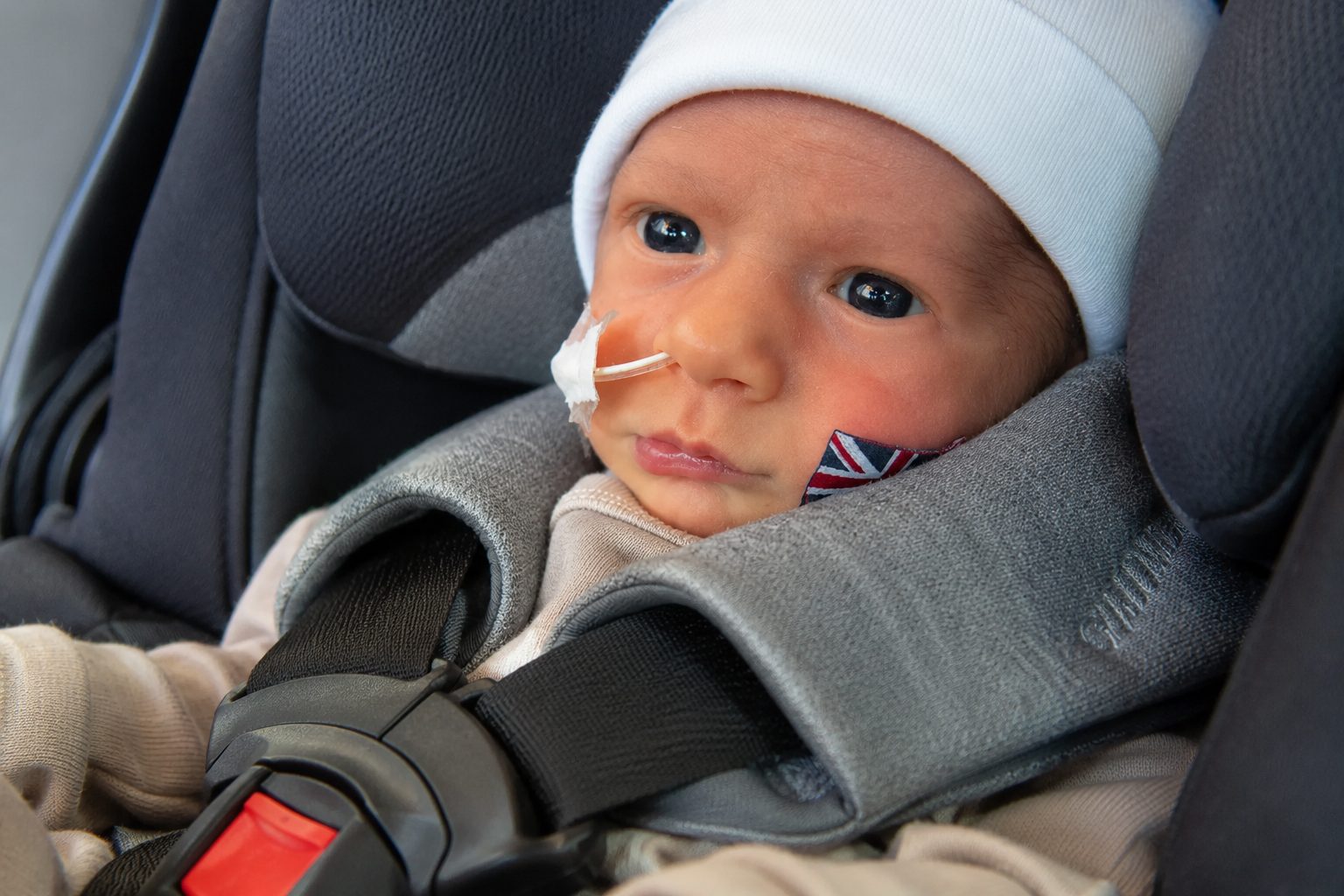
Hospitals across the U.S. are dealing with a significant uptick in parents declining vitamin K shots for their newborns. This week, a ProPublica investigation uncovered autopsy reports from multiple infant deaths that listed vitamin K deficiency bleeding as the cause. A single shot after birth usually prevents the condition, which triggers internal bleeding long before symptoms appear.
Here’s the data fueling doctors’ urgency. A NIH-backed analysis looked at more than 5 million births across 403 hospitals and found that nearly 200,000 newborns missed the vitamin K injection between 2017 and 2024. The refusal rate jumped—5.18% of babies didn’t get the shot in 2024, up from 2.92% in 2017, marking a 77% surge.
Vitamin K deficiency bleeding, or VKDB, happens if a baby’s blood doesn’t have enough vitamin K to clot. According to the CDC, skipping the shot makes newborns 81 times likelier to get late VKDB, and roughly 20% of babies who develop it die. In about half of late VKDB cases, bleeding occurs in the brain.
The injection isn’t a vaccine—it’s a vitamin K dose, typically administered in the thigh. Babies start out with minimal stores of the vitamin; not much passes through the placenta, and breast milk supplies little. According to NIH, routine use of the shot since the 1960s has nearly wiped out vitamin K deficiency bleeding.
The debate has spilled into politics. During an April House hearing, Rep. Kim Schrier—a Democrat from Washington and also a pediatrician—pressed Health and Human Services Secretary Robert F. Kennedy Jr. to provide reassurance for parents about the shot. Kennedy responded that he hadn’t commented on vitamin K. Later, an HHS spokesperson told ProPublica the vitamin K shot at birth is still considered the “standard of care.” ProPublica
Hospital records reflect the shift in real numbers. Mercy, which operates birthing centers across Missouri, Kansas, Oklahoma and Arkansas, reported 1,552 babies skipped the shot last year—triple the 536 in 2021. Over at St. Luke’s Health System in Idaho, refusal rates climbed to 9.8% in 2025, up from just 3.8% back in 2020. At least two babies treated at St. Luke’s have died in the past year from complications linked to VKDB.
Dr. Kristan Scott, a neonatologist at Children’s Hospital of Philadelphia and the study’s lead author, sees a “growing perception” that vitamin K isn’t needed. Skipping the shot, she said, is “gambling with a child’s health.” National Institutes of Health (NIH)
The actual numbers are tough to pin down. There’s no comprehensive tracking by state or federal agencies for vitamin K refusals—or for bleeding that occurs afterward—so tallying up fatalities or brain damage is a challenge. “If you don’t track it, you don’t document it,” Dr. Robert Sidonio Jr., pediatric hematologist oncologist at Children’s Healthcare of Atlanta, told ProPublica. ProPublica
Worries now go past a single injection. Alongside the vitamin K shot, two other standard newborn steps—the hepatitis B vaccine and antibiotic eye ointment—are typically given before discharge. But pediatricians are seeing more parents push back on more than just one intervention, they told ProPublica.
Medical groups are sticking to their position on vitamin K. The American Academy of Pediatrics has backed intramuscular vitamin K for newborns since 1961, reaffirming in 2022 that the shot remains the best way to prevent VKDB.
Misinformation keeps weighing on the issue. According to the CDC, research hasn’t shown a link between vitamin K shots and childhood cancer. The agency also notes the preservative level in these shots isn’t high enough to pose a risk. Delaying the injection, the CDC warns, can be fatal—bleeding may happen in the brain or gut, places parents can’t detect.
Doctors have a pointed warning here: even babies who appear perfectly healthy at birth can face life-threatening complications weeks on. Dr. Allison Henry, head of the newborn medicine service at Cedars-Sinai Guerin Children’s in Los Angeles, called the shot a “simple, safe intervention” when speaking with ProPublica. The concern is growing that parents are less convinced—sometimes not until harm has already occurred. ProPublica