
NEWARK, New Jersey, May 8, 2026, 12:31 EDT
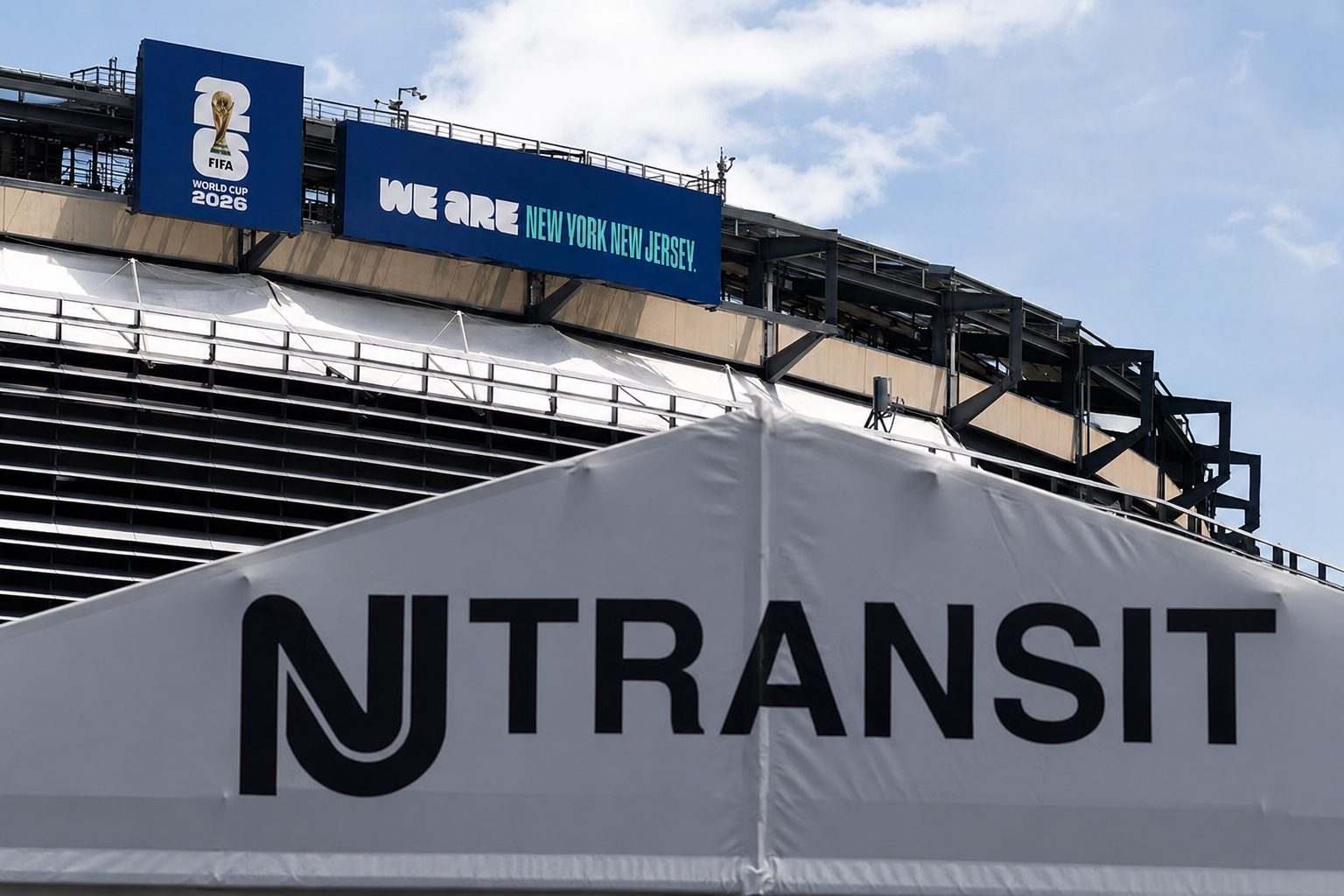
New Jersey Transit has slashed its proposed World Cup train fare to MetLife Stadium, dropping the price to $105 from the earlier $150 following pushback from FIFA. Fans will pay less than initially announced, but the ticket is still priced well above regular fares.
This time, transit is front and center at the New York-New Jersey site. On matchdays, regular spectator parking is off the table—fans are being funneled instead toward trains, official shuttle buses, a handful of rideshare spots, and sanctioned routes.
MetLife Stadium—going by NYNJ Stadium for the tournament—lands eight World Cup games, among them Brazil facing Morocco on June 13 and Panama against England on June 27. The final’s set for July 19.
NJ Transit is set to begin selling $105 round-trip rail tickets to NYNJ Stadium starting May 13, according to its updated ticketing page. The price is the same from any NJ Transit station. Sales are app-only, advance purchase required, and each matchday is limited to 40,000 tickets. Buyers must also have a valid FIFA match ticket.
This is a reduction, but hardly a bargain. The fare remains much steeper than the usual $13 or so round trip between Manhattan’s Penn Station and the stadium, and it still tops the official stadium shuttle’s $80 round-trip price.
NJ Transit chief Kris Kolluri said Gov. Mikie Sherrill pushed the agency to seek “private sponsorships and other sources” to help cut ticket prices. According to Gothamist, officials haven’t revealed the backers or the amounts contributed. Steve Sigmund, speaking for Sherrill, said the governor welcomed companies that had “stepped up.” Gothamist
Before lowering the fare, Kolluri justified setting it at $150, citing NJ Transit’s projected $48 million expense for World Cup transportation—roughly $6 million per game. He argued that the standard $12.90 ticket would force everyday riders to shoulder most of the cost.
FIFA pushed back against the initial $150 fare proposal. Heimo Schirgi, the 2026 World Cup’s chief operating officer, called the pricing “a chilling effect.” He warned steep fares risk sending fans to alternative transit, raising the odds of crowding and delays. Fox News
That’s worked against New Jersey. According to AP, FIFA highlighted that cities like Los Angeles, Dallas, and Houston left transit fares untouched for fans traveling during the World Cup.
Commuters aren’t out of the woods yet. NJ Transit’s warning: during the four-hour window ahead of kickoff, only fans with stadium tickets get into Penn Station New York and Secaucus Junction—everyone else? Only some will have their fares cross-honored on PATH or other alternate routes.
Still, that risk lingers. Fans facing the $105 parking fee might turn to rideshare or private drop-offs instead; according to the host committee, rideshare will operate from an off-property location, with premium pricing likely, and only FIFA-permitted vehicles can get direct stadium access.
The fare dispute is just one piece of a wider affordability crunch hitting the tournament. Fans are running the math—ESPN reports some are questioning whether the World Cup justifies the outlay, with ticket costs, transit fares, and hotels all stacking up.
NJ Transit slashed the headline fare by 30%. The real challenge hits May 13: $105 rail tickets, strict boarding times, and a no-wristband-no-ride rule will all be put to the test when World Cup fans find out if the Meadowlands commute stays manageable or devolves into another melee.