
San Francisco, June 4, 2026, 05:25 PDT
- Anthropic has jumped ahead, lodging a confidential U.S. IPO filing and turning up the heat on OpenAI, which hasn’t yet submitted its own paperwork.
- SpaceX is seeking $75 billion in fresh capital, aiming for a $1.75 trillion valuation—a massive deal landing in an already packed market.
- Investors look set to probe both growth—and what it takes to pay the bills for running AI models.
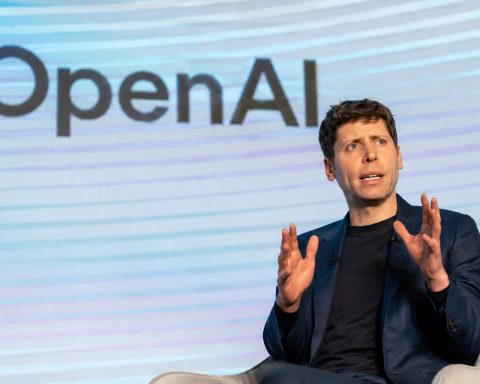
OpenAI now faces stiffer competition on the IPO front, with Anthropic having quietly filed for a U.S. public offering and SpaceX forging ahead on a massive $75 billion deal. The ChatGPT creator, still readying its own paperwork, is suddenly up against a denser pack of companies vying for investor cash.
Timing is key here, with public markets on the verge of valuing a handful of AI-focused firms close to the trillion-dollar mark. An IPO opens the door for a private business to list shares for public buyers. By contrast, filing confidentially gives the company time to coordinate with regulators without exposing its finances.
OpenAI may be moving closer to an IPO, with Forbes on May 20 referencing a Wall Street Journal report that the company could file soon, aiming for a public debut in September. Reuters also reported that OpenAI is working with Goldman Sachs and Morgan Stanley on a draft prospectus, preparing for a confidential filing in the weeks ahead, and eyeing a possible September listing.
The narrative took a turn. Anthropic, the firm behind Claude, revealed Monday it’s confidentially filed for a U.S. IPO, keeping the details under wraps. Reuters reported the company’s last funding round brought in $65 billion, boosting its post-money valuation to an eye-popping $965 billion—leapfrogging OpenAI’s most recent $852 billion figure.
Kat Liu, vice president at IPOX, pointed out that Anthropic’s filing puts it in position to act while IPO conditions are still good. Harrison Rolfes, a senior analyst at PitchBook, called it a “narrative advantage” for Anthropic to file ahead of OpenAI. Still, he noted, OpenAI has a chance to watch how investors react to Anthropic’s financials and adjust its own pricing plan. Reuters
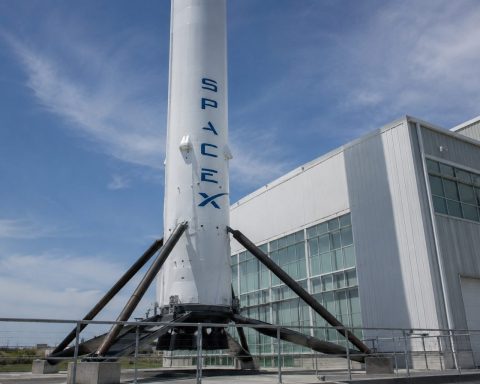
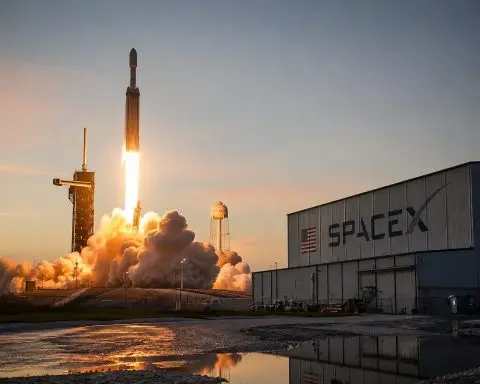
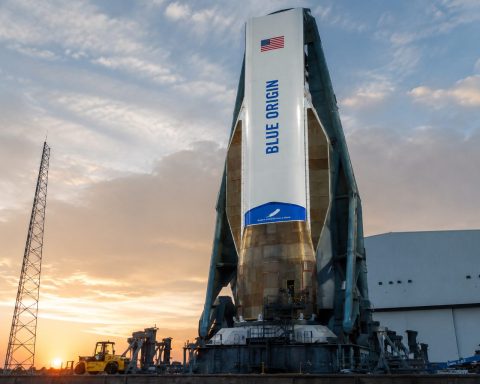
SpaceX is under the microscope, too. Elon Musk’s rocket and satellite firm is looking to price its IPO at $135 per share, with 555.6 million shares on the block, a Reuters source said. That would peg the company’s valuation around $1.75 trillion. Wilson Sonsini Goodrich & Rosati senior partner Weiheng Chen described Musk’s fixed-price strategy as a “take-it-or-leave-it” play—something that might fly in this market with no obvious comparables. Reuters
It’s not just the upstarts in play. Alphabet, the parent of Google, is boosting planned equity offerings to $84.75 billion, aiming to ramp up investment in AI infrastructure and computing power, Reuters reported Wednesday. Even with plenty of cash, established giants are turning to markets as the race for AI heats up.
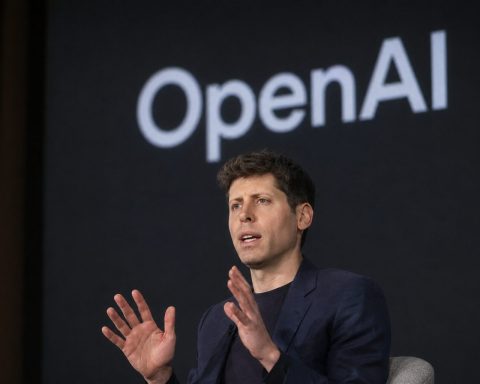
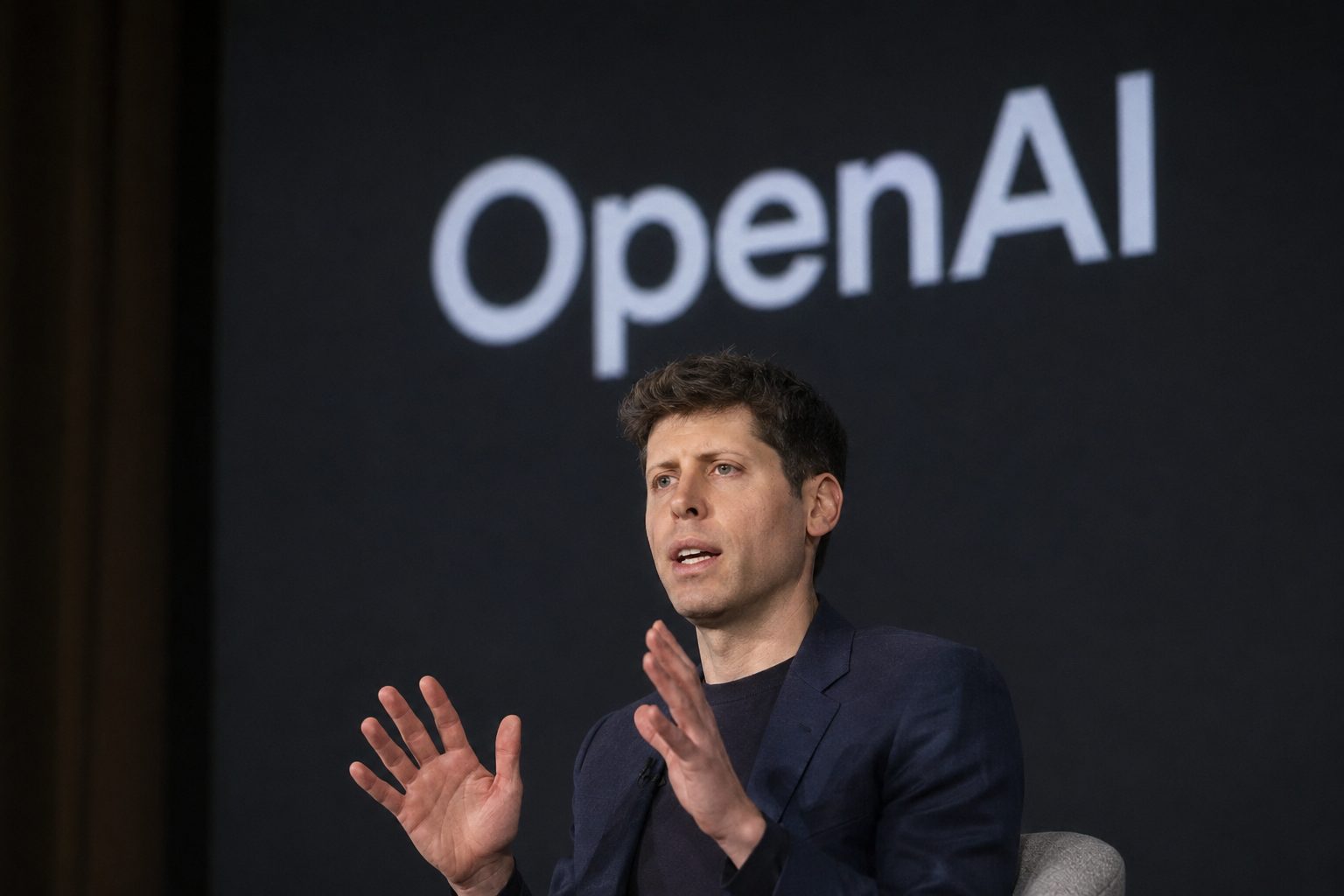
OpenAI is staring down policy uncertainty as well. Chief Executive Sam Altman landed in Washington this week, pushing back on proposals that would force AI developers to secure U.S. government signoff before launching new models, Reuters reported, citing a company statement. The company is urging Congress to ramp up Commerce Department AI testing instead, bringing in specialists from cybersecurity, bio-weapons, and national security.
OpenAI faces pressure from investors not only over market share but also expenses. Tokens—the data units fed into AI models—are turning into a key measure for both usage and cost, and, increasingly, revenue. “You shouldn’t chase more tokens just to chase more tokens,” said Russell Kaplan, president of coding startup Cognition, in comments to Reuters. Reuters
This week, Altman addressed the concern during an OpenAI enterprise event, noting that the company’s biggest internal token consumer goes through roughly 100 billion tokens every month. AI costs, he said, had turned into “a huge issue,” according to Business Insider. OpenAI is now searching for “more value for less spend,” Altman added. Business Insider
Still, OpenAI isn’t guaranteed a smooth IPO path. A confidential filing doesn’t lock a company into going public, and the market can sour in a hurry. Early financials from Anthropic or SpaceX might flip investor sentiment across the sector. Take SpaceX: its own documents reveal the downside. Reuters said the company posted a $4.94 billion net loss in 2025, even as it aims for one of the highest public market valuations on record.
OpenAI hasn’t submitted an initial IPO filing to the Securities and Exchange Commission yet, according to the Associated Press. Michael Field, chief equity analyst at Morningstar, told reporters that AI firms are spending heavily to stay ahead, and turning to public equity is the most affordable way to raise capital—making upcoming filings especially significant.