
SAN ANTONIO, May 14, 2026, 17:07 CDT
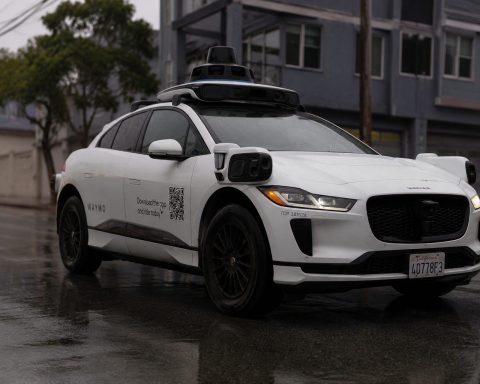
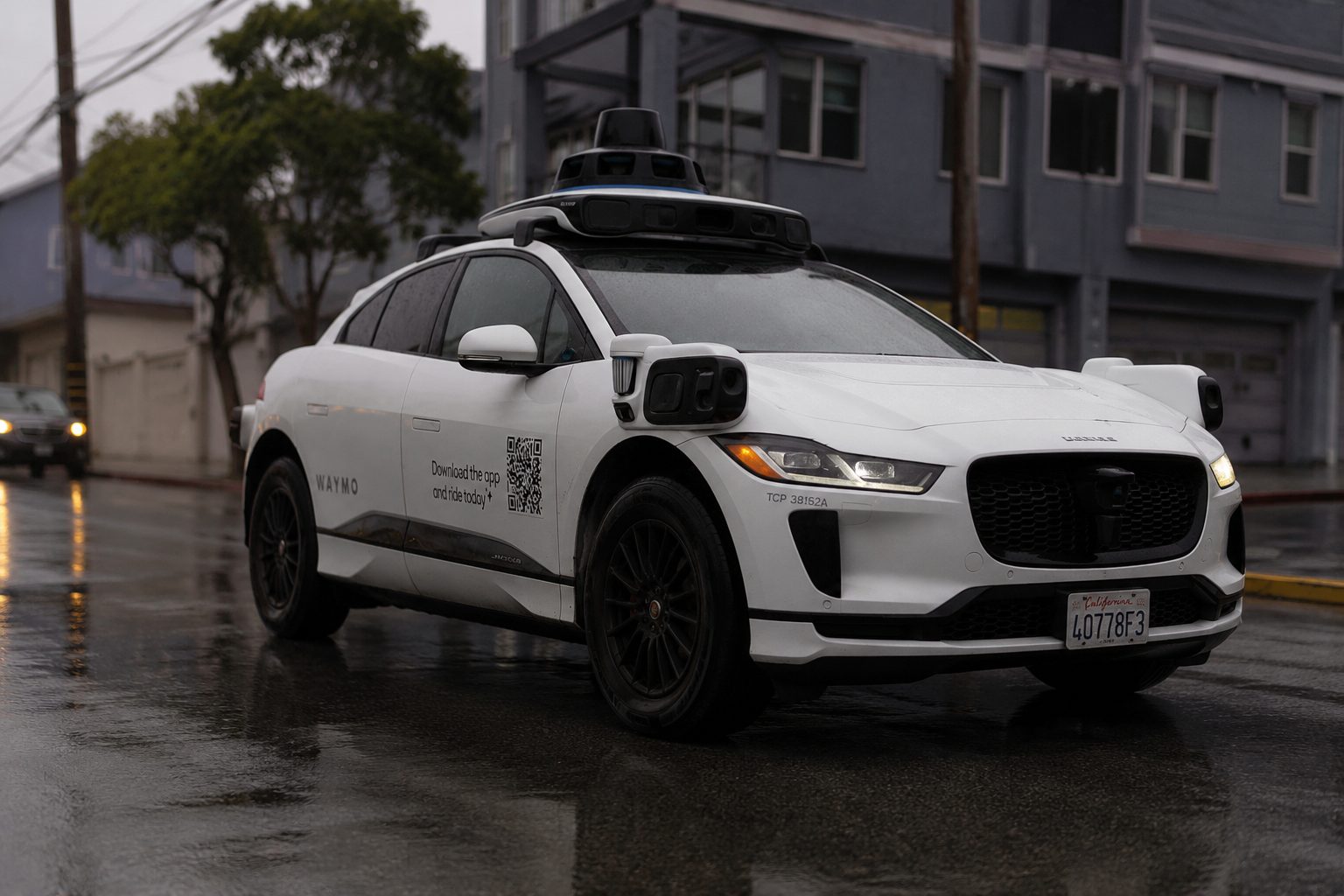
Waymo is recalling 3,791 vehicles fitted with its fifth- and sixth-generation automated-driving system, following an incident in San Antonio where one of its driverless cars detected floodwater but still entered a flooded lane, according to federal filings. The ADS—Waymo’s software-and-sensor platform—operates without a human driver.
Timing is key here. What started as a localized flooding event has escalated into a sweeping software recall for Alphabet’s robotaxi arm. The unit, now logging upwards of half a million rides weekly in American cities, faces a broader spotlight.
The timing coincides with Waymo’s ongoing expansion. Plans are in motion to cover Cupertino, Campbell, and sections of San Jose, pushing the Bay Area footprint higher. According to the company, these additions will bring Waymo’s total service area to over 1,400 square miles across 11 cities. Senior product lead Shweta Srivistava described this as a “land and expand” play. San Francisco Chronicle
On April 20, a driverless vehicle in San Antonio ended up in floodwater near Salado Creek and was carried off, local media reported. No one was inside at the time and there were no injuries, the noted.
The National Highway Traffic Safety Administration said the software could allow a vehicle to decelerate and then continue into standing water even on faster roads. The agency warned that entering a flooded roadway poses a risk—drivers could lose control, leading to potential crashes or injuries.
Waymo is rolling out new software safety checks and restricting severe-weather driving, reining in access to areas prone to flash floods. The company has also shrunk its fleet’s service range and refreshed its maps as it pushes toward a longer-term fix, according to Reuters.
The solution isn’t set in stone just yet. According to NHTSA filings, Waymo is “developing the final remedy,” and for now, the interim update limits operations in areas and at times where flooded, faster-moving roads are a known risk. TechCrunch
Waymo’s autonomous vehicles are back on the streets in San Antonio, though riders will have to wait—no passenger pickups for now, according to KSAT. The ongoing recall targets software, not hardware, so updates can be pushed to the fleet more quickly than any physical fix. Still, the local service interruption remains in effect.
The risk lingers until the final fix lands. Even if a stricter map or rain rule holds vehicles back from flagged areas, flooding isn’t predictable—water shifts quickly, signs get lost, and stretches of road that seemed fine just moments ago can turn unusable.
“All self-driving car systems have limits on when and where they can operate safely,” Professor Jack Stilgoe at University College London’s Department of Science & Technology Studies said, weighing in on the recall. The current challenge for regulators and cities: deciding where those limits should fall—and determining who’s responsible for proving they’re robust enough before these vehicles take passengers out in rough weather. University College London
The recall lands as Waymo works to keep its edge among U.S. robotaxi operators. Back in March, Amazon’s Zoox announced plans to broaden its reach in San Francisco and Las Vegas, with testing lined up for Austin and Miami. Reuters reported Waymo remains the current market leader, and Tesla, with deeper pockets, could scale up from its small Austin presence.
Waymo was under regulatory scrutiny before. After a Waymo car hit a child near a Santa Monica school in January, NHTSA launched its own probe. Meanwhile, the NTSB is digging into separate Austin incidents where Waymo vehicles drove past stopped school buses that still had their signals flashing.
Waymo’s flood recall boils down to a specific software issue, but there’s a bigger challenge behind it. The company needs to prove its vehicles don’t just handle mapped routes in typical situations—they also have to recognize when a road is simply off limits.