
CAPE CANAVERAL, Florida, May 21, 2026, 09:17 (EDT)
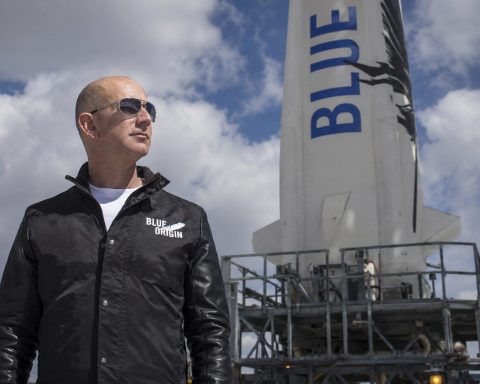
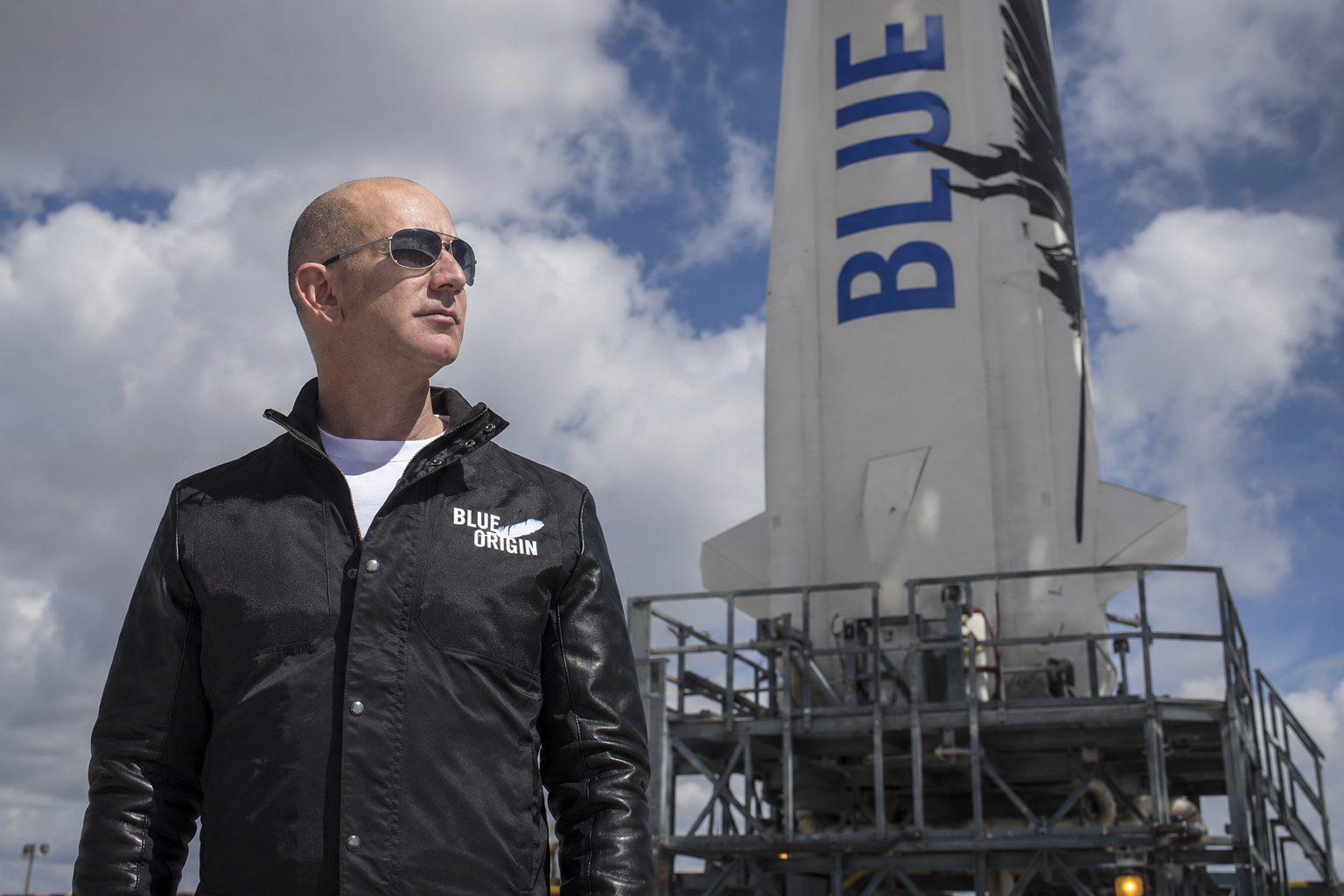
Jeff Bezos says Blue Origin is weighing outside investment for the first time—a notable turn, considering he’s been the primary backer since the start—even as Elon Musk’s SpaceX heads toward what could become a record-setting IPO. “We have enough visibility into our future and our financial success that it makes sense to consider outside capital,” Bezos said. When asked about the SpaceX IPO, his take was blunt: “Space is going to be a gigantic industry.” Wall Street Journal
Timing’s key here. SpaceX put its IPO filing out in the open on Wednesday, finally pulling back the curtain on a company long seen as the pace-setter in private spaceflight. The filing—a first glimpse for public investors, since an initial public offering marks that debut—showed losses of $2.6 billion from operations last year against $18.7 billion in revenue, according to AP. If SpaceX’s reported $75 billion stock sale goes through, it would dwarf Saudi Aramco’s $26 billion IPO.
The filing sharpens Bezos’ remarks. Reuters has SpaceX eyeing a $1.75 trillion valuation, with Musk holding onto 85.1% of the voting power. Georgetown finance professor Reena Aggarwal pointed to a “somewhat of a halo effect” linked to Musk and his vision. Reuters
SpaceX and Blue Origin remain private, so investors are watching publicly traded space stocks and fresh ETFs for signals. According to Investopedia, at least three new space-focused ETFs have rolled out since March, and holdings like Rocket Lab and Planet Labs are up roughly 80% this year through Monday, Bespoke Investment Group data show.
The conversation has shifted from rockets to data centers. Bezos thinks orbital data centers—those space-based server farms primed for AI workloads—are achievable, just not as soon as some expect. He told CNBC that forecasts of seeing them in just two or three years are “probably a little ambitious,” according to MarketWatch. MarketWatch
Blue Origin is staking its claim on tomorrow’s infrastructure with Project Sunrise, an application before the Federal Communications Commission to deploy a massive 51,600-satellite network aimed at shifting data-center functions into space. NASA isn’t thrilled, flagging potential conflicts with human spaceflight paths and scientific instruments, and is pushing for more granular technical information from the company.
Still, the road ahead looks rough. Higher launch costs, pricier chips, tricky orbital debris regulations, and plain execution risk—any of these could pull back the narrative investors are getting pitched. According to TechCrunch, SpaceX’s S-1 filing listed out 36 pages worth of risk factors, touching on legal disputes linked to Musk’s AI and social media ventures, plus big money flowing into Starship.
Blue Origin’s next big step: TeraWave, a satellite comms network targeting data centers, governments, and business customers. Back in January, Reuters said the company intends to roll out 5,408 satellites starting late 2027. Starlink, the SpaceX rival, has already leaped ahead — about 10,000 satellites up and boasting over six million users. “Purpose-built for enterprise customers,” CEO Dave Limp said, describing TeraWave. Reuters
So Bezos is treading carefully here. He steered clear of backing SpaceX’s valuation and stopped short of saying Blue Origin would head for the public markets. But by connecting outside capital, orbital computing, and SpaceX’s planned IPO all in one conversation, he’s managed to cast a rival’s listing as something bigger—a gauge for whether investors will treat space as infrastructure instead of just exploration.