
Pasadena, California, May 21, 2026, 08:01 PDT
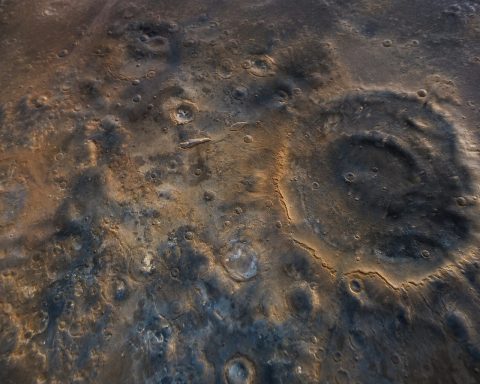
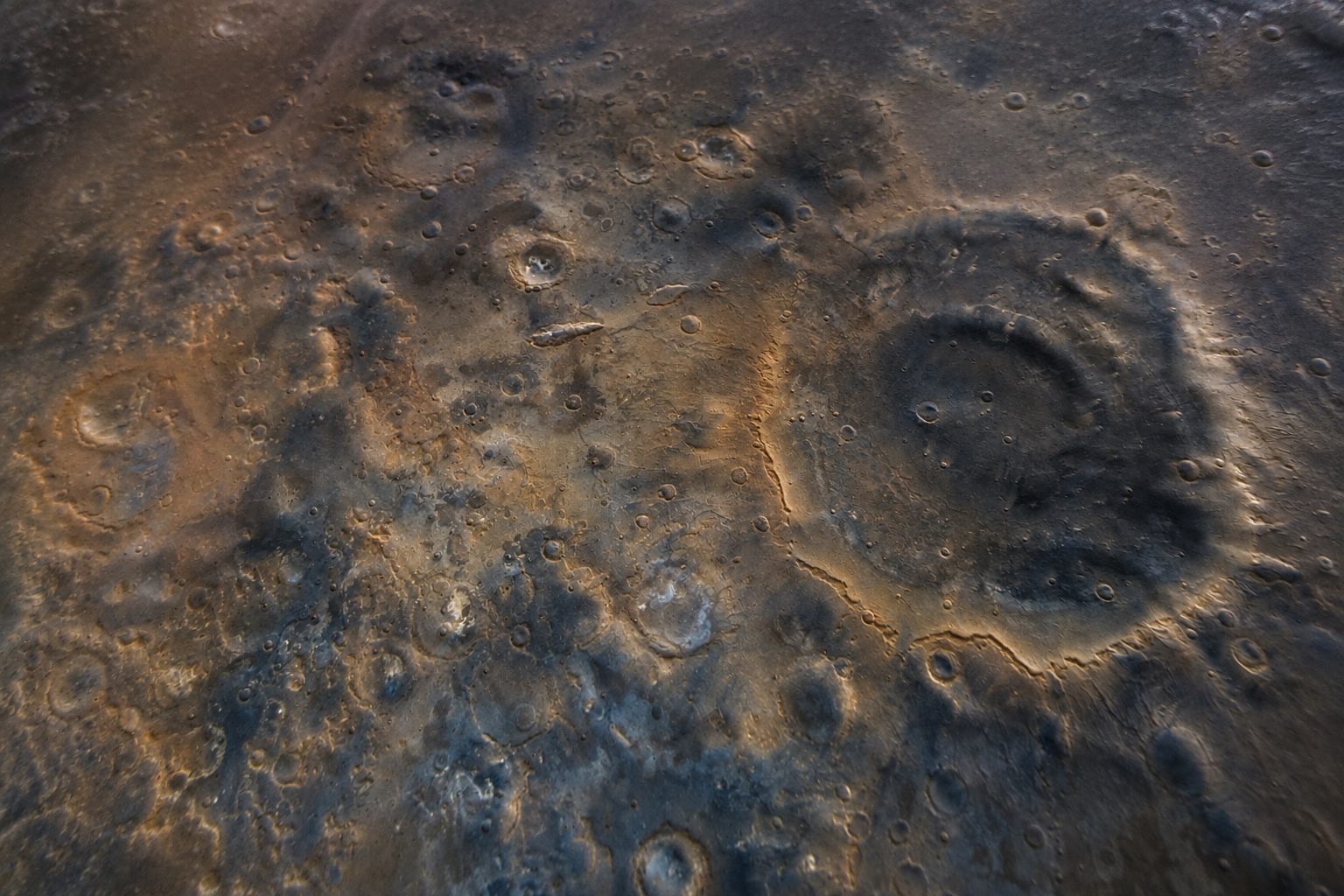
Psyche, NASA’s probe headed for an asteroid, snapped a sharp enhanced-color shot of Mars’ Huygens Crater as it swung by, sending back a fresh view of the Red Planet. That maneuver, according to the agency, set the spacecraft on track for a 2029 rendezvous with its asteroid destination.
The image stands out since Psyche wasn’t designed for Mars research. Instead, the spacecraft tapped into the planet’s gravity, boosting its velocity and redirecting its course—no need for extra fuel. Mission teams also took the opportunity to check cameras and other tools during the flyby, all ahead of the probe’s journey to the metal-heavy asteroid Psyche.
NASA reported that on May 15, Psyche passed just 2,864 miles—4,609 kilometers—from Mars. The spacecraft picked up a 1,000 mph push during the flyby, according to Don Han, navigation lead for Psyche at NASA’s Jet Propulsion Laboratory, putting it “on course for arrival” in summer 2029. NASA
Psyche’s multispectral imager snapped the Huygens view around 1:18 p.m. PDT on May 15, picking up light in several filtered bands. The image captures the double-ring Huygens crater—about 290 miles (470 km) across—as well as the cratered southern highlands close to 15 degrees south latitude. Colors in the shot likely hint at shifts in dust, sand, and bedrock.
NASA took the red, green, and blue data and blended them for an enhanced color view—pulling out features invisible to the naked eye. Each pixel in the image covers roughly 2,200 feet, or about 670 meters.
Other images from Psyche’s Mars flyby show wind streaks close to Syrtis Major, according to NASA. The agency said the streaks stretch roughly 30 miles (50 km) and seem to have developed as wind swept across old impact craters.
Engineers treated the flyby as a crucial practice run rather than just a chance for snapshots. Jim Bell, who heads up imaging for Psyche at Arizona State University, said the group collected “thousands of images.” NASA noted that calibration shots of Mars would keep coming through the month as the planet moves farther away. NASA
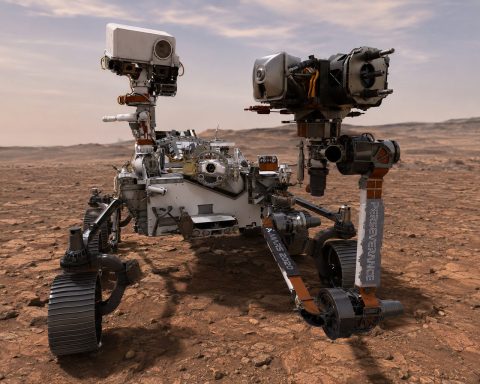
This comes amid a crowded lineup at Mars. NASA pointed to Perseverance, the Mars Reconnaissance Orbiter, and ESA’s ExoMars Trace Gas Orbiter—all offering key pieces: imaging, atmospheric readings, navigation help—as Psyche shot past.
The real focus is asteroid Psyche, sitting out in the main belt between Mars and Jupiter. NASA notes that researchers suspect Psyche might be a chunk of a planetesimal’s core—one of those primitive building blocks of planets. If so, it could give scientists a look at what rocky planet interiors, like Earth’s, are really made of.
Psyche lifted off back on Oct. 13, 2023. According to NASA’s mission page, the asteroid’s pull is expected to lock in the spacecraft by late July 2029. The main phase kicks off in August, slated for roughly two years of imaging, mapping, and analysis.
The Mars snapshots don’t answer the main science question yet. There’s a lengthy cruise phase still to come, along with orbit insertion and more instrument checks; plus, NASA’s description doesn’t rule out a surprise if the asteroid turns out not to be the ancient core researchers are hoping for.
Arizona State University heads up Psyche, with JPL handling mission management, systems engineering, and operations. Lindy Elkins-Tanton, principal investigator for the mission at the University of California, Berkeley, described Mars’ contribution as a “critical gravitational slingshot.” NASA