
BEIJING, May 21, 2026, 22:03 (China Standard Time)
- Fresh scrutiny landed on a sprawling site southwest of Beijing after a May 20 report—previous satellite imagery had already linked the facility to a potential wartime command center.
- Tensions are running high as U.S.-China military talks face strain, with Taiwan in the spotlight and a $14 billion U.S. arms deal hanging in the balance.
- Still, the main question hangs in the air: Beijing hasn’t said what the site is for.
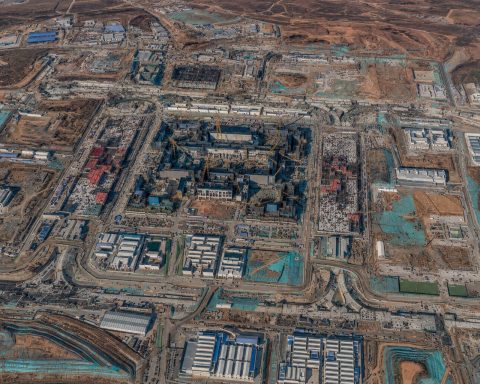
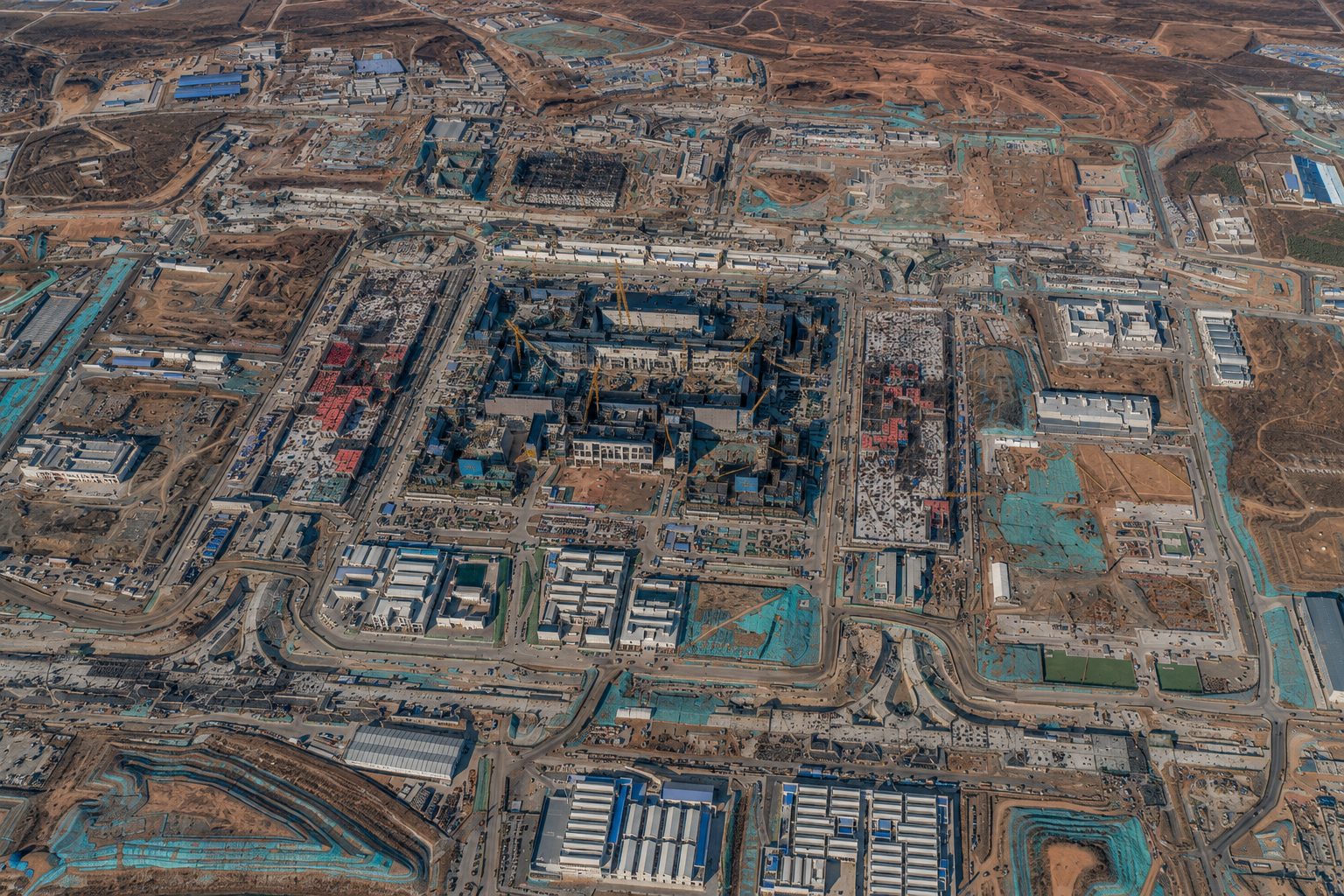
Satellite images of a sprawling construction project southwest of Beijing are drawing renewed scrutiny after Futura-Sciences released a report on Wednesday, calling the site a likely underground military facility and flagging security worries. This comes after previous assessments from U.S. officials and analysts, who had already identified the roughly 1,500-acre area as a potential Chinese military command hub intended for wartime use.
The issue’s timing is key, with Taiwan once again front and center on the U.S.-China agenda. On Wednesday, Reuters said Beijing was delaying a proposed trip by U.S. Under Secretary of Defense for Policy Elbridge Colby, as China increased pressure on President Donald Trump regarding a potential $14 billion arms deal for Taiwan.
On Thursday, Taiwan’s foreign ministry said President Lai Ching-te would welcome a conversation with Trump—a move Reuters noted would mark a first between leaders in office from both sides, and one likely to stir fresh tensions with Beijing. In response, China’s foreign ministry pressed Washington to approach Taiwan with “extreme caution.” Reuters
Known to outside analysts as “Beijing Military City,” the site sits roughly 20 miles (30 km) southwest of Beijing, according to satellite imagery reports. Last year, Business Insider noted a fast pace of construction across the 1,500-acre plot—tunnels, roads, access points. China’s embassy, for its part, told the outlet it wasn’t aware of specifics regarding the command center. Business Insider
Renny Babiarz, who previously worked as an imagery analyst at the U.S. National Geospatial-Intelligence Agency and is now vice-president for analysis and operations at AllSource Analysis, told the Financial Times the imagery pointed to “several possible underground facilities linked via possible underground passageways.” He added, though, that more information would be needed for a full assessment of the construction. Financial Times
Newsweek, in a May 2025 report, pointed to fresh satellite imagery revealing advancements at the Qinglonghu-area location. The publication referenced previous assessments indicating the build-out started around mid-2024. Analysts, according to the outlet, see the deep excavations as likely hardened bunkers—underground fortifications designed to shield leadership and critical communications during large-scale hostilities.
The U.S. stands as the key benchmark here, given the site’s comparison to the Pentagon and the reality that Taiwan is still the likeliest flashpoint for direct military crisis planning between Washington and Beijing. On Tuesday, Taiwan’s premier called Chinese military moves the “greatest source of regional unease and instability.” That same day, China’s navy announced a Liaoning carrier group was headed into Western Pacific waters for live-fire drills and other exercises. Reuters
Nuclear tensions are tangled up with the bunker chatter. According to a draft Pentagon report reviewed by Reuters in December, China’s nuclear arsenal stood in the low 600s this year, still expected to top 1,000 warheads by 2030. The Chinese embassy countered, saying Beijing maintains its nukes at the minimum level for security and upholds a no-first-use stance.
Still, nobody’s verified what the site is actually for. Satellite imagery offers hints—cranes, fresh construction, roads, signs of tight security—but it can’t confirm operational doctrine or reveal command structures, nor does it tell us who’s going in. If this is a command-and-control hub—where top brass might manage forces during a conflict—China’s command network could end up more resilient. But if it turns out to be a lower-tier headquarters or a multipurpose site, some of the security concerns might be exaggerated.
At this point, it’s not a fresh disclosure driving the narrative, but the reemergence of a familiar uncertainty: what exactly is taking shape beneath and around those hills southwest of Beijing? Governments in Washington, Taipei, and elsewhere are left trying to map out strategies for a facility that’s plainly massive—yet the purpose stays as murky as ever.