
MERRITT ISLAND, Florida, May 22, 2026, 10:04 EDT
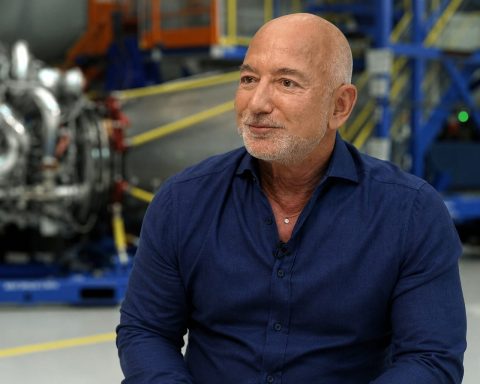
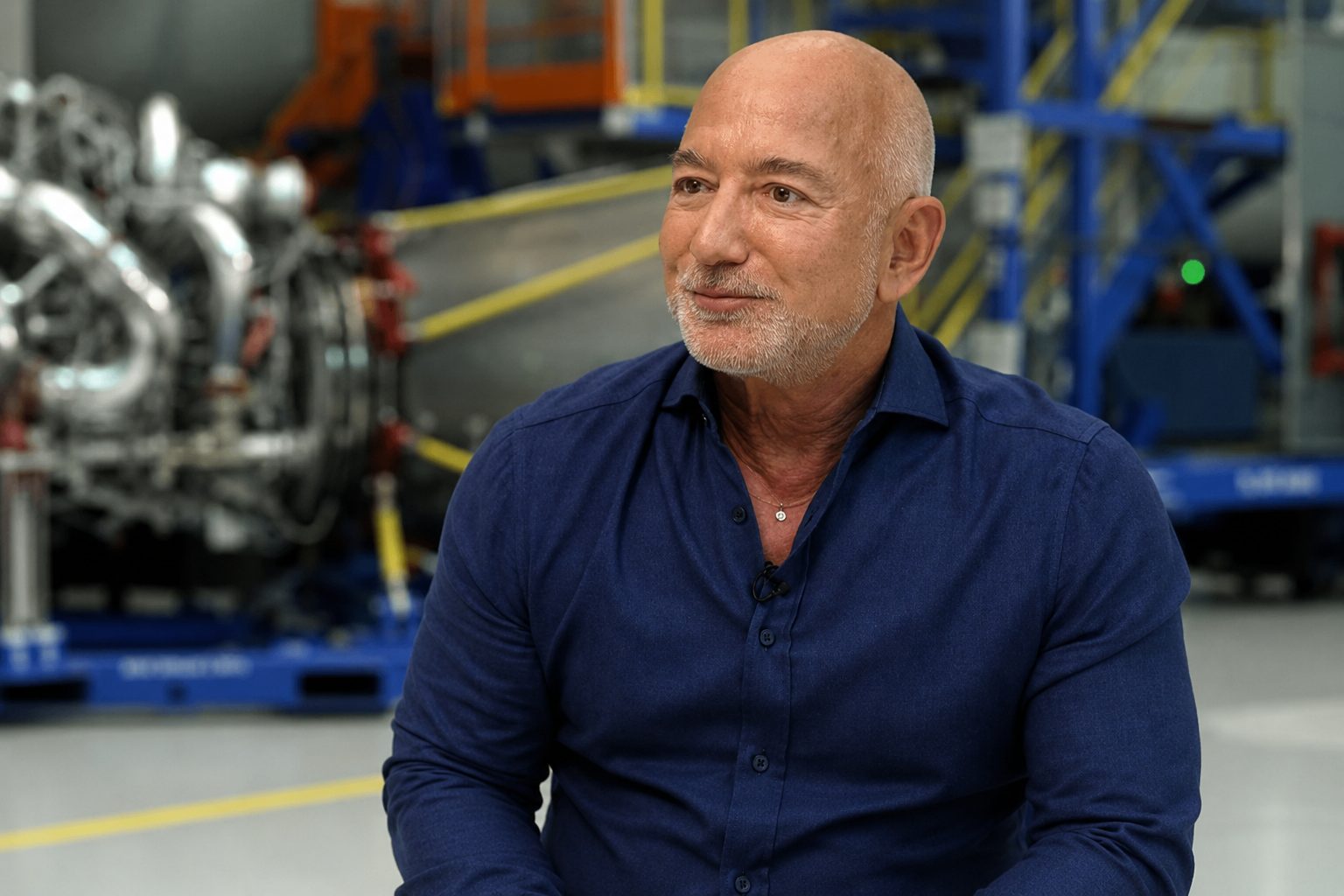
Jeff Bezos said he wasn’t in a position to weigh in on SpaceX’s rumored $1.75 trillion to $2 trillion IPO valuation, but described commercial space as a “gigantic industry.” Elon Musk’s rocket business is reportedly gearing up to gauge public-market appetite for what could be one of the biggest stock listings ever. An initial public offering, or IPO, refers to a company’s first public share sale. Versant Press Room
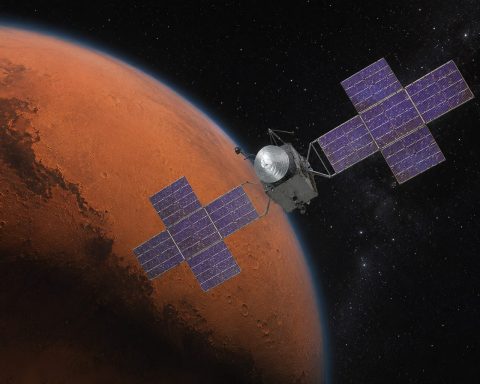
Timing matters here. SpaceX dropped its IPO filing into the open this week, letting investors peek inside a business that actually sells satellite internet, but also burns through cash on artificial intelligence. The company’s pitch banks on markets that are still thin or not here yet—think Mars trips or orbital data centers.
Money is pouring into the broader space theme on the back of the SpaceX deal. Over the past month, space-focused exchange-traded funds—essentially portfolios of stocks that trade like regular shares—have attracted $1.3 billion in fresh inflows, Reuters said, citing Morningstar Direct. That surge has pushed total assets in the sector up to $3.3 billion. Rocket Lab and AST SpaceMobile have both caught the tailwind.
Pressed by CNBC’s Andrew Ross Sorkin about whether SpaceX’s valuation really added up, Bezos hesitated, saying it was tough to tell what portion reflected the actual financials versus expectations for what’s ahead. He stopped short of backing the figure.
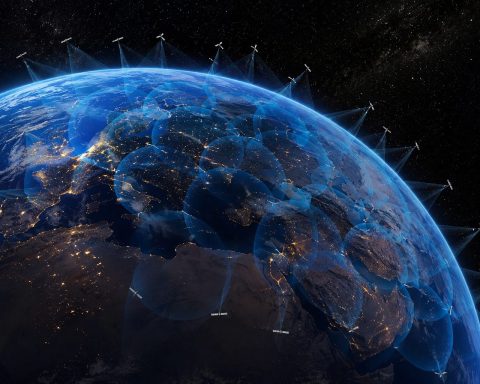
SpaceX pulled in $4.69 billion in revenue during the first quarter, but still ran up an operating loss of $1.94 billion. Starlink, the company’s satellite internet arm, generated $1.19 billion in operating profit. The AI segment, though, bled $2.47 billion on top of $818 million in revenue, according to Reuters.
The company wants investors to look beyond rockets and broadband. In its filing, it flagged a possible $28.5 trillion market linked in part to space-based data centers—computing hubs orbiting the planet, drawing uninterrupted solar energy and sidestepping some of the power and cooling constraints that come with running servers on Earth.
Bezos has floated the idea of shifting heavy industry off the planet for years, but flagged to CNBC that putting data centers into orbit isn’t arriving on a two- or three-year horizon—calling those timelines “probably a little ambitious.” He pointed out that, for most data centers on Earth, energy makes up less than 15% of total ownership costs, which tempers the immediate case for solar power in orbit. Versant Press Room
Blue Origin is shifting gears. Jeff Bezos told CNBC the company might bring in external investors—something he hasn’t done before, relying instead on Amazon stock sales to bankroll operations. “It has not happened yet,” he noted. Bezos pointed to ongoing work: a high-bandwidth communications constellation, a space-based data center network, and projects tied to national security. Versant Press Room
It’s not only private investors in the mix. NASA tapped Blue Origin last year, awarding a $3.4 billion firm-fixed-price contract to serve as the second Artemis lunar lander provider. That puts Blue Origin alongside SpaceX in NASA’s push to develop a reusable moon-landing system.
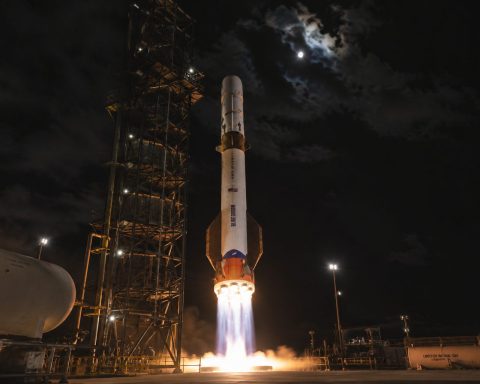
The risks didn’t take long to materialize. SpaceX called off Starship V3’s test flight in Texas just seconds from launch after a series of countdown pauses and a snag with the launch-tower arm. The company is aiming for another attempt Friday. Starship sits at the heart of Musk’s push to cut costs, ramp up Starlink, and drive ambitions ranging from moon trips to orbital data centers.
Valuation remains tricky. Georgetown finance professor Reena Aggarwal described a Musk “halo effect” when speaking with Reuters, noting that SpaceX is tough to value thanks to the lack of a real peer group for comparison. Reuters
Bezos downplayed the importance of any single listing, casting the sector as much larger. He pointed out that investors are throwing money at both strong and shaky ideas in AI and space—though in his view, that churn still moves the technology ahead. Public investors now face a tougher ask with SpaceX: does a business grounded in rockets and satellites justify a price tag that’s banking on a future still mostly on the drawing board?