
GREENBELT, Maryland, May 27, 2026, 11:08 EDT
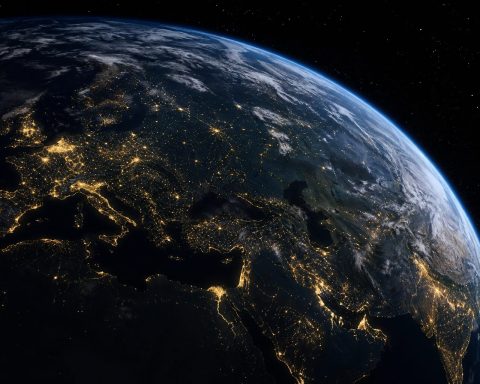
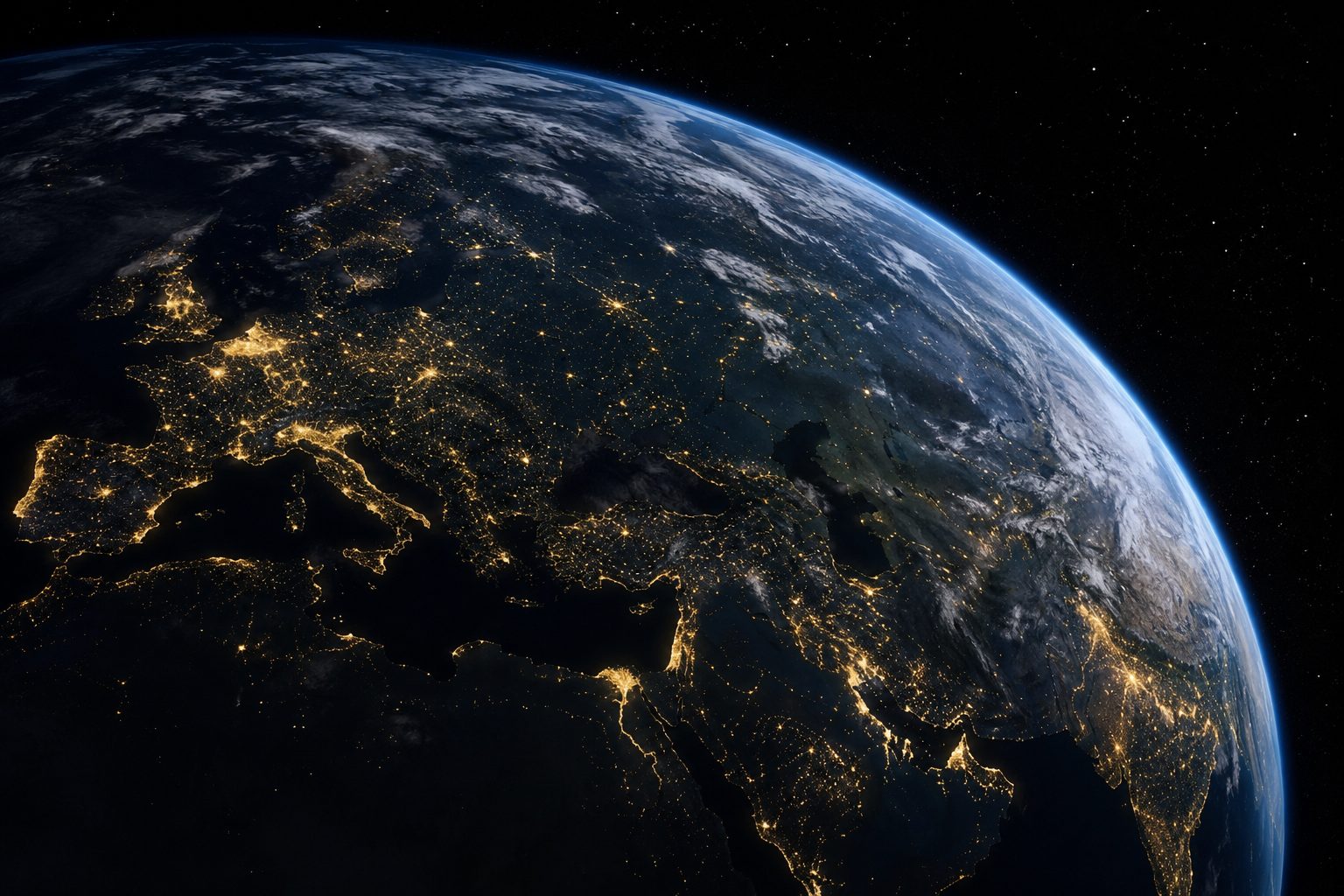
Earth’s nights are lighting up, though the pattern is far from uniform. NASA’s updated Black Marble maps reveal that between 2014 and 2022, swaths of the planet grew brighter after dark, while neighboring areas faded. The details, covered by Space.com on May 20, pull from NASA’s orbital images tracking artificial illumination.
This matters: nighttime light imagery has moved well beyond its stargazing origins. NASA’s Black Marble now serves as a monitoring tool for everything from gas flaring and light pollution to illegal fishing and disruptions in conflict zones. Some of those data products are updated fast—within roughly three hours, according to the agency.
A study out in Nature on April 8 reported a 16% net increase in global artificial light at night—ALAN—from 2014 through 2022. Brightening contributed an extra 34% over the 2014 baseline, but that was pared back by 18% due to dimming. Radiance here refers to the light energy picked up by the satellite sensor.
NASA’s Black Marble dataset, along with readings from the VIIRS instrument aboard the Suomi NPP, NOAA-20, and NOAA-21 satellites, forms the basis for these maps. According to NASA Earth Observatory, the sensors track nighttime light levels over time—daily, monthly, and yearly. The latest maps span the bulk of populated land stretching from 60 degrees south up to 70 degrees north.
Remote-sensing professor Zhe Zhu at the University of Connecticut, who led the study, described the planet’s nighttime lighting as “highly volatile” and said its footprint keeps “constantly expanding, contracting and shifting,” according to Reuters. The outlet noted that in 2022, the United States topped the list for total luminosity, trailed by China, India, Canada, then Brazil. Reuters
It’s a mixed picture across regions. NASA reported that city lights jumped in China and northern India as those areas urbanized. But policies aimed at saving energy and a switch to LEDs brought notable dimming in France, the U.K., and the Netherlands. The U.S. told a different story: more glow on the West Coast, less on much of the East.
Energy markets have been active in their own way. NASA’s satellite images captured erratic gas flaring in Texas’s Permian Basin and North Dakota’s Bakken Formation—burning off surplus gas from oil drilling sites. “Flared gas is money burned,” said Deborah Gordon, a methane specialist at the Rocky Mountain Institute, who didn’t take part in the study. NASA Science
What sets Black Marble apart is its timing. Previous Defense Meteorological Satellite Program records, along with annual or monthly VIIRS composites, were useful for tracking development, though aggregating them tended to mask sudden events—think blackouts, conflict zones, or bursts of industrial growth. The Nature team instead relied on daily imagery and a rolling change-detection approach.
The maps illustrate that a darker city isn’t necessarily a bad sign, nor is a brighter one always good. Less light could indicate conservation or efforts to reduce light pollution. On the other hand, it might point to power outages from war, grid breakdowns, or economic hardship.
There’s a hitch: VIIRS collects mostly upward light after midnight and picks up best on wavelengths in the 500 to 900 nanometer range. That leaves out a chunk of earlier evening lighting and misses parts of the spectrum. The authors noted that you can’t make a direct apples-to-apples comparison between satellite night-light readings and ground-based skyglow measurements.
Even so, researchers and policymakers aren’t looking away from the record—it’s become a rough, nightly snapshot of development, conflict, and regulation in action. Zhu, for one, called the signal the planet’s “heartbeat” when speaking to NASA, language that hits home: in the data, some regions flare up, others dim out, but rarely does it all go quiet. NASA Science