
San Francisco, May 27, 2026, 06:02 PDT
Big U.S. mutual funds and passive index players have started piling up cash, bracing for a wave of megacap IPOs—OpenAI sits right in the thick of the anticipated action. Goldman Sachs’ John Flood noted investors are “increasingly focused” on what these large IPOs waiting in the wings might mean for the market. Reuters
This isn’t just about OpenAI raising fresh capital anymore. Thanks to new fast-track inclusion policies at big index providers, heavyweight IPOs might hit major benchmarks quicker, meaning index funds could have to snap up shares much earlier than the old rulebook required.
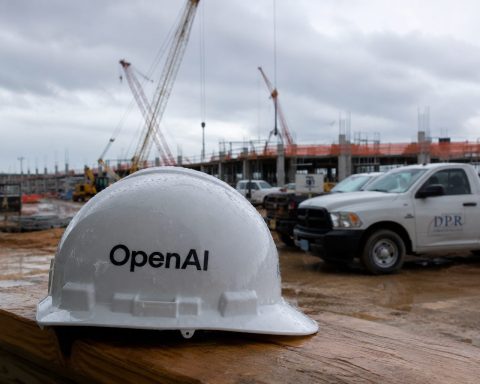
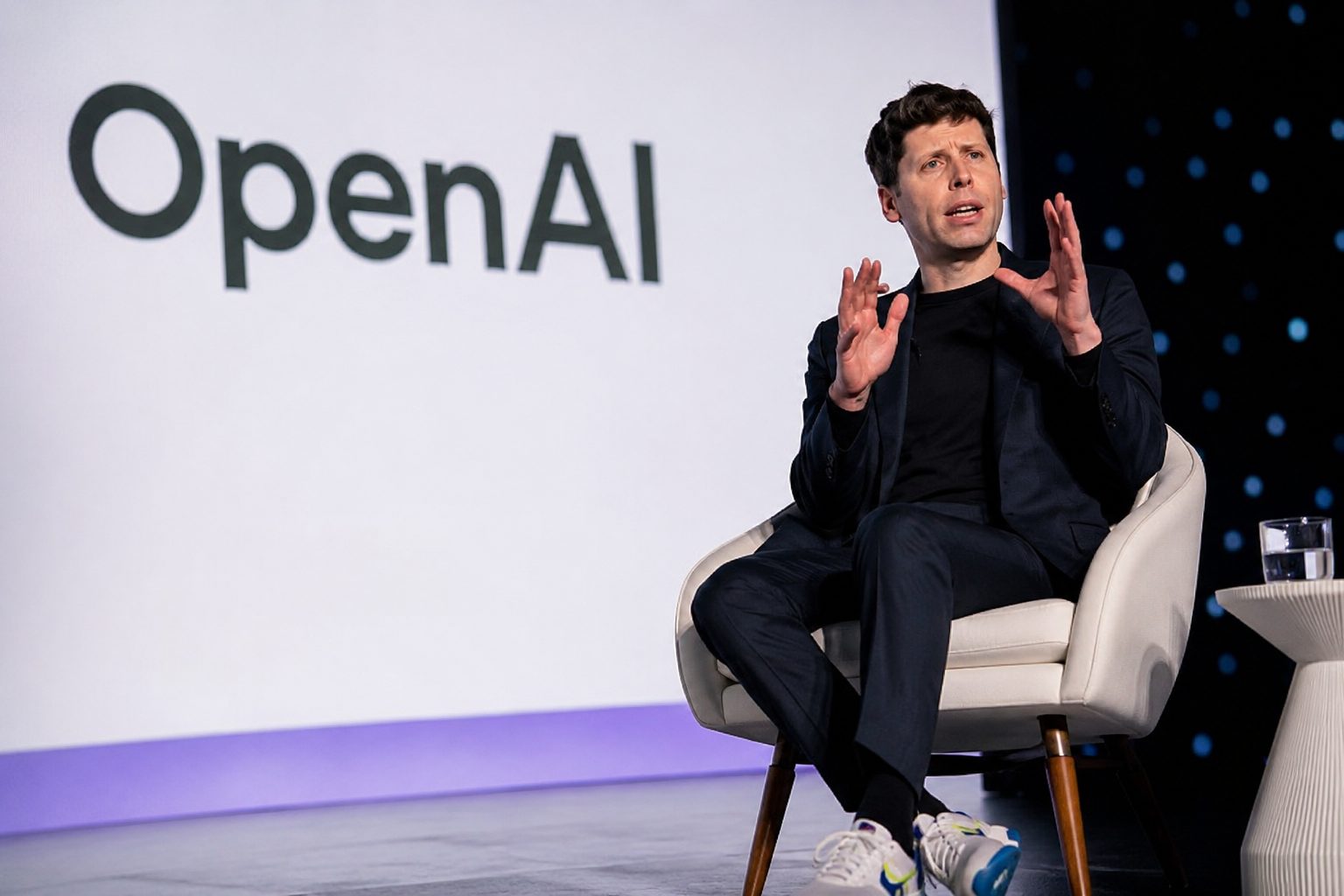
OpenAI is getting ready to submit confidential paperwork for a U.S. IPO in the next few weeks, Reuters said last week, citing sources with knowledge of the plans. The company is targeting a public listing as soon as September. IPOX Vice President Kat Liu pointed out that the timeline could have portfolio managers weighing OpenAI against SpaceX “side by side.” Reuters
By filing for an IPO confidentially, a company can begin the SEC’s review process without having to release its prospectus—the disclosure of its financials and risks—right away. Under SEC rules, the issuer must make the registration statement, along with previous private drafts, public no less than 15 days ahead of any planned roadshow, or ahead of the requested effective date if no roadshow is happening.
OpenAI hasn’t disclosed a timeline for its IPO. In a statement carried by Bloomberg Law, the company said it “regularly evaluate[s] a range of strategic options” and is still focused on execution. Sources familiar say Goldman Sachs and Morgan Stanley are involved in preparing the draft filing. Bloomberg Law
It’s all about the size here. In March, OpenAI announced a $122 billion funding round, pushing its post-money valuation to $852 billion. Monthly revenue? $2 billion, according to the company. ChatGPT is nearing 1 billion weekly active users, OpenAI said.
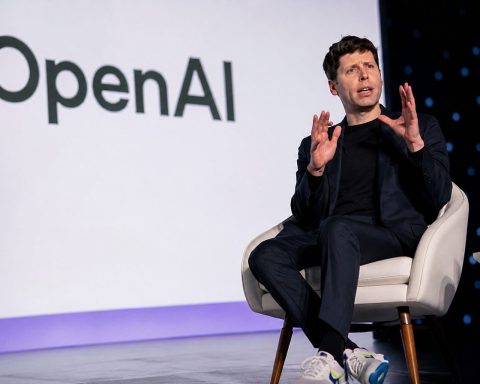
The door to the public markets swung open wider for OpenAI after last year’s Microsoft deal, restructuring the ChatGPT developer into a public benefit corporation with a nonprofit in control. At the time, Sam Altman pointed to an IPO as the most probable move, citing the immense capital required to build and operate cutting-edge AI systems.
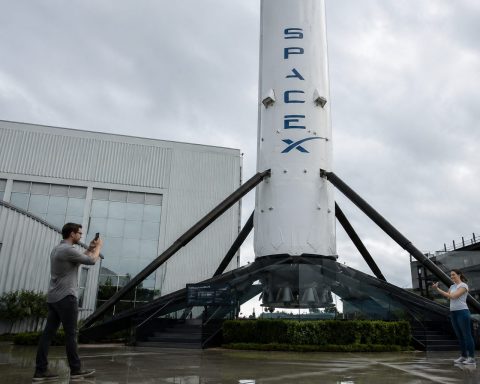
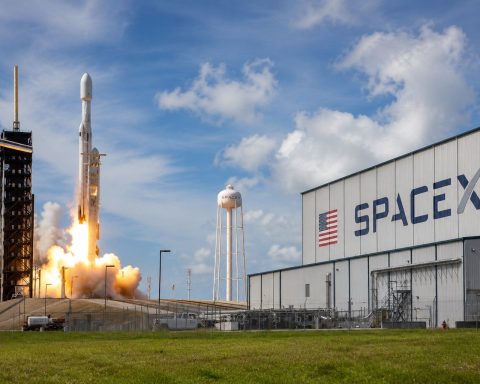
This isn’t your typical lineup. SpaceX—Elon Musk’s powerhouse in rockets and satellites—has its sights set on a Nasdaq debut as soon as June 12, after a June 4 roadshow, shooting for a roughly $1.75 trillion valuation, according to Reuters earlier this month. Anthropic is in the mix too, likely heading for the public market, which means investors may face three high-profile tech offerings crowding the calendar.
SpaceX got a boost from its latest Starship test, which analysts described as sufficient—if still rough around the edges. Mark Vena, CEO at SmartTech Research, pointed out that investors finally saw signs the new vehicle is “moving in the right direction.” James Bruegger of Seraphim Space, for his part, argued that the “real value lies” in achieving full reusability. Reuters
OpenAI is navigating a fresh challenge. The Financial Times reports that some investors are skeptical about its $852 billion price tag, especially as the company pivots further into enterprise offerings and coding tools to push back against Anthropic and Google. OpenAI, for its part, points to its latest fundraising rounds as evidence of deep investor confidence in its strategy and long-term prospects.
The retail interest isn’t lost on OpenAI. CFO Sarah Friar told CNBC back in April that OpenAI had “really strong demand” from individual investors during its latest private fundraising round. She also said a company of OpenAI’s scale ought to “look and feel and act” like a public firm, although she stopped short of giving any IPO timeline. Reuters
But speed doesn’t erase risk. Index inclusion tends to juice demand, sure, though fresh listings often start out with tiny benchmark weights. Once lockups end and insiders start selling, those shares can face heavier pressure. OpenAI still has to reckon with sky-high computing expenses, the rapid-fire shifts in AI, and a valuation already running into the hundreds of billions.