
WASHINGTON, May 27, 2026, 08:15 EDT
Jeff Bezos’ Blue Origin just secured a $188 million NASA contract to ferry lunar rovers to the moon’s south pole, a step forward in the agency’s push for a permanent base ahead of upcoming astronaut missions. NASA said the deal also carries a $280.4 million option period covering two task orders.
The timeline’s key now that Artemis is moving out of planning and into real hardware. NASA is juggling landers, rovers, and drones following Artemis II’s crewed lunar flyby in April. Later flights aim to back the first human landing on the moon since 1972.
NASA’s new Moon Base page lays out a sequence: first, robots, demonstration runs, and tech trials—then a shift to more lasting infrastructure and, eventually, a steady human foothold near the lunar south pole. That context is driving the current focus on the rover delivery contract.
Astrolab picked up a $219 million award from NASA, while Lunar Outpost landed $220 million as both firms get to work on the initial round of lunar terrain vehicles—rovers intended for both human and robotic missions. Firefly Aerospace, meanwhile, is on deck to develop the spacecraft slated to ferry MoonFall drones—compact aerial scouts that’ll reconnoiter landing zones—with a launch penciled in for 2028.
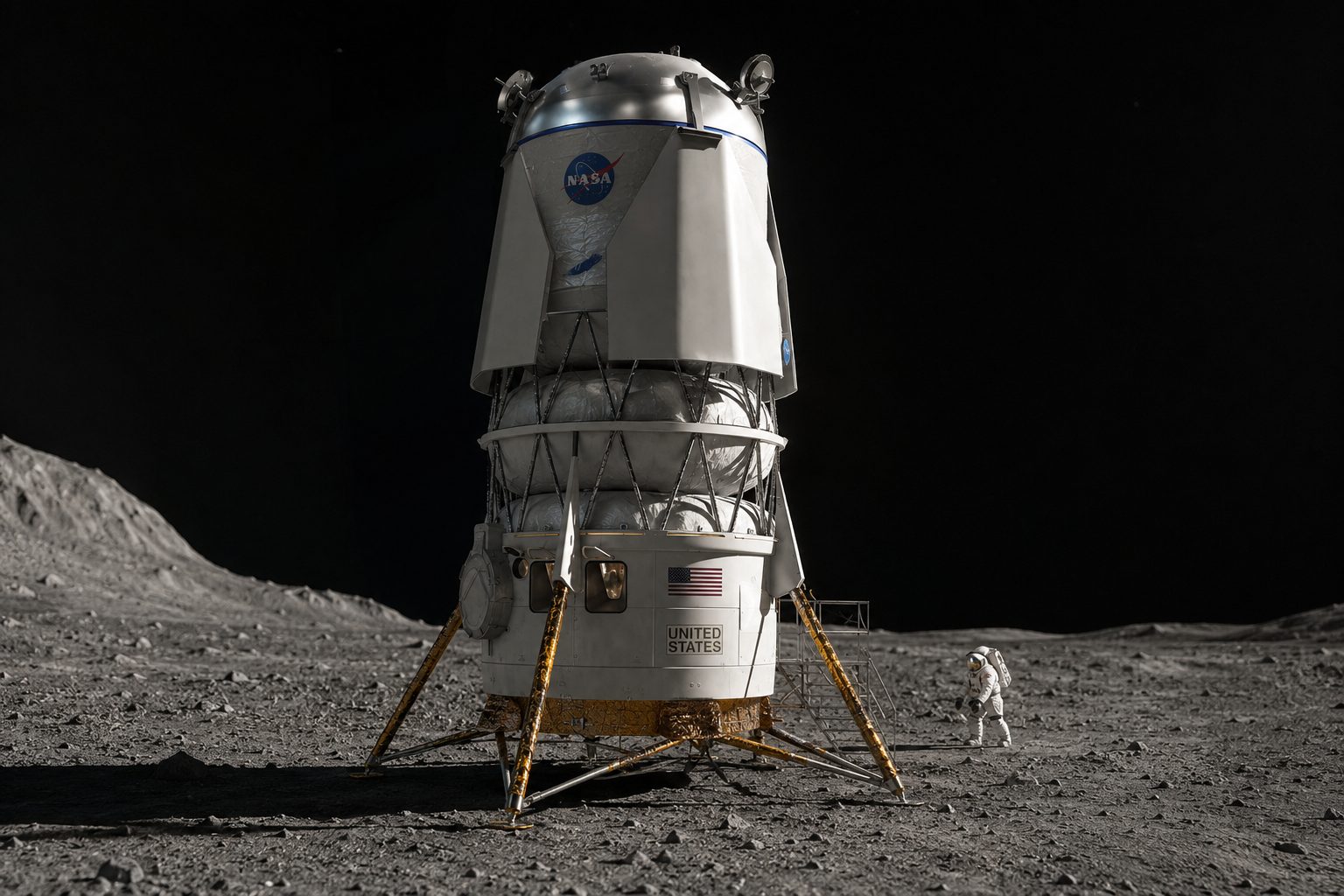
This follows a quieter milestone from last week: astronauts now have access to a full-scale mock-up of Blue Origin’s Blue Moon Mark 2 crew cabin at NASA’s Johnson Space Center in Houston. NASA said the cabin will serve for mission simulations as the agency gears up to dock with commercial landers in Earth orbit in 2027, aiming to put astronauts on the moon by 2028.
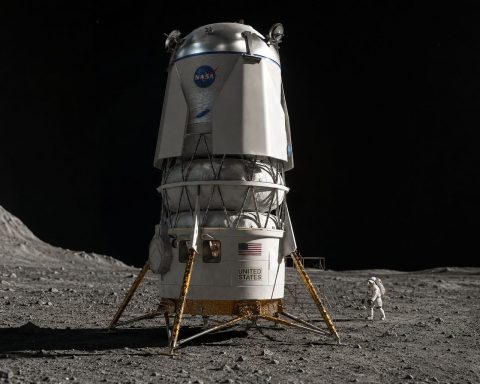
For now, Blue Origin is sticking to cargo missions. NASA confirmed that Moon Base I—scheduled to launch no earlier than fall 2026—will ride on Blue Origin’s Blue Moon Mark 1 Endurance lander. The lander’s manifest includes NASA payloads: cameras designed to monitor how landing thrusters impact the lunar surface, plus a laser reflector to help spacecraft determine their exact position.
NASA Administrator Jared Isaacman described the Moon Base as “America’s and humanity’s first outpost on another celestial world.” At Tuesday’s briefing, Lori Glaze—acting associate administrator for NASA’s Exploration Systems Development Mission Directorate—put it bluntly: “Through Artemis, we are going. And with Moon Base, we’re going to stay.” The Washington Post
NASA has quietly shifted the focus for Artemis III. Rather than planning it as the next moon landing, the agency now describes the 2027 mission as a test flight. According to its official mission page, the crewed Orion capsule will head to low Earth orbit and try out rendezvous and docking maneuvers with commercial landers from Blue Origin and SpaceX—potentially both. This zone is familiar ground for crew operations.
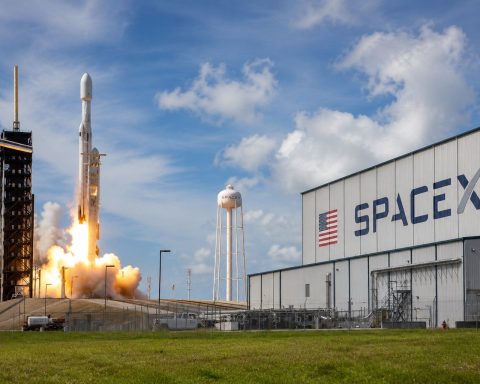
SpaceX stays in the mix. NASA is still choosing between SpaceX’s Starship Human Landing System and Blue Origin’s Blue Moon for its main commercial crew lander, while Astrolab, Lunar Outpost, and Firefly focus on surface mobility and scouting tech.
Blue Origin touts the Mark 1 cargo lander as capable of hauling as much as three metric tons to any spot on the Moon. The Mark 2, designed for both crew and cargo, is still in the works to meet NASA’s safety specs. None of those numbers have faced a real flight test yet.
It comes down to timing. Clayton Swope, senior fellow at the Center for Strategic and International Studies, argued in April that NASA’s revised Artemis timeline doesn’t get around the core issue: if landers or spacesuits aren’t finished on time, the agency’s still vulnerable. Risks tied to the human landing system “remain as acute now as they did” before the program overhaul, he noted. CSIS
Technical hurdles remain. According to Space.com, NASA won’t clear either Starship or Blue Moon for crewed missions until both spacecraft prove they can handle cryogenic propellants—fuels that must stay ultra-cold—including in-space transfer and long-duration storage. Each also needs to pull off an uncrewed lunar landing demonstration first.
Blue Origin’s new award doesn’t close the chapter with SpaceX. What it does is push Bezos’ team into a higher-profile role in the initial set of moon-base hardware—last week’s training mock-up now folds into a wider effort to land machines on the lunar surface ahead of any crewed missions.