
SAN FRANCISCO, May 28, 2026, 07:03 PDT
- OpenAI’s nonprofit parent is backing fresh funding aimed at AI’s impact on jobs, just as the company edges nearer to public markets.
- Big funds aren’t waiting around—they’re gearing up in advance for potential blockbuster IPOs from OpenAI, SpaceX, and Anthropic.
- There’s still the risk that investors could push OpenAI on issues like spending, governance, and competition ahead of any listing.
OpenAI’s nonprofit parent has pledged $250 million up front to support workers and economies facing artificial intelligence upheaval, drawing more attention to the ChatGPT maker’s public-interest activities as a potential public listing looms. According to Reuters, funds will be used for grants, partnerships, and hands-on projects exploring AI’s labor-market impacts.
Timing is key here. According to analysts, big mutual funds and passive index funds have started setting aside cash, getting ready to trim some of their large-cap names ahead of possible major IPOs from SpaceX, OpenAI, and Anthropic. John Flood at Goldman Sachs noted that investors are “increasingly focused” on the potential impact from these sizable IPOs still in the pipeline, adding that funds moved to raise cash before each of the four biggest IPOs in recent decades. Reuters
OpenAI is getting ready to send in paperwork for a U.S. IPO in the weeks ahead, according to Reuters, which cited a source with knowledge of the process last week. The company, best known for its AI breakthroughs, is targeting a public debut as soon as September. Goldman Sachs and Morgan Stanley are involved, helping OpenAI put together a draft prospectus, sources told Reuters.
The foundation pitched its $250 million initiative as a real-world trial run, aiming to figure out workable responses before AI’s true impact comes into focus. In a post, Divya Siddarth and OpenAI co-founder Wojciech Zaremba said the funding will help track AI’s effects on the economy, offer support to workers facing near-term turbulence, and look for ways to spread the benefits of AI more widely. “The window to get this right is shorter than we’re used to,” they wrote. OpenAI Foundation
The nonprofit does more than just lend its name. Back in October, OpenAI stated that after recapitalization, the OpenAI Foundation retained control over its for-profit arm, now operating as OpenAI Group PBC—a public benefit corporation designed to weigh profit against public-interest commitments. The foundation, according to OpenAI, held equity worth roughly $130 billion at that point.
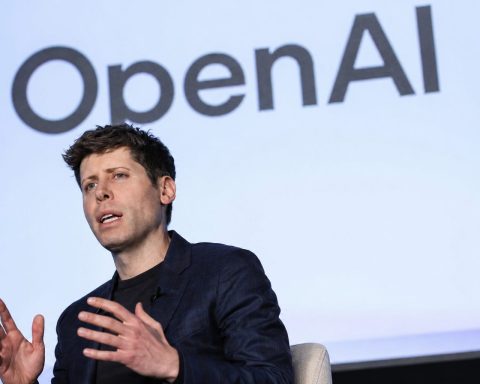
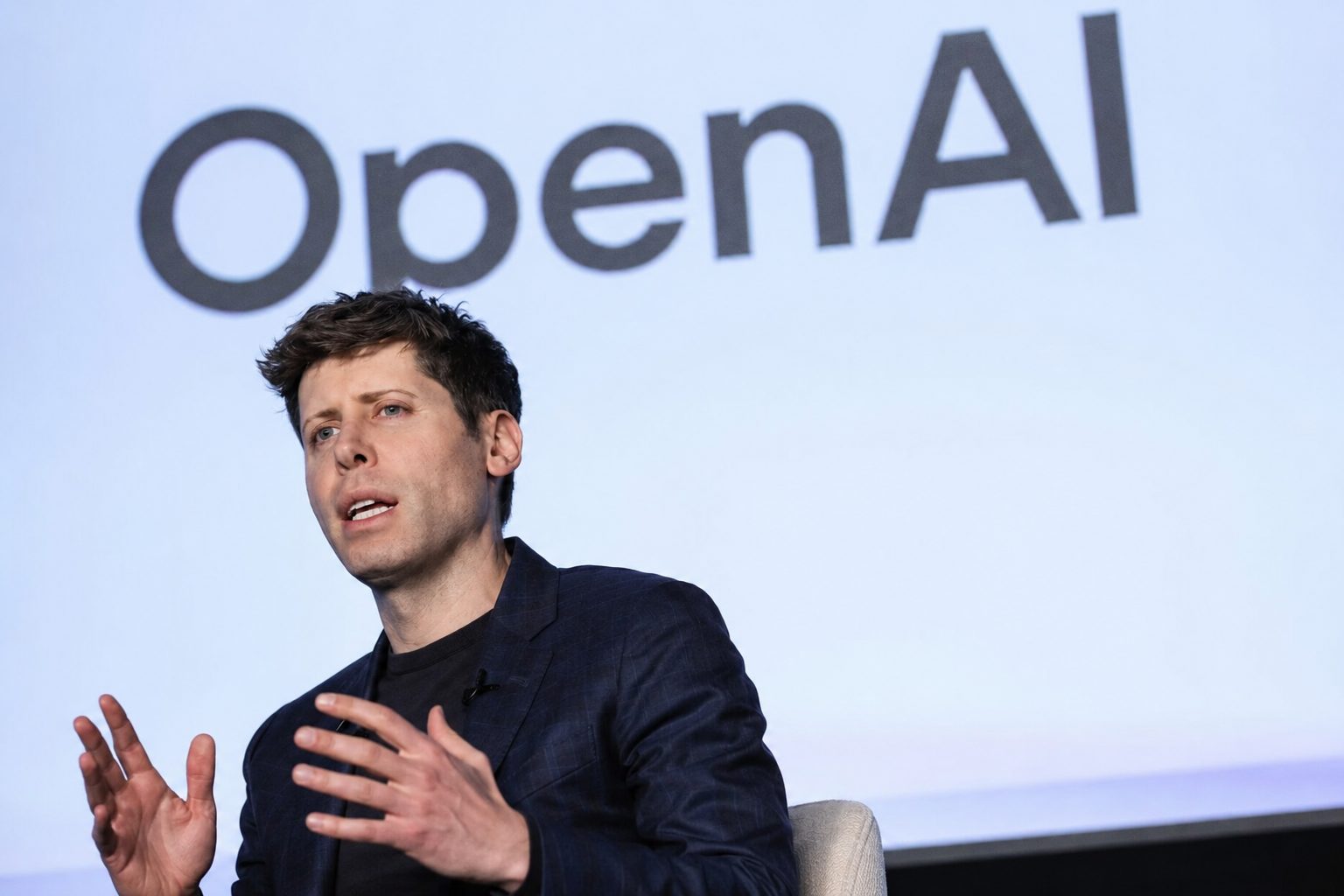
Sam Altman, the chief executive, is pushing back on concerns about AI wiping out jobs. During a virtual appearance at a Commonwealth Bank of Australia event this week, Altman said he hasn’t seen the wave of white-collar layoffs from AI he once anticipated, adding that fears of a “jobs apocalypse” are overblown, despite some companies in the industry raising alarms. Reuters
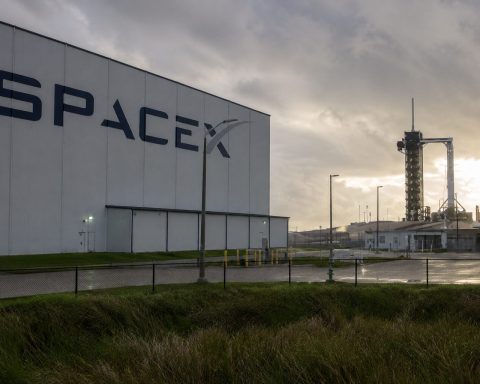
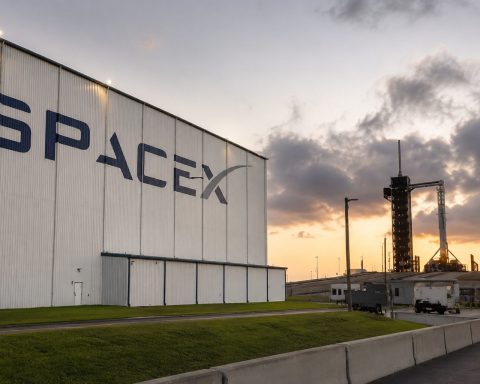
The field for public offerings is filling up, with SpaceX now cleared for rapid inclusion in Russell and FTSE global indexes, according to FTSE Russell this week. Under the newly updated rules, “fast entry” will let a fresh listing like SpaceX join key benchmarks almost immediately—a move that pushes passive funds to snap up shares. Reuters has reported SpaceX is targeting a public debut that could peg its value near $1.75 trillion. Reuters
SpaceX is making a push into AI infrastructure. On Thursday, Musk said the company reached a deal to lease its Colossus AI training data-center clusters to Anthropic for a six-month term, with the possibility of extending. According to SpaceX’s filing, Anthropic is on the hook for $1.25 billion each month for compute capacity — that includes the necessary servers and chips for AI model work — through May 2029, though both sides have termination rights.
OpenAI faces hefty funding requirements. Back in February, the company said it had secured $110 billion in fresh capital at a pre-money valuation of $730 billion—SoftBank and Nvidia each put in $30 billion, while Amazon chipped in $50 billion. OpenAI reported growing demand spanning consumers, developers, and businesses, noting that over 9 million paying business users were on ChatGPT for work.
The road’s been bumpy. The Wall Street Journal, citing Reuters, said OpenAI recently fell short of some revenue and user goals and let Anthropic gain ground in both coding and enterprise segments. CEO Sam Altman and CFO Sarah Friar, though, dismissed worries about compute costs, insisting they’re “totally aligned” on aggressively expanding capacity. Reuters
Legal and governance uncertainty continues to hang over OpenAI. The company, gearing up for a possible IPO, has boosted its lineup of external law firms to handle a slate of lawsuits. OpenAI recently won a court battle against Elon Musk, who accused it of abandoning its nonprofit roots, but it’s still entangled in other legal fights — including actions from Musk’s xAI and several copyright challengers. OpenAI rejects xAI’s allegations and maintains that its use of copyrighted works falls under fair use.
Right now, that $250 million commitment is modest compared to what OpenAI could target from public markets. Yet it clarifies the company’s split priorities: on one hand, expansion, computing power and chasing market share; on the other, the public mission, protections for workers, and oversight from a nonprofit.