
CAPE CANAVERAL, Florida, June 1, 2026, 07:02 EDT
- Blue Origin is looking at months of delays after its sole Florida launch pad was hit by a New Glenn rocket explosion.
- NASA has tapped Blue Origin for a crucial early Moon Base delivery, part of its Artemis landing objectives.
- SpaceX has the upper hand for now, though NASA’s requirement for multiple lunar lander providers remains unchanged.
Blue Origin is staring down a delay lasting several months after its New Glenn rocket blew up in a Florida ground test, leaving the launch pad damaged and putting a question mark over NASA’s upcoming Moon Base and Artemis plans. The setback lands as Jeff Bezos’ company tries to shift from blueprints and agreements to actually sending lunar gear skyward.
Tough timing for NASA. Just days ahead of the blast, the agency announced that Blue Origin’s Blue Moon Mark 1 Endurance lander wouldn’t head to the Shackleton Connecting Ridge before fall 2026, with plans to ferry instruments toward the lunar south pole. NASA linked this flight directly to risk reduction for Artemis crewed landings set for 2028.
Four astronauts are slated to ride Orion for Artemis III, with the mission set to tackle orbital rendezvous and docking using commercial lander prototypes from Blue Origin and SpaceX. NASA is targeting June 9 for the crew announcement, which will happen at Johnson Space Center in Houston.
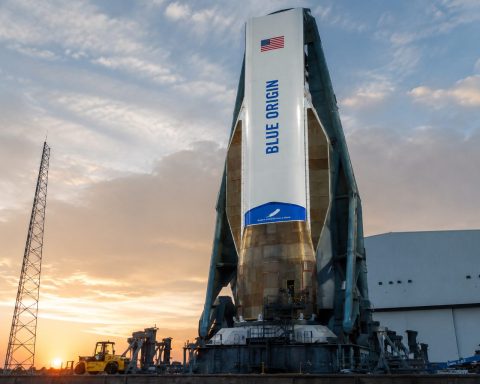
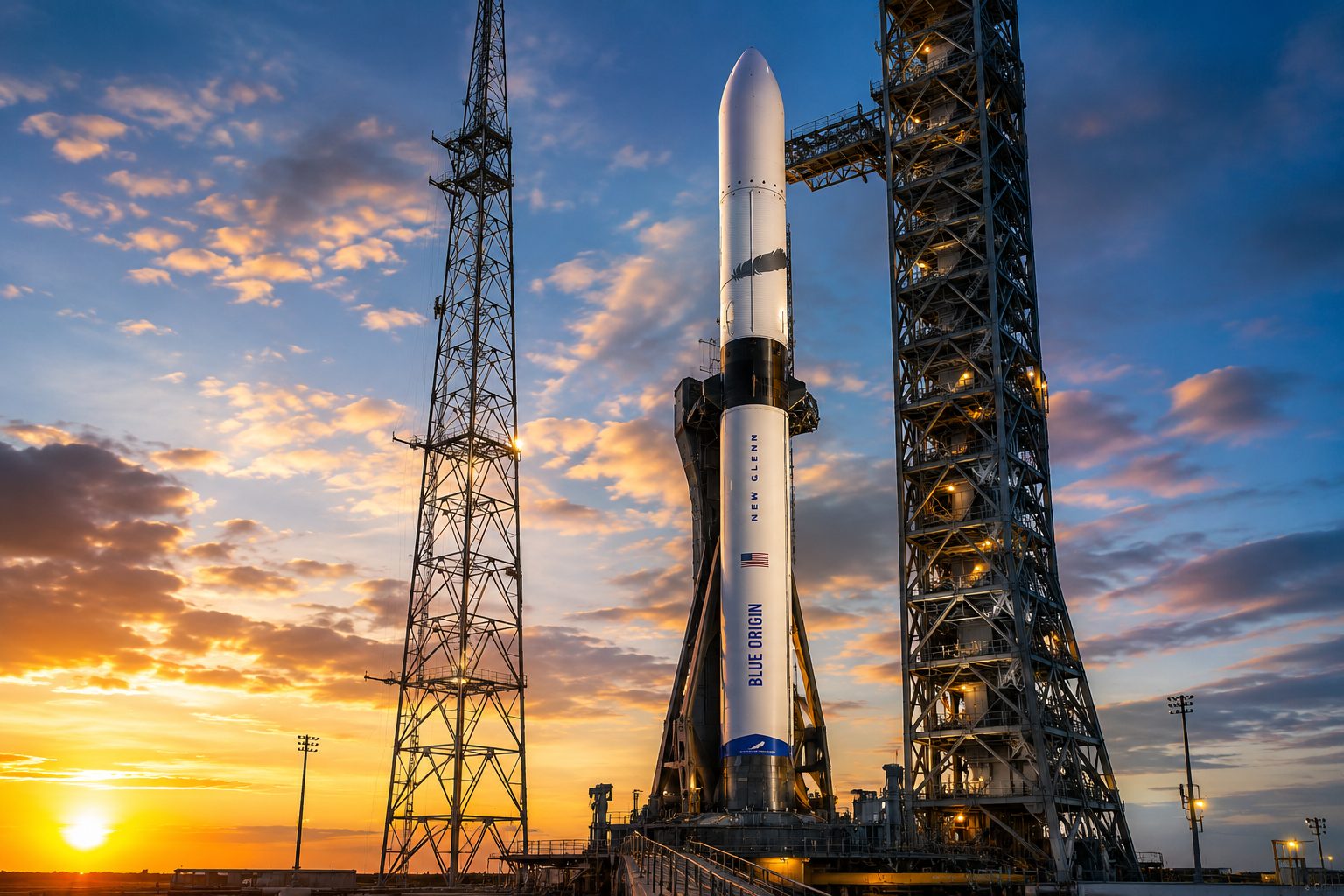
Engineers were setting up for a static fire at Launch Complex 36 on May 28 when an explosion rocked the site. The test, which involves firing the engines while the rocket stays anchored, left structures at the pad visibly damaged, according to aerial images. There were no injuries reported. Emergency officials cautioned locals against handling any debris that might drift ashore.
Bezos called it a “very rough day” and told reporters the company would rebuild, adding it’s still too soon to pinpoint what went wrong. “Spaceflight is unforgiving,” NASA Administrator Jared Isaacman said, noting that the agency will review potential impacts on Artemis and Moon Base efforts. CBS News
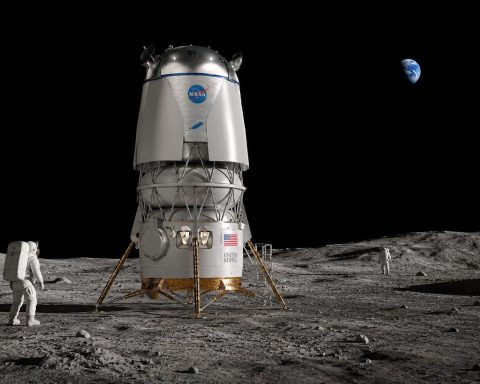
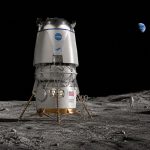
New Glenn is a critical piece for Blue Origin, with the company’s lunar plans riding on its success. Blue Origin says the Blue Moon Mark 1 cargo lander—intended for a single launch aboard New Glenn—can haul as much as three metric tons to the Moon. There’s also a pathfinder mission lined up to validate the BE-7 engine, avionics, and the lander’s precision landing capabilities.
NASA’s revised Artemis III blueprint is a tangle of logistics. The agency outlined a plan for Orion to fly in low Earth orbit—sticking much closer to home than the Moon—and to run test maneuvers using both a SpaceX Starship human landing system pathfinder and a Blue Origin Blue Moon Mark 2 pathfinder. “An important stepping stone,” NASA’s Jeremy Parsons said, labeling Artemis III as “one of the most highly complex missions NASA has undertaken.” NASA
The Blue Moon Mark 2 lander has moved beyond sketches. NASA now has a full-size mock-up of the crew cabin—over 15 feet high—up and running at Johnson Space Center for astronaut training and design evaluations. The actual flight model should reach about 52 feet and is set to shuttle two astronauts between lunar orbit and the moon’s surface.
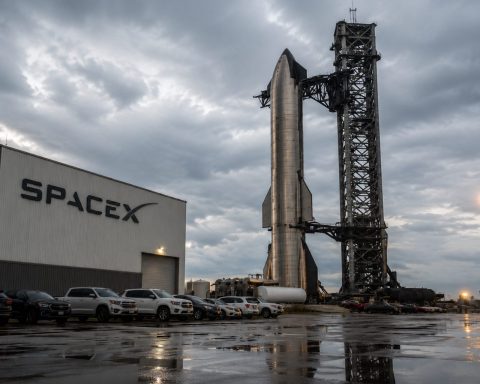
The landscape is changing. SpaceX still stands as NASA’s additional crew lander partner, and Astrobotic plus Intuitive Machines are lined up to handle their own robotic Moon Base cargo missions. Now, with Blue Origin’s launch pad sidelined, NASA’s options tighten—at least until investigators figure out if the breakdown stemmed from the rocket, the ground setup, or a combination.
Antoine Grenier, an analyst at Analysys Mason, told Reuters Blue Origin isn’t out for good, but “it will take months to rebuild.” Seraphim Space CEO Mark Boggett noted the market remains hungry for “viable alternatives”—with SpaceX likely to widen its lead for now, though that doesn’t erase the need for competition among launch providers. Reuters
Schedule creep is the main risk here. Should the problem come down to New Glenn’s BE-4 engines, it’s not just Blue Origin in the crosshairs—United Launch Alliance’s Vulcan rocket relies on those same BE-4s. If the culprit is mostly pad damage, that’s still a long fix ahead, with Blue Origin lacking a second New Glenn pad to move operations. CBS News flagged that Artemis III might not launch before 2028 if New Glenn remains on the ground for months, although NASA hasn’t announced any changes or delays so far.
Back in 2023, NASA handed Blue Origin a $3.4 billion fixed-price contract, making it the second human lunar lander provider for Artemis—SpaceX remains the other. At the time, NASA argued that fielding two lander designs would bolster both competition and resilience. That promise is facing a test now, after the Cape Canaveral explosion.