
NEW YORK, June 1, 2026, 14:04 EDT
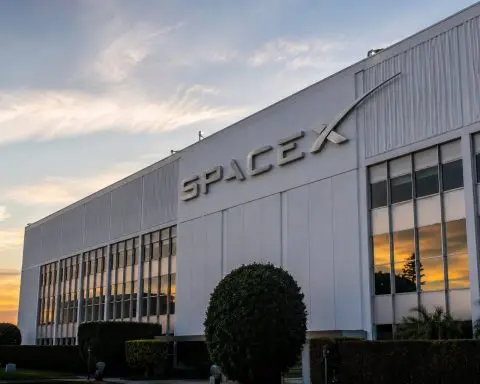
SpaceX is carving out as much as 5% of its IPO shares for select employees along with friends and family of executive officers, according to an amended filing posted Monday. Insiders now have a concrete allocation in what could shape up to be one of the biggest stock-market debuts ever. This comes less than two weeks after Jeff Bezos refused to sign off on a specific valuation for SpaceX, though he did remark that the overall space sector is poised for much greater scale.
The clock is ticking as SpaceX shifts from private-market icon to the latest public-market experiment. According to Reuters, the company plans to kick off its roadshow June 4, with shares possibly up for grabs by June 11 and a listing eyed as soon as June 12. FTSE Russell, for its part, has said SpaceX could snag fast-track entry into major U.S. and global indexes after the IPO.
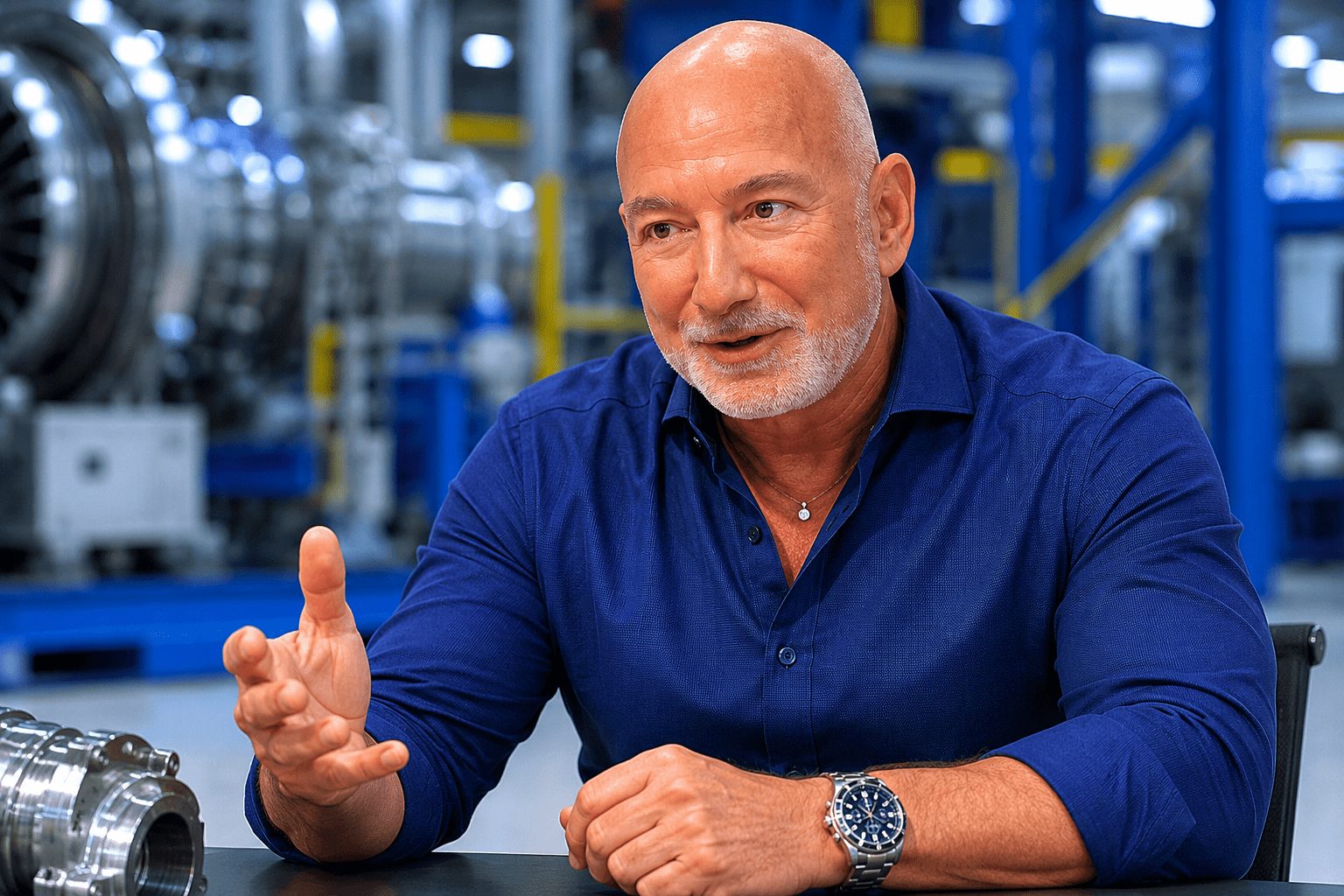
Jeff Bezos, interviewed by CNBC at Blue Origin’s rocket factory on Merritt Island, Florida, said he isn’t familiar enough with SpaceX’s finances to weigh in on whether the company deserves a $1.75 trillion, $2 trillion, or any other valuation. “Space is going to be a gigantic industry,” Bezos said, but described two-to-three-year projections for space-based data centers as “probably a little ambitious.” Versant Press Room
SpaceX is tapping a directed share program for its IPO, reserving stock at the offering price for certain buyers. The latest prospectus puts a number on exactly how much stock will go into that pool. Earlier filings only mentioned that people on SpaceX’s friends-and-family list wouldn’t be subject to a lock-up—the usual restriction that would have blocked them from selling soon after the listing.
The filing peeled back the layers for investors, highlighting exactly what’s fueling that price tag. According to Reuters, SpaceX booked a $1.94 billion operating loss on $4.69 billion in first-quarter revenue. Starlink, its satellite internet arm, delivered a $1.19 billion operating profit. But the numbers also revealed: the AI division racked up $2.47 billion in losses. Musk’s grip remains firm—he holds 85.1% of the combined voting power.
The IPO’s bigger than rockets alone. SpaceX is pitching everything from reusable launches and Starlink’s subscriber base to military contracts, Mars plans, and maybe even orbital AI data centers — think computing hubs in space, tapping steady solar energy and easing the load on power-hungry facilities down here.
Bezos has his hands full in the same high-stakes sectors. Blue Origin is working on its heavy-lift rocket, New Glenn, and Amazon’s also building out its own low-Earth-orbit satellite network, Leo, to square off with SpaceX’s Starlink. On Monday, Business Insider reported that an Amazon executive assured employees their satellites weren’t involved in the recent New Glenn hot-fire test explosion at Cape Canaveral. Less than a quarter of Amazon’s 100-plus planned Leo launches are tied to New Glenn, the executive said.
SpaceX’s dominance is clear—its grip on global launch capacity remains firm, with Starlink racing ahead in satellite broadband. Rivals like Blue Origin and Amazon haven’t managed to match that pace yet; they’re still working to demonstrate large-scale launches, deployments, and operations. The latest setback highlights just how much ground they have left to cover.
But there’s a catch. The IPO structure hands Musk sweeping authority, leaving incoming shareholders with limited recourse if SpaceX fails to deliver—or if heavy spending on AI and Mars projects overtakes cash coming in from Starlink. Bruce Herbert, CEO of Newground Social Investment, described the setup as a “total lack of accountability,” he told Reuters. Ann Lipton, a law professor at the University of Colorado, also pointed out that even with these terms, plenty of portfolio managers may feel pressure to buy if SpaceX becomes a major force in the market. Reuters
Expect some turbulence once trading starts. SpaceX is setting up a staggered process that, according to Reuters, could let certain shareholders cash out ahead of the standard 180-day lock-up—as long as performance targets are met. Ali Perry, an attorney at Mayer Brown, told Reuters this approach might dodge the abrupt “lock-up cliff,” but really it just shifts the pressure from insider sales rather than getting rid of it. Reuters
Bezos stands to gain and squirm from a SpaceX IPO. A robust debut might boost valuations across the space sector—Blue Origin included—but it would also put in sharp relief how much Musk’s group has outpaced rivals in launches and satellite internet.
This is the shape of the market as the deal takes hold: investors have to put a price on a business showing actual revenue, tangible losses, and promises that stretch well into the future. Bezos didn’t back the number—he backed the race.