
New York, June 1, 2026, 16:01 (EDT)
- SpaceX has tweaked its IPO paperwork, setting aside as much as 5% of shares for selected employees, plus friends and relatives of top execs.
- Goldman Sachs holds the lead-left position, topping the IPO underwriter lineup. Morgan Stanley is in, alongside other big banks on the transaction.
- This offering will put fund cash reserves, index inclusion criteria, and investor demand for AI-related mega-listings to the test.
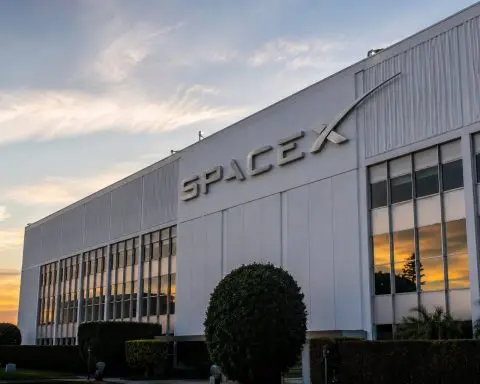
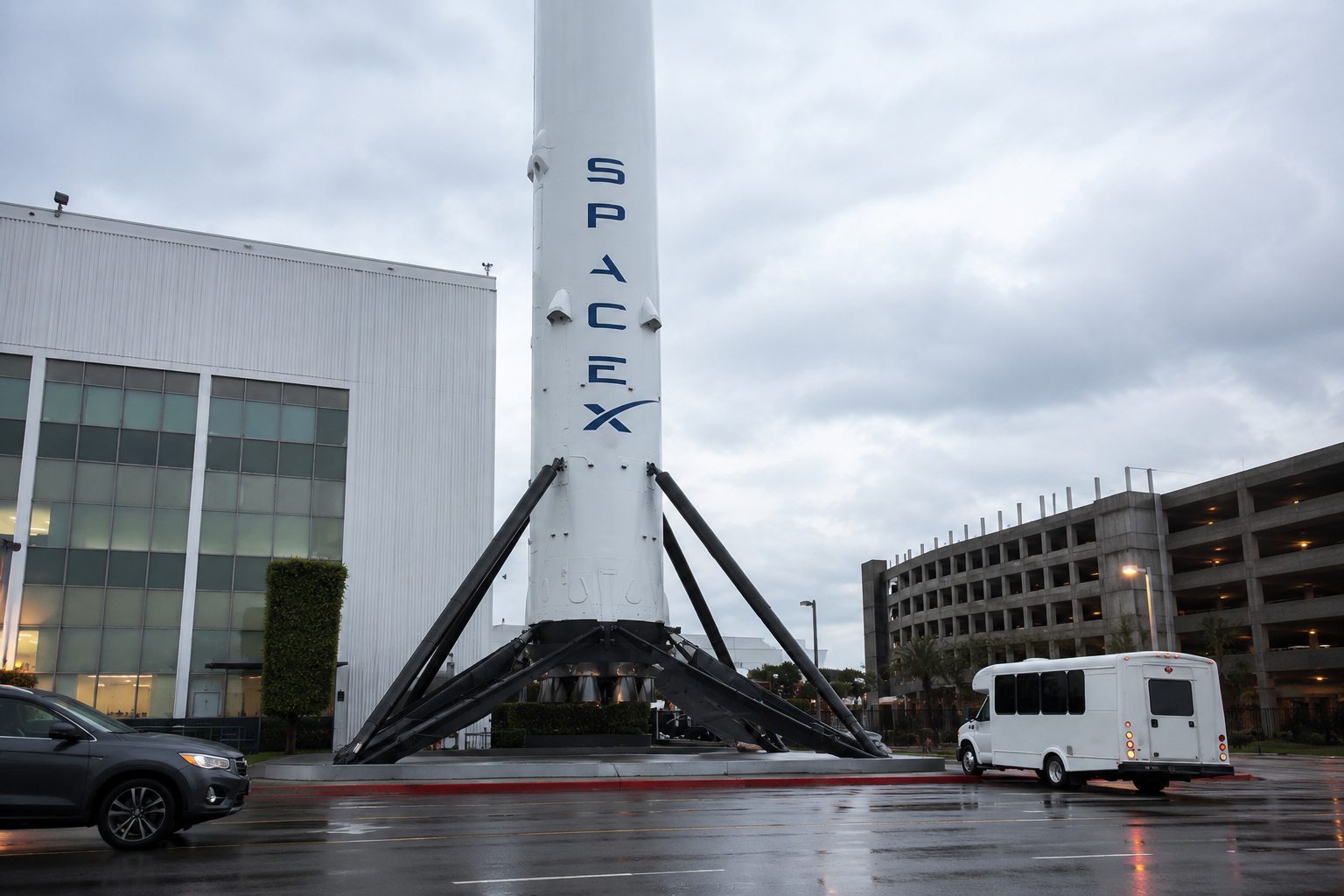
SpaceX plans to set aside as much as 5% of shares in its upcoming IPO for select employees and friends and family of executive officers—a fresh detail in what could become the biggest public listing ever. The company revealed the directed share program, which lets certain people buy IPO stock at the offering price, in a filing update Monday.
Timing could be critical here. SpaceX is gearing up for an IPO before the month ends, with investors eyeing a potential $75 billion raise and floating valuation estimates between $1.75 trillion and $2 trillion. That kind of figure would thrust Elon Musk’s rocket and satellite outfit into the top tier of the world’s most valuable publicly traded firms.
Goldman Sachs will take the lead-left slot for the IPO—that’s banker shorthand for top dog on the underwriting lineup. According to Reuters, Morgan Stanley, Bank of America, Citigroup, and JPMorgan join the front of the pack, while 16 additional banks are listed further down the roster.
The filing spells out that 5% of shares will be available at the IPO price. According to MarketWatch, shares reserved under this program could be sold sooner than insider stock, since the usual lock-up period won’t apply.
According to MarketWatch, over 60% of SpaceX’s outstanding common stock—including Musk’s own shares—is locked up, based on figures from the filing. Musk faces a restriction: he can’t sell until a year and a day after SpaceX completes its prospectus steps.
Space Exploration Technologies Corp.—SpaceX’s legal name—submitted its initial S-1 registration to the U.S. Securities and Exchange Commission on May 20. According to the SEC’s filing index, that submission is linked to 110 documents, covering both the prospectus and various exhibits.
News from Barron’s that Goldman was tapped for the lead spot sharpened focus on what’s at play for Wall Street in this deal. For Goldman, Morgan Stanley, and the rest of the syndicate, the IPO arrives with a shot at fees—and bragging rights—as big equity deals start to reappear after a sluggish period for listings.
SpaceX logged a $4.9 billion loss last year on revenue of $18.7 billion, according to figures from its S-1 cited by Business Insider. University of Florida finance professor Jay Ritter, an IPO specialist, described the private-market valuation as “unprecedented,” Business Insider noted. Business Insider
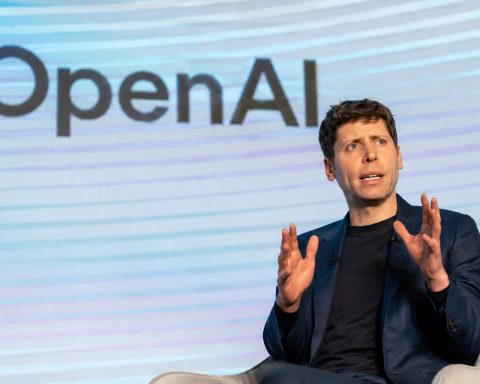
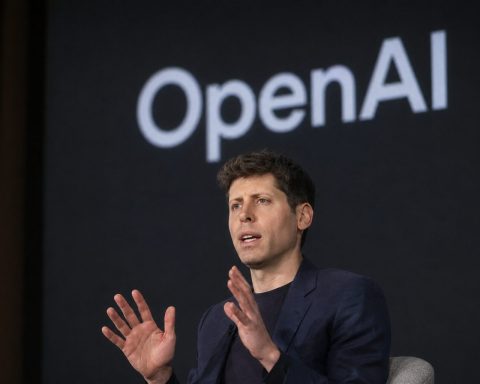
The agreement lands against the backdrop of a scramble among heavyweight private tech firms. Reuters noted that funds are already setting aside capital for potential debuts from SpaceX and OpenAI. Anthropic, too, is widely expected to make a play for the public markets. John Flood, managing director at Goldman Sachs, flagged in a note that investors have grown “increasingly focused” on how a wave of major IPOs will hit the pipeline. Reuters
Another squeeze: index entry. FTSE Russell flagged SpaceX as qualifying for fast-tracked inclusion in its U.S. and global indexes under updated guidelines, putting its investable market cap at roughly $70 billion. Indexes move the needle—funds tied to those benchmarks usually need to buy in, regardless of their view on the stock.
Still, the offering isn’t without risk. A group advising union pension funds called on the SEC to take a close look at SpaceX’s disclosures, raising flags over financial reliability, transactions between Musk-run firms, and potential conflicts of interest. As of press time, neither SpaceX nor Musk had replied to Reuters’ requests for comment.
Mechanical risk looms over the market here. Should the raise hit what investors are bracing for, funds might need to unload other big names to clear out space for SpaceX—especially if those shares are added to major indexes in short order. John Higgins, chief economic adviser for financial markets at Capital Economics, told Barron’s this flood of expected AI-related deals from SpaceX, Anthropic, and OpenAI will be a “big test” for market resilience. Barron’s