
WASHINGTON, June 5, 2026, 09:04 EDT
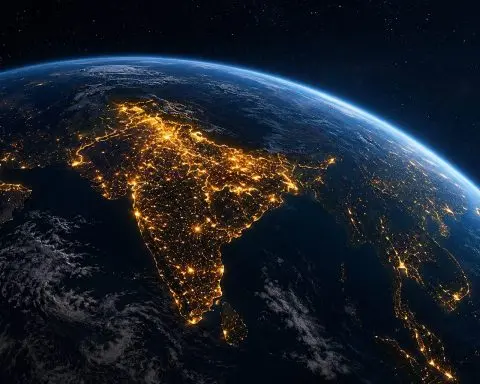
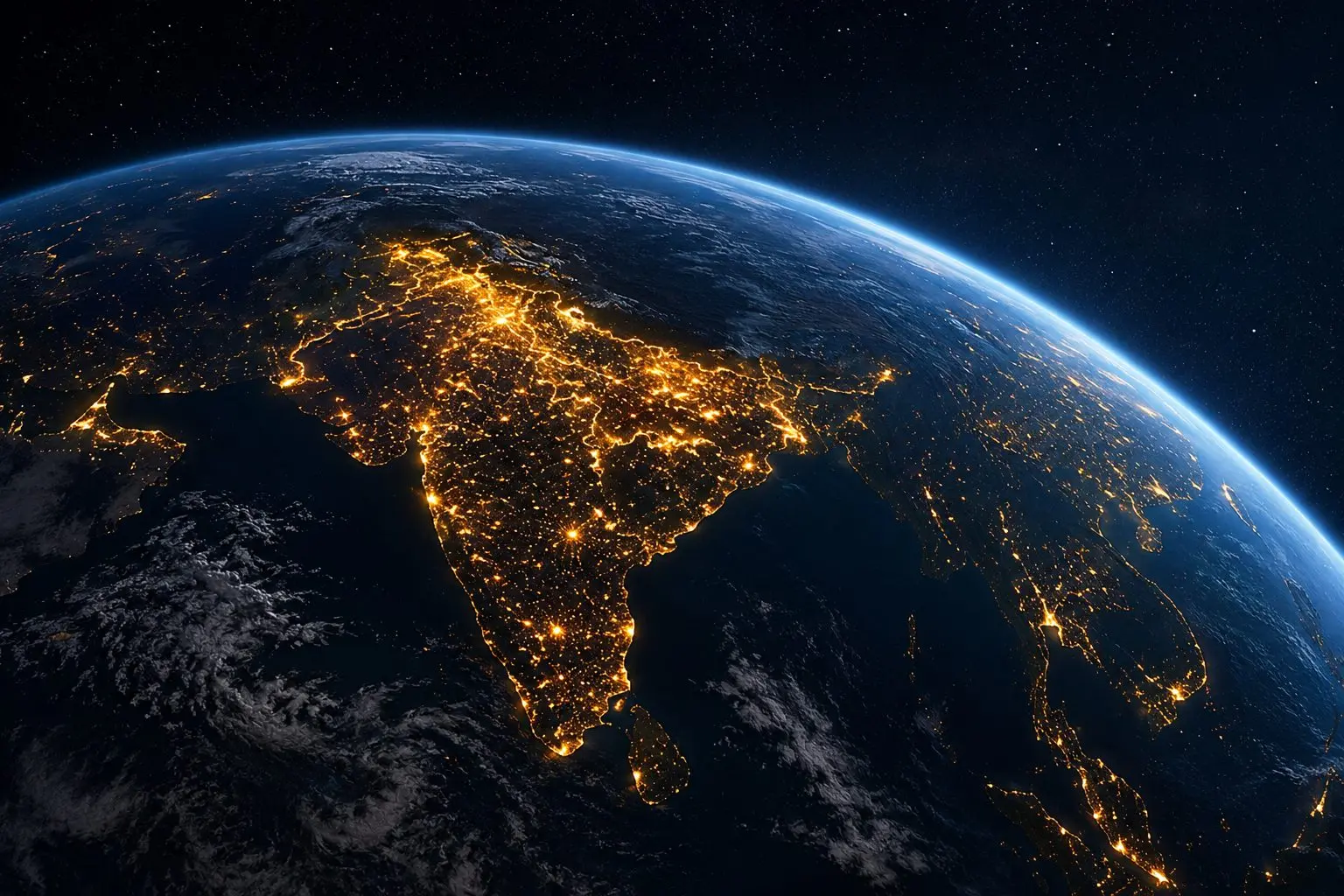
NASA’s updated Black Marble night-light images reveal a world lighting up after dark, though the pattern isn’t straightforward. Researchers looking at satellite data from 2014 through 2022 found cities, power grids, and industry boosting nighttime brightness in plenty of regions. But some areas lost light, dimmed by war, economic hardship, or intentional efforts to curb outdoor lighting.
This finding is grabbing attention right now, since nighttime lights serve as a quick proxy for human movement—electricity’s reach, factories’ hum, city sprawl, or abrupt shocks. The maps also quantify something fuzzier: light pollution. That’s the artificial glow that throws off wildlife, disturbs people’s sleep, and complicates astronomy.
Researchers publishing in Nature on April 8 analyzed daily nighttime satellite images, revealing that added brightness pushed global radiance up by 34% compared to 2014 levels. Dimming, on the other hand, reduced that by 18%. Both trends grew stronger during the study period, according to the authors—upending the longstanding assumption that the world’s night lights only grow brighter.
NASA’s effort relies on Black Marble, a set of products built around data from the Visible Infrared Imaging Radiometer Suite, or VIIRS, sensors aboard the Suomi NPP, NOAA-20 and NOAA-21 satellites. VIIRS specializes in detecting dim signals from orbit, picking out city lights, factories and other subtle activity—even after filtering out interference from clouds, snow, moonlight and the atmosphere.
“Earth at night has so much to teach us,” said Miguel Román, deputy director for atmospheres and data systems at NASA’s Goddard Space Flight Center, according to NASA’s April writeup of the study. NASA reported that the team pored over 1.16 million satellite images, all snapped around 1:30 a.m. local time across a nine-year span. NASA Science
Some of the most dramatic changes showed up in emerging markets. Reuters noted the surge was most pronounced across sub-Saharan Africa and Southeast Asia, sparked by ramped-up urbanization, big jumps in infrastructure, and more rural areas getting electricity. China and northern India weren’t far behind, posting significant improvements as well.
Europe went in the opposite direction. According to NASA, radiance levels dropped in France by 33%, in the UK by 22%, and in the Netherlands by 21%. The agency credited LEDs, new energy regulations, and dark-sky measures for the declines. Nights across Europe turned even darker in 2022, following the energy crunch triggered by Russia’s full-scale invasion of Ukraine.
“The Earth’s nightscape is actually highly volatile,” Zhe Zhu, a University of Connecticut remote sensing professor and the study’s senior author, told Reuters. Lighting footprints are expanding, contracting, shifting—rarely static. In the United States, he pointed out, things are mixed: population growth has brightened the West Coast, but the Midwest and some East Coast areas have dimmed, thanks to aging urban centers, shifts in manufacturing, and energy-saving lighting programs. Reuters
Not all the drop in brightness came from conservation efforts. According to NASA and Space.com, countries like Ukraine, Lebanon, Yemen, Afghanistan, and Venezuela posted steep declines in nighttime light, with the data linking those losses to conflict, crippled infrastructure, or economic freefall. The same satellite imagery is turning out to be a tool for monitoring both recovery and crisis.
For energy analysts, the imagery opens up a fresh angle on oil and gas operations. According to NASA, satellite data picked up distinct cycles of heavy gas flaring across U.S. oil hot spots like Texas’s Permian Basin and North Dakota’s Bakken Formation. Flaring—the burning of surplus gas right at the wellhead—sends carbon dioxide and soot into the air. “Public flaring data is huge for energy, economic and environmental security,” said Deborah Gordon, a methane expert at the Rocky Mountain Institute who wasn’t part of the study. NASA Science
It’s all about better resolution and faster data. NASA says the VIIRS night-light instrument delivers a sharper picture than the old Defense Meteorological Satellite Program images, and Black Marble analyzes daily readings, not just monthly or annual snapshots. The upshot: researchers can spot sudden shifts — a blackout, fighting, a storm’s path — alongside more gradual policy moves.
The maps, though, don’t offer a simple verdict. A dimmer city could point to better streetlight efficiency—or just a failing grid. More brightness might signal expanded energy access, or simply more light pollution. What matters, the authors say, is tracking where the nightscape shifts. Pinpointing exact causes isn’t the point. Still, that volatility carries weight for cities growing, energy in flux, policymaking, and local ecosystems.