
Washington, June 6, 2026, 13:03 EDT
- President Donald Trump said his team plans to look into whether Americans ought to have a stake in AI companies.
- OpenAI is getting ready with a confidential U.S. IPO filing, while Anthropic’s paperwork is already in.
- A push for public ownership might shift the narrative from rapid growth to wrangling over rules, data center issues, and the question of who pockets the profits from AI.
U.S. President Donald Trump floated the possibility of giving Americans a stake in artificial intelligence firms, pulling a fresh policy angle into OpenAI’s push for a U.S. stock market debut. Speaking to reporters aboard Air Force One, Trump mentioned AI leaders could be at the White House as early as next week.
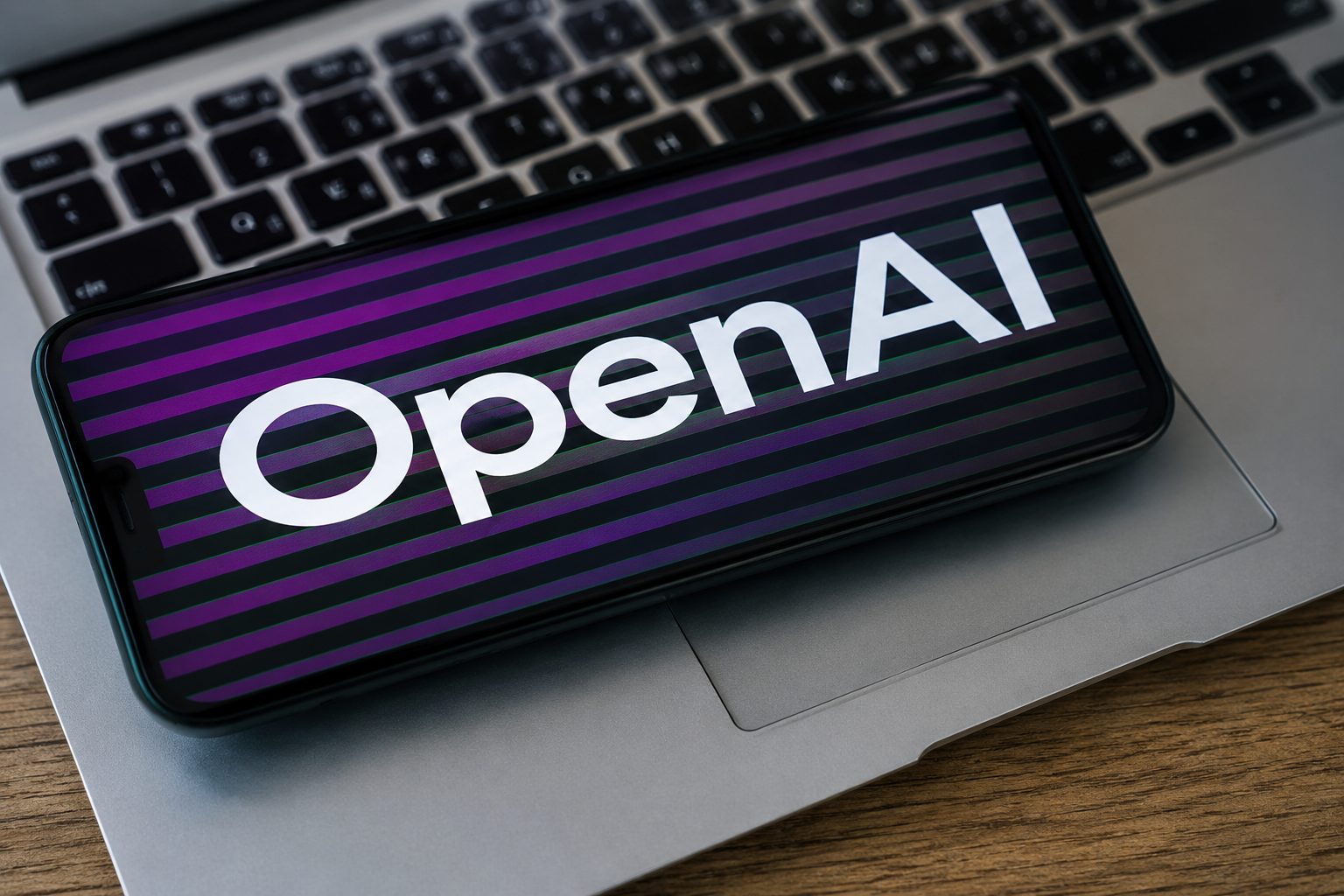
OpenAI, the company behind ChatGPT, is moving closer to a confidential IPO filing in the next few weeks, a source with knowledge of the plans told Reuters last month. The group has targeted a potential debut as soon as September. IPOX Vice President Kat Liu said Elon Musk’s lawsuit no longer stands in the way, calling it “a major obstacle to an IPO” now removed. Reuters
How investors look at one of the biggest tech IPOs in the pipeline may hinge less on growth and more on governance, thanks to the Washington policy fight. Reuters on Friday noted senior U.S. officials recently floated early-stage discussions with major AI firms over potential government equity stakes. Reuters added it couldn’t independently verify the NOTUS account.
This issue hits just as the market’s getting crowded. Reuters says Anthropic—the company behind Claude and a top OpenAI competitor—has gone ahead with a confidential U.S. IPO filing. That mechanism lets firms quietly submit paperwork to regulators before revealing their prospectus.
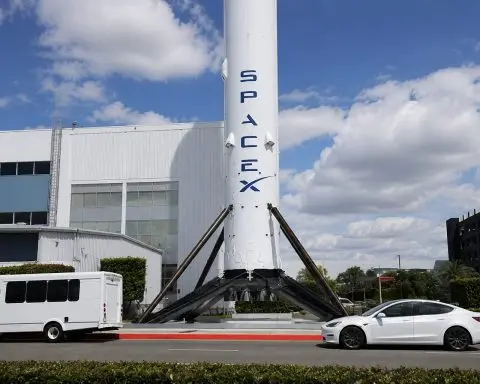
SpaceX is stepping up efforts for a stock-market listing, intensifying competition for both investor focus and funds. On Friday, the company announced a multi-year cloud partnership with Google, a deal that covers close to 110,000 Nvidia GPUs—the same chips essential for building and powering advanced AI models.
The scale of OpenAI is drawing attention. Back in March, the company announced it wrapped up a $122 billion funding round, setting its post-money valuation at $852 billion—private market, after the fresh capital. ChatGPT’s numbers? Over 900 million weekly active users, plus 50 million subscribers and counting.
OpenAI has put forward its own spin on public sharing. Back in April, the company outlined a Public Wealth Fund in a policy paper, aiming to extend the benefits of AI-fueled growth beyond traditional investors to ordinary citizens—even those with no market exposure. According to the paper, both policymakers and AI firms would need to work out the specifics of how to fund the initiative.
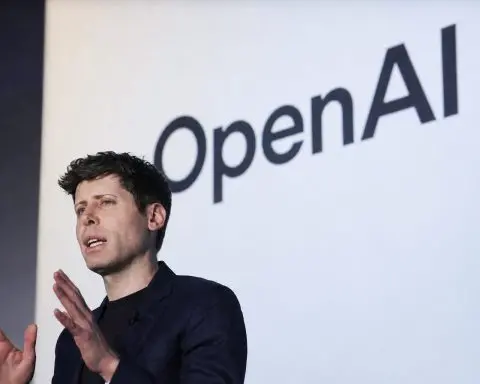
That proposal is pulling together some unlikely allies in Washington. According to AP, Altman sat down with Sen. Bernie Sanders this week, after Sanders floated the idea that the public should own half of companies like OpenAI. Sources familiar with their discussion said Altman was open to some form of public equity—but balked at Sanders’ call for a 50% stake.
Altman has attempted to address the anxiety. “This is a real change to society,” he told reporters earlier this week, AP reported. He noted that people might enjoy using AI, but concerns about what comes next persist. AP also said Sanders’ spokesperson Jeremy Slevin confirmed Altman hadn’t agreed to the senator’s key demands. AP News
Still, a government stake isn’t without complications. Nat Purser, senior policy advocate at Public Knowledge, pointed out to NOTUS that public ownership might turn the government into both a shareholder and a regulator—opening the door to “substantial conflicts of interest.” NOTUS
OpenAI’s latest hurdle: convincing investors that the debate around a public stake is just political chatter, not something that could dent its valuation. Competition isn’t letting up—Anthropic and Google are in the mix. At the same time, worries about AI’s energy demands, effects on jobs, and safety are no longer just policy side notes; they’re now part of the IPO narrative.