
WASHINGTON, June 5, 2026, 17:03 EDT
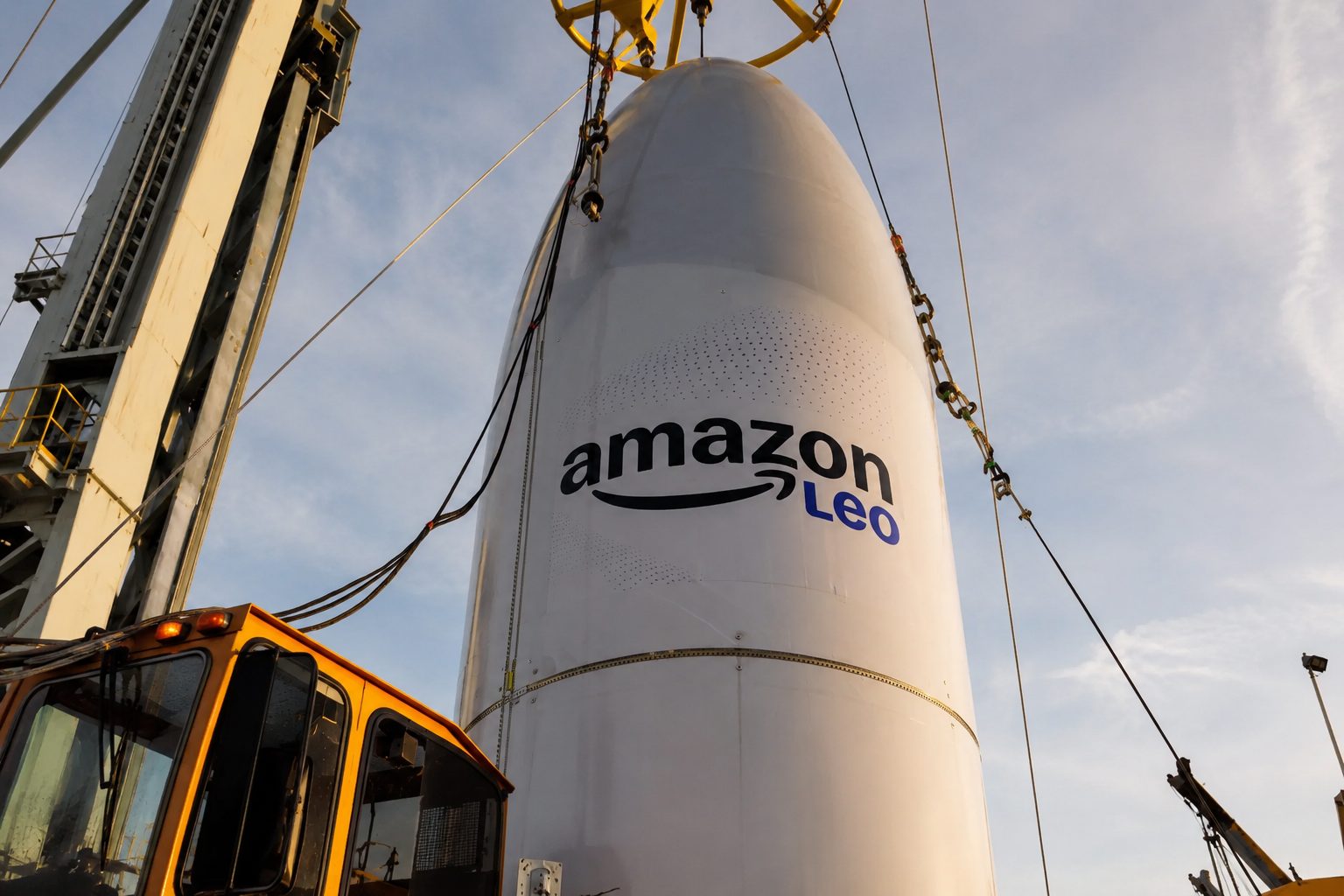
Amazon’s Leo satellite project got a partial pass from U.S. regulators on Friday, sidestepping a looming July deployment deadline. That move lets its low-Earth-orbit broadband ambitions keep breathing, even as SpaceX’s Starlink rapidly extends its constellation. But the decision throws a spotlight on a quieter issue for satellite operators: the question of whether ground data infrastructure can keep pace with the surge of new satellites in orbit.
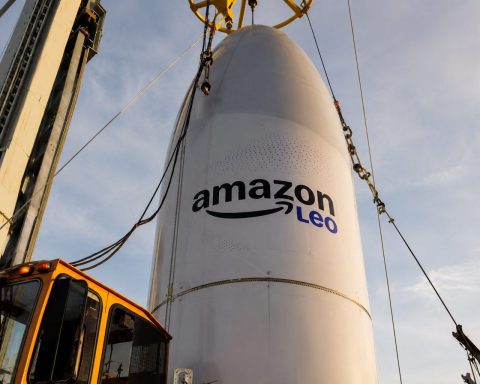
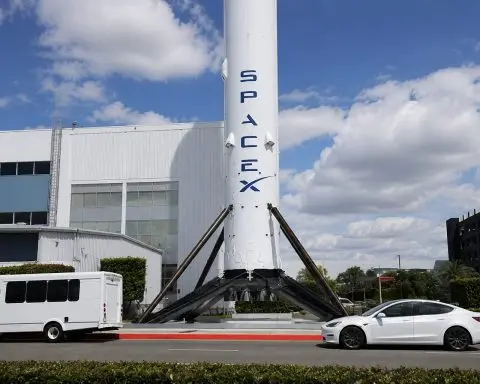
Timing’s key here. SpaceX launched 53 Starlink satellites in quick succession—two flights, less than 19 hours apart, June 3 and June 4. That move pushed its active Starlink constellation past 10,500 satellites, according to Space.com. Amazon, for its part, now counts more than 330 satellites in orbit for Leo after its latest Atlas V launch.
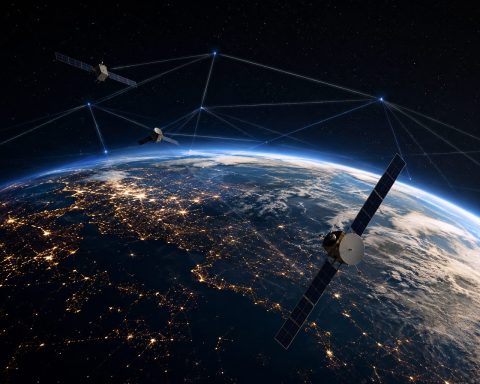
Every new spacecraft adds to the stream of telemetry — machine-health stats like power, temperature, orbit, payload status, and more. SpaceNews calls this mounting pileup a “cardinality wall”: basically, the amount of individual data streams and tags that ops software needs to watch is outpacing the capacity of current storage and analytics systems. LinkedIn
The FCC’s order, out Friday, spells it out: Amazon Leo Gen1 will need 1,616 satellites up by July 30, 2026, then double that—3,232—by July 30, 2029. Amazon, for its part, told regulators it was likely to hit just 700 satellites by the first deadline, landing well short of halfway.
The FCC’s Space Bureau chief, Jay A. Schwarz, approved the order—opting for a limited waiver instead of a full two-year extension. In the order, the bureau argued the waiver is in the public interest, saying it would “promote a second large satellite broadband constellation.” SpaceX, the bureau pointed out, remains the sole provider delivering LEO broadband to U.S. consumers at scale.
This isn’t just a hypothetical problem. Dima Anoshin, who handles space data and AI at Player One Space, says operators are “drowning in their own telemetry data” as satellite fleets scale from dozens to thousands. In his words, “space data engineering is no longer a niche concern — it’s a core operational discipline.” LinkedIn
Amazon faces an increasingly complex task both in space and on the ground. Leo’s mission is to extend internet coverage beyond current networks, and the company has already lined up over 100 launches. That brings a new set of headaches: every launch adds more satellites to track, more technical issues to untangle, and a growing archive of operational data to manage.
Starlink keeps its grip as the dominant player by scale, while Amazon stands out with the deepest pockets among rivals. Eutelsat’s OneWeb—still in the race—continues to build out its LEO network. In January, Eutelsat put in an order for 340 new OneWeb satellites from Airbus, according to Reuters, aiming to boost and upgrade its current fleet. The move highlights that running a constellation doesn’t wrap up when the first layer goes up.
The SpaceNews piece flags two possible remedies: splitting up telemetry pipelines to prevent a single bogged-down stream from dragging others, and switching to time-series-native setups—databases actually designed to handle rapid-fire, time-stamped machine output. These are back-end technical calls, but they directly influence how quickly operators can pick up on a bad battery, a thermal surge, or a collision warning.
Risks remain. The FCC stopped short of handing Amazon carte blanche: if satellites aren’t up and running by July 30, 2026, they’ll lose some priority status for a stretch, and missing that 50% deployment milestone means Amazon’s surety bond is on the line. Improved data systems won’t shield the company from launch holdups, spectrum disputes, or the risk that automated monitoring tools filter out context engineers need when faults actually hit.
Satellite operators and ground-segment suppliers, take note: The buzz may be around how often rockets go up, but there’s another story here. Reliable fleets depend as much—if not more—on the nuts and bolts behind the scenes: telemetry setups, anomaly detection, data retention policies, and systems smart enough to cut through thousands of alerts and act before a human even logs in.
This is where the LEO race pivots. The real constraint might soon be less about launching satellites, and more about making sense of them fast enough.