
NEW YORK, May 29, 2026, 14:02 EDT
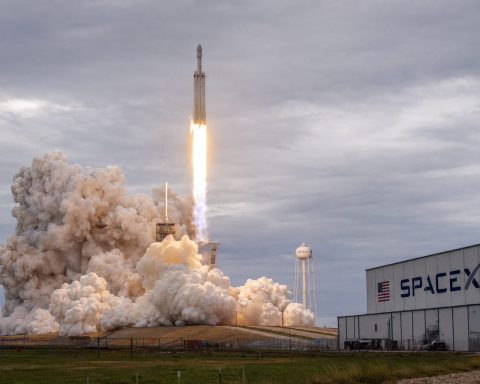
SpaceX is moving closer to its anticipated IPO, now with questions swirling over its valuation. On Friday, Bloomberg News reported that Elon Musk’s company is eyeing a minimum $1.8 trillion price tag for the offering—lower than previous reports that floated a $2 trillion-plus figure. Musk, however, pushed back on that claim in a post on X, Reuters noted.
The number is key: SpaceX has targeted a June 4 investor pitch and could set the price as early as June 11, according to Reuters. The filing puts first-quarter revenue at $4.69 billion, but also shows a $1.94 billion operating loss. Starlink turned a profit; the AI arm, though, sank $2.47 billion. Musk? He’d hold on to 85.1% of voting power. Georgetown’s Reena Aggarwal called it a classic “halo effect” around Musk, noting the lack of a direct peer group for comparison. Reuters
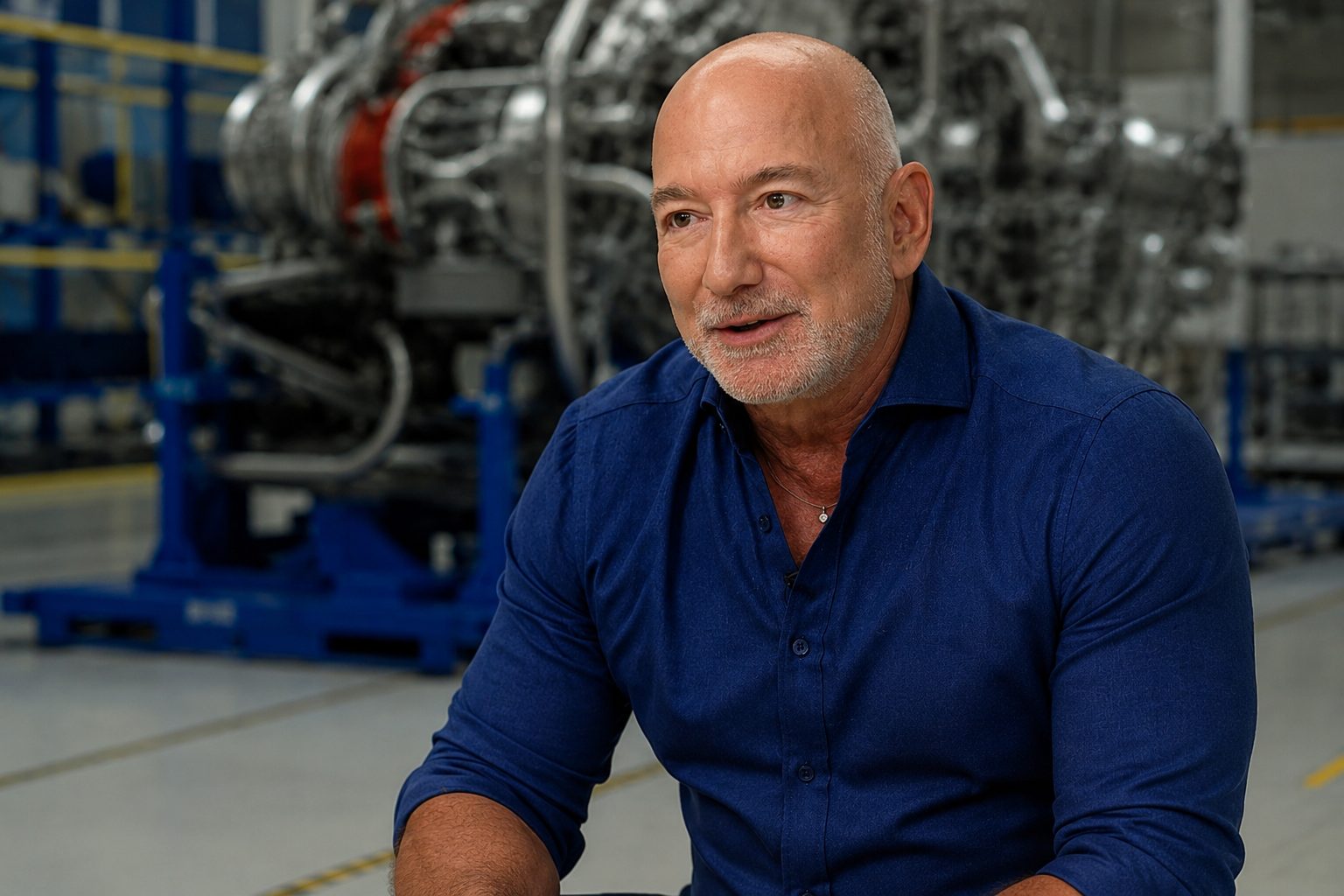
That’s why Jeff Bezos’s comments on CNBC still resonate. On May 20, Bezos, whose Blue Origin is a direct rival to SpaceX in the heavy rocket business, told CNBC he wasn’t familiar enough with SpaceX’s financials to say if $1.75 trillion or $2 trillion is justified. He did, however, call space “a gigantic industry.” Versant Press Room
The public market is getting its say on just how much of SpaceX’s future it’s willing to pay for now. If SpaceX draws robust demand, that price tag could become the benchmark for anything tied to private space assets, satellite broadband, or even orbital data centers—those still-nascent computing sites off-Earth—even if a lot of those markets haven’t materialized yet.
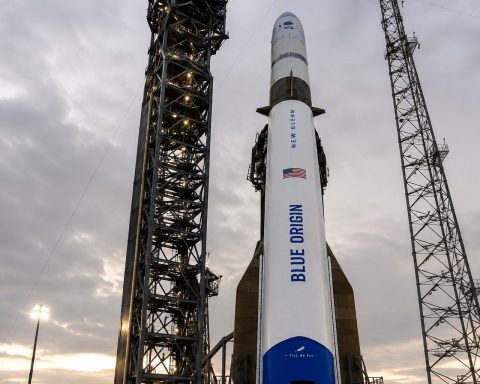
This week also underscored how swiftly sentiment can turn. On Thursday, Blue Origin’s uncrewed New Glenn rocket exploded in a hot-fire test at a Florida launchpad, according to Reuters. The company reported no injuries and said it had launched an investigation. Bezos described it as a “Very rough day.” NASA Administrator Jared Isaacman put it bluntly: “Spaceflight is unforgiving.” Reuters
Blue Origin readied the rocket for its fourth flight, aiming to send up 48 Amazon Leo satellites into low-Earth orbit—the same stretch of sky hosting many communications satellites—but according to Reuters, the satellites weren’t actually loaded. New Glenn is linked to NASA’s Artemis lunar program too, so this failure hits beyond just one test for Blue Origin.
SpaceX still faces execution risk. On May 22, its Starship V3 test sent up mock satellites and brought the craft down in the Indian Ocean. However, the Super Heavy booster missed its planned post-separation burn. Kathleen Curlee, research analyst at Georgetown’s Center for Security and Emerging Technology, described the mission as a “meaningful step forward,” though she pointed to “some anomalies.” Reuters
Space-related stocks lost ground quickly, with names like AST SpaceMobile and Rocket Lab slipping after news broke of a Blue Origin rocket explosion and reports that SpaceX had cut its valuation. Investors didn’t wait for SpaceX shares to hit the market. That’s according to .
Blue Origin stands to gain and lose from a SpaceX IPO. On one side, it could bolster Jeff Bezos’s claim that space is emerging as a major industry, attracting more investment—even to competitors. On the flip side, if SpaceX prices high and New Glenn stays grounded due to another investigation, the gap between the two companies will be hard to ignore.
SpaceX faces a starker choice: are investors treating it as an infrastructure heavyweight with a big satellite arm, or more as a founder-driven wager on rockets, AI, and unproven markets? Bookbuilding will offer the first clues.