
BATON ROUGE, May 18, 2026, 08:05 CDT
- Bill Cassidy landed in third place in Louisiana’s Republican Senate primary, which knocks him out of the June 27 runoff.
- Julia Letlow, who had Trump’s endorsement, pulled ahead of the pack. State Treasurer John Fleming secured the other runoff slot.
- Trump’s hold on Republican primaries comes under sharper scrutiny after the result, which also highlights the impact of Louisiana’s updated closed-primary rules.
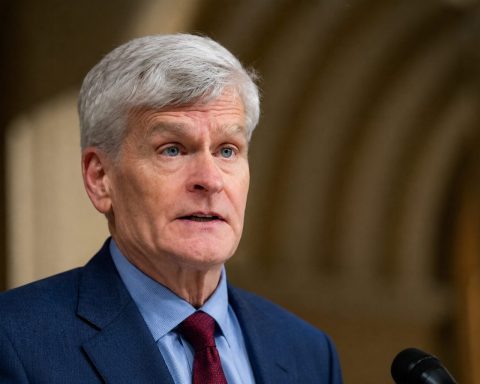
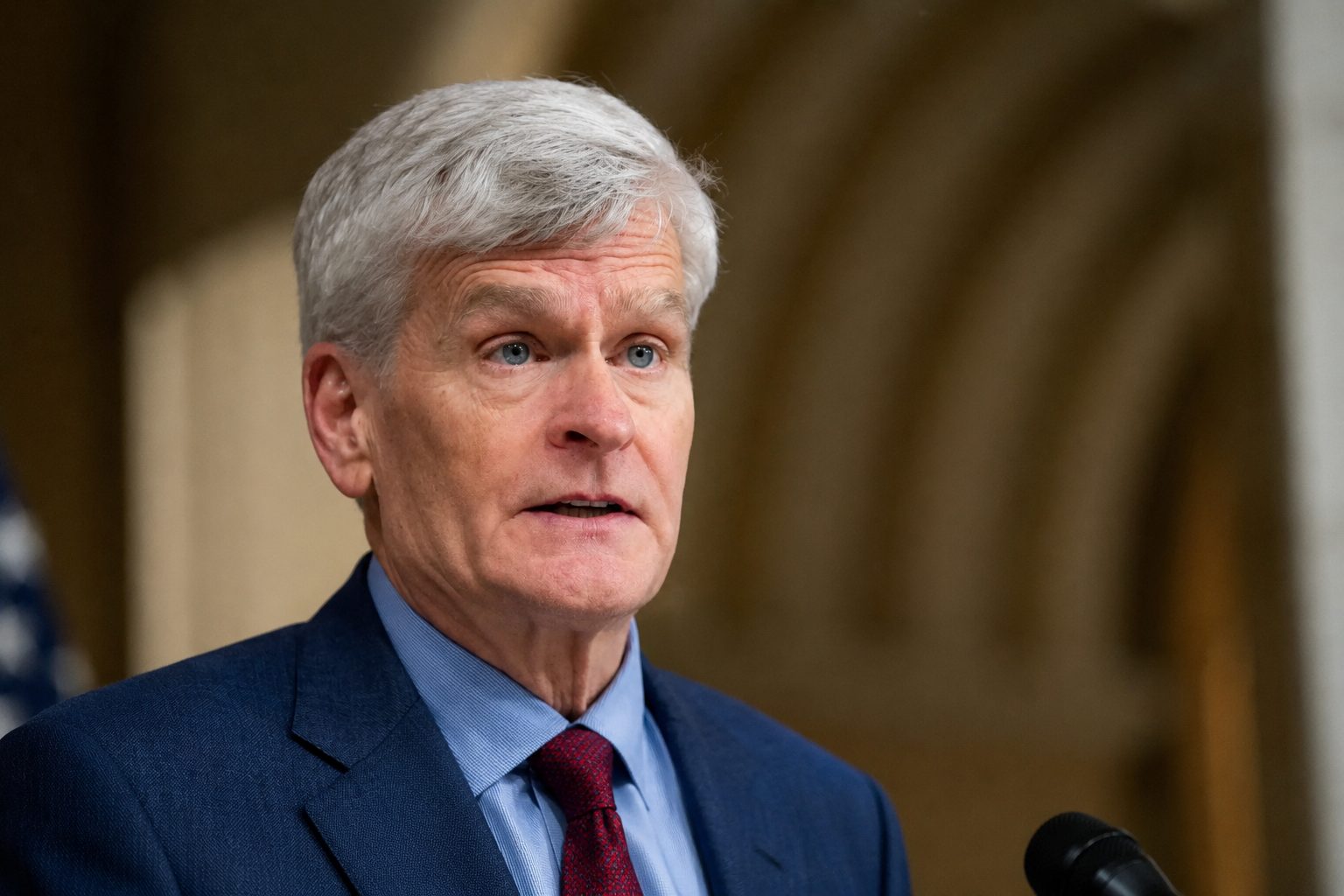
Republican Senator Bill Cassidy’s attempt at a third term fizzled in Louisiana, as he landed behind U.S. Representative Julia Letlow and state Treasurer John Fleming. With neither candidate clinching a majority, the contest heads to a June 27 runoff—Cassidy out of the picture. Letlow benefited from President Donald Trump’s backing, and Fleming’s conservative base edged Cassidy into third.
This one goes further than Louisiana’s borders. Cassidy stood out as a rare sitting GOP senator who voted to convict Trump during the 2021 impeachment. Now, with this loss, Trump chalks up yet another primary victory focused squarely on loyalty to his camp. Cassidy also becomes the first sitting senator knocked out in a primary since Indiana’s Richard Lugar back in 2012, according to ABC News.
There’s a timely Washington twist here. Cassidy heads up the Senate health committee, and according to Axios, his defeat could muddy the waters for the Trump administration as it works to install key health officials, including at the Food and Drug Administration, Centers for Disease Control and Prevention and the surgeon general’s office. Now a lame duck—meaning he’s still in office after a loss—Cassidy might feel less urgency to advance those nominations.
Letlow was pulling in roughly 45% of the vote, with Fleming trailing at 28% and Cassidy at 25%, according to numbers from the Louisiana secretary of state reported by Axios. Since no candidate cleared the majority threshold—over 50%—the top finishers are headed for a runoff.
Louisiana used a closed-party primary system for a U.S. Senate race for the first time, starting in 2026. Under these rules, voters typically pick only within their registered party, but those listed as “No Party” in Louisiana still get to select either a Democratic or Republican ballot. Whoever wins the closed-party primary—or a runoff, if it comes to that—moves on to the general election. Louisiana Secretary of State
The rule change itself stirred controversy. WWNO described confusion among voters on election day, after Louisiana abandoned its familiar “jungle primary” — where every candidate is listed on one ballot — and moved certain contests to a closed partisan primary format. LSU professor emeritus and political commentator Robert Mann said the legislature and Gov. Jeff Landry had put together a system “almost designed in a lab to discourage people from participating.” WWNO
Cassidy acknowledged defeat and didn’t dispute the outcome, telling his backers, “our country is not about one individual.” Louisiana State University’s Robert Hogan, a political science professor, told ABC News ahead of the vote that many Republicans still harbored a “visceral” resentment toward Cassidy for his impeachment stance. “The Republican activists have been unforgiving,” Hogan said. ABC News
Letlow heads to the runoff as the Trump-endorsed front-runner. Fleming, for his part, managed to advance even though the president decided to back a different Republican. The dynamic is playing out elsewhere, too—AP points out that Trump has set his sights on Kentucky Representative Thomas Massie, who’s up against a primary challenge after sparring with the president over spending, the Epstein records, and Iran.
The runoff isn’t a done deal. Letlow missed the majority mark. Fleming enters carrying a statewide office and just under 28% from round one. Louisiana officials also cautioned that turnout data could be delayed, since registrars have to process No Party voters’ ballots under the new rules. If the runoff electorate ends up smaller or less clear, it could shift the dynamics of the contest.
Cassidy’s campaign run comes to a close with the loss, but his work in the Senate continues. The physician, first elected to the chamber in 2014 after time in both the U.S. House and Louisiana state Senate, stays in his seat through the remainder of the term. The race now moves on to the Republican nominee, and eventually the general election winner in November.