
Espoo, Finland, May 18, 2026, 14:01 EEST
- Nokia shares climbed in Helsinki on Monday, following last week’s sharp AI-driven surge.
- Cisco bumping up its AI-order projection has shifted investor attention to networking hardware, not only semiconductors.
- Nokia wants to capture new business from the shift, aiming to land orders in broadband, optical networks, AI-RAN, and defense connectivity.
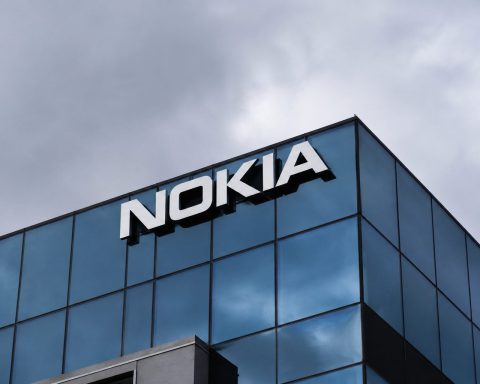
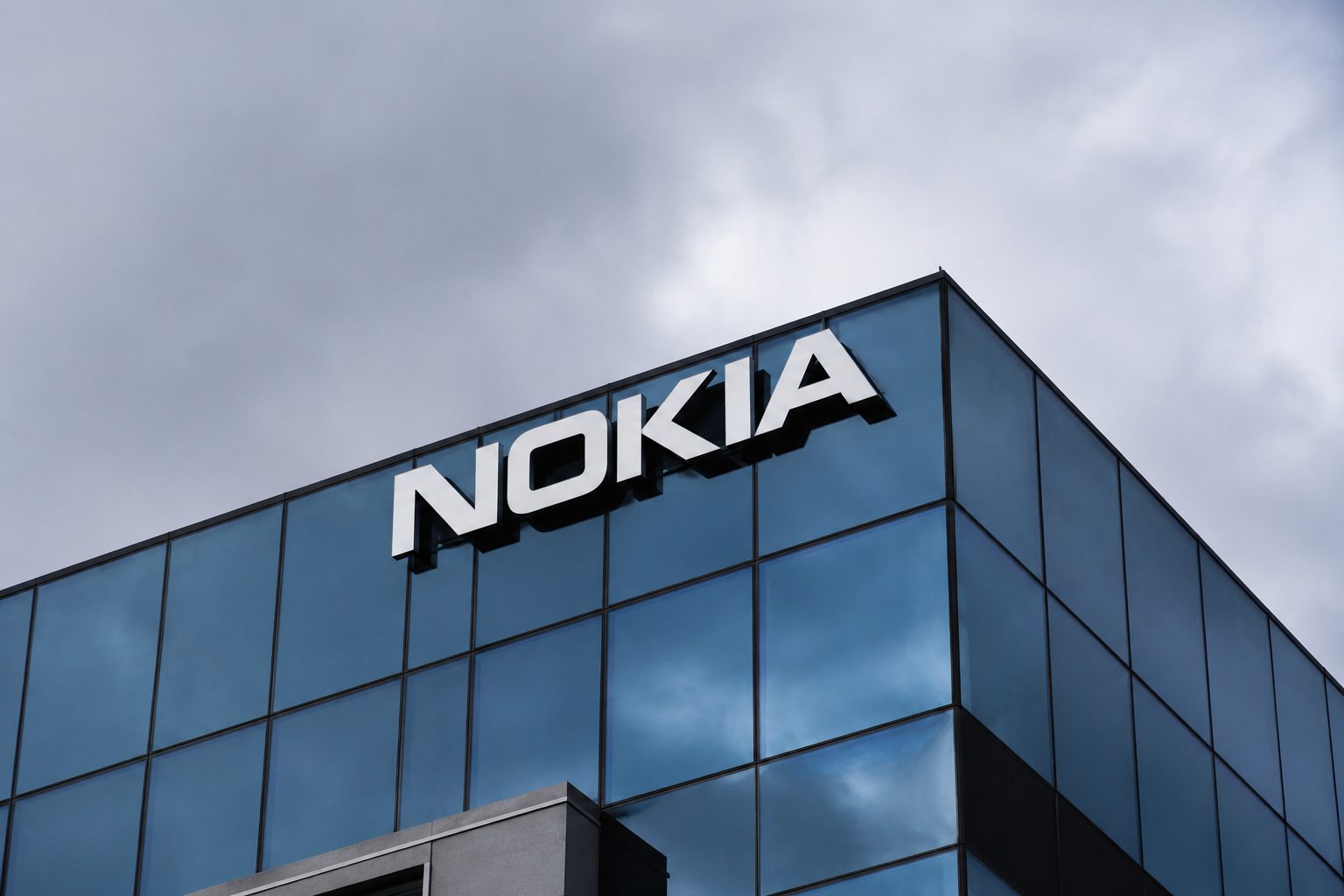
Nokia gained ground in Helsinki on Monday, with shares climbing 1.2% to 12.05 euros just ahead of the dateline. The Finnish network-gear supplier, still riding AI-infrastructure momentum, notched a fresh 52-week high earlier at 12.30 euros, according to Google Finance. A strong quarter from Cisco last week sent investors rotating back into networking stocks.
AI investments are no longer just about semiconductors—money is now flowing into the pipes that actually carry the data: think switches, routers, optical links, broadband. Cisco bumped up its fiscal 2026 forecast for AI infrastructure orders from hyperscale clients, now targeting $9 billion instead of $5 billion. That’s a pretty straightforward indication: big cloud players keep opening their wallets for network scaling.
The challenge for Nokia: can the wider AI investment wave deliver more consistent growth after a patchy stretch for telecom spending? Back in April, the company reported a 49% jump in first-quarter net sales from AI and cloud clients. That slice made up 8% of total sales, with orders hitting 1 billion euros. “Demand had accelerated significantly,” Chief Executive Justin Hotard said. Nokia Corporation | Nokia
Cisco turned in the standout numbers. The U.S. tech giant posted a record $15.8 billion in quarterly revenue, a 12% jump; product orders climbed 35%, and networking product orders surged past 50%. CEO Chuck Robbins described Cisco as “critical infrastructure for the AI era.” Cisco
The mood caught on quickly. Nokia shares surged over 7% Thursday, according to Investing.com, after Cisco’s quarterly numbers and guidance outpaced what analysts had penciled in. Barchart, in a Sunday note, said Nokia was up more than 10%—investors are rethinking networking suppliers linked to AI demand.
Nokia injected some of its own headlines into the mix. On May 12, the company announced it had rolled out agentic AI for home and broadband networks—technology built on insights from over 600 million broadband lines. Agentic AI, in this case, means software that can handle tasks and take steps with less hands-on direction from people.
Nokia rolled out new tools for telecom operators, aiming to streamline how they design, deploy, and manage fiber and Wi-Fi networks. The package features automated diagnostics and root-cause analysis. “The software can solve problems before the customer is even aware,” said Sandy Motley, president of Fixed Networks at Nokia. Nokia Corporation | Nokia
Grant Lenahan, partner and principal analyst at Appledore Research, spelled out the risks in numbers: “AI only works with quality data,” he said. According to Lenahan, vendors who actually know the domain and operate at real-world scale are more likely to deliver solid automation. Nokia Corporation | Nokia
The mobile-network thread remains key here. Back in October, Nvidia said it would put $1 billion into Nokia, tying up to develop AI-RAN gear—radio access networks that merge mobile-tech with AI power right at the network edge. T-Mobile, according to Nokia and Nvidia, has signed on for 2026 trial runs.
Nokia says it’s finished functional testing of AI and RAN workloads on Nvidia’s GPU-powered AI-RAN platform, working with T-Mobile, Indosat, and SoftBank. The list of operators eyeing the tech also includes BT, Elisa, NTT DOCOMO, and Vodafone. On the vendor side, Dell Technologies, Quanta, Red Hat, and Supermicro are all part of Nokia’s ecosystem—broadening server and software options for telecom operators.
Defense plays a smaller but notable role in the investor narrative here. According to The Motley Fool, Nokia’s AI-RAN efforts have ties to Anduril; the report points out that back in March, Nokia teamed up with Anduril and COBBS to boost Belgium’s counter-unmanned aerial system capabilities. The three also worked together on a 5G Comms Sentry Tower, tapping Nokia’s private 5G equipment. Counter-UAS refers to tech designed to spot, follow, or disrupt drones.
The rally could be getting ahead of itself, with little evidence to support its pace so far. Nokia flagged a handful of risks for Q1—competition, shifts in customer network spending, higher costs tied to the product roadmap, troubles sourcing semiconductors and ongoing supply chain snags. Over at Cisco, the company outlined a restructuring plan that comes with potential pre-tax charges up to $1 billion as it pivots resources into silicon, optics, security, and AI.
Nokia’s second-quarter numbers drop July 23, and that’ll be the moment of truth. Investors aren’t interested in AI buzzwords this time—they want to see hard orders, better margins, and proof that demand for optical, IP, broadband, and AI-RAN is actually hitting the income statement.